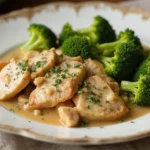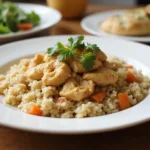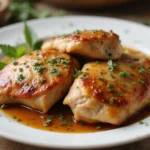
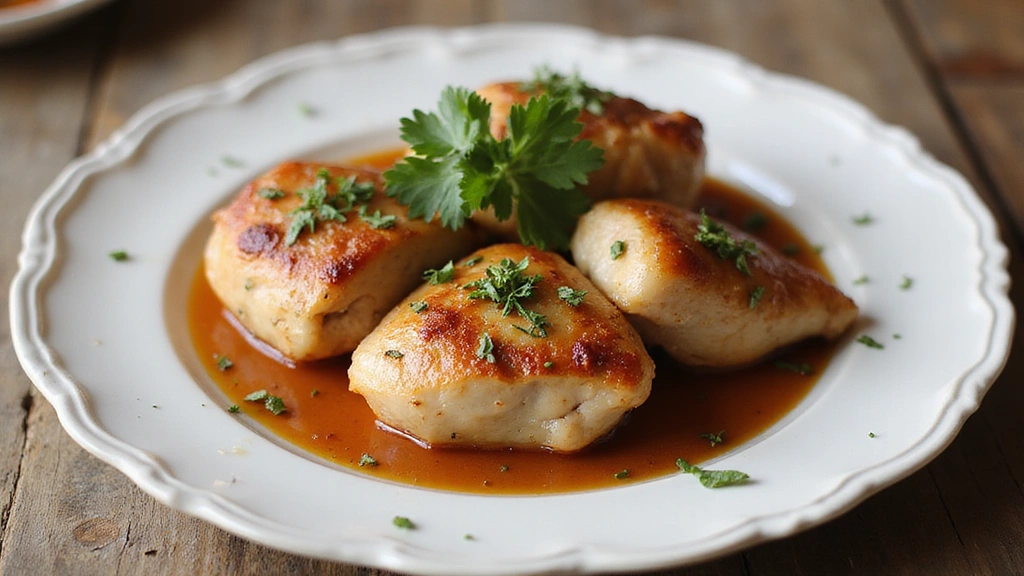
This Chicken Thigh recipe transforms a simple ingredient into a delightful dish that’s perfect for any weeknight dinner.
With its juicy, succulent meat and a variety of flavor profiles, it’s a family favorite that never goes out of style.
I first learned to appreciate the versatility of boneless skinless chicken thighs while experimenting in my kitchen during a busy workweek.
Whether baked, grilled, or sautéed, this dish offers endless possibilities that cater to all tastes and preferences.
The History and Cultural Significance
• Chicken Thigh Recipes Boneless Skinless Easy Dinner Ideas traces its origins to the home kitchens of many cultures, where chicken has been a staple protein for centuries.
• The dish evolved over decades as cooking methods became more accessible and the popularity of boneless cuts increased, eventually becoming the beloved version we know today.
• In many cultures, chicken is traditionally served during family gatherings and celebrations, symbolizing prosperity and togetherness.
• While many variations exist across different regions, the authentic version maintains the juiciness and tenderness that sets it apart from other cuts of chicken.
Recipe Overview
Nutritional Information (per serving)
Ingredients
Essential Equipment Guide
Cast Iron Skillet: This heavy-duty skillet retains heat exceptionally well, ensuring even cooking and perfect searing of the chicken thighs. While non-stick pans can be used, a cast iron skillet enhances flavor through the natural seasoning created during cooking.
Instant Read Thermometer: This tool is crucial for checking the internal temperature of the chicken, ensuring it reaches the safe minimum of 165°F. Alternatives like traditional thermometers can work, but instant read models provide quicker and more accurate readings.
Sharp Chef’s Knife: A high-quality knife is essential for efficiently trimming any excess fat or preparing the chicken. A dull knife can make the process cumbersome and may result in uneven pieces.
Preparation Methods
Marinating: Marinating chicken thighs allows the flavors to penetrate the meat, resulting in a juicier and more flavorful dish. Aim to marinate for at least 30 minutes, but longer (up to overnight) will yield even better results. Ensure to cover the chicken and refrigerate during this process to maintain food safety.
Searing: Searing the chicken in a hot skillet creates a lovely crust that locks in moisture and adds depth of flavor. Make sure the skillet is preheated properly before adding the chicken to achieve the best sear.
Resting: Allowing the chicken to rest after cooking is crucial for retaining juices. Cover the cooked chicken loosely with foil and let it sit for about 5 minutes before cutting into it.
Step 1: Prepare Marinade
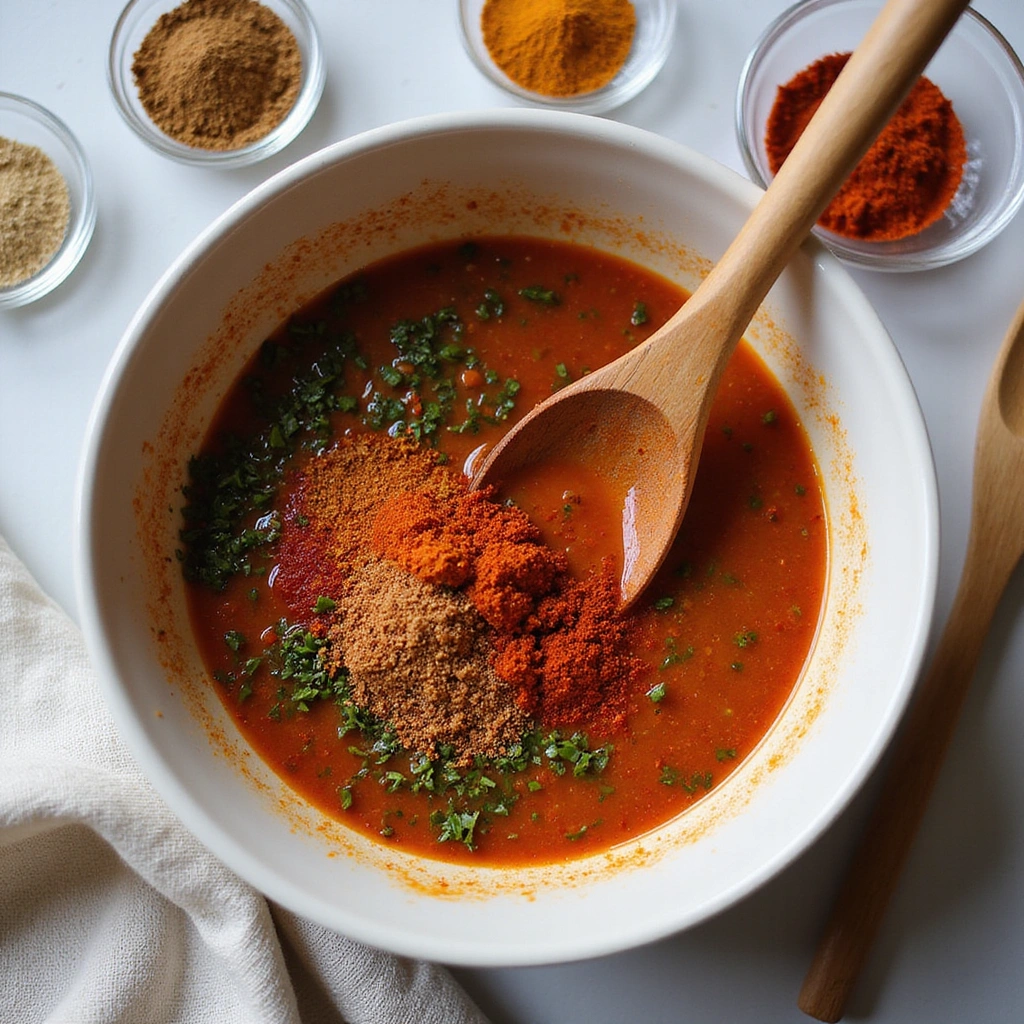
In a mixing bowl, combine olive oil, garlic powder, paprika, salt, and black pepper.
Whisk the ingredients together until well blended.
This step allows the spices to infuse the oil, enhancing the flavor.
Make sure there are no lumps for an even distribution of flavors.
Step 2: Marinate Chicken
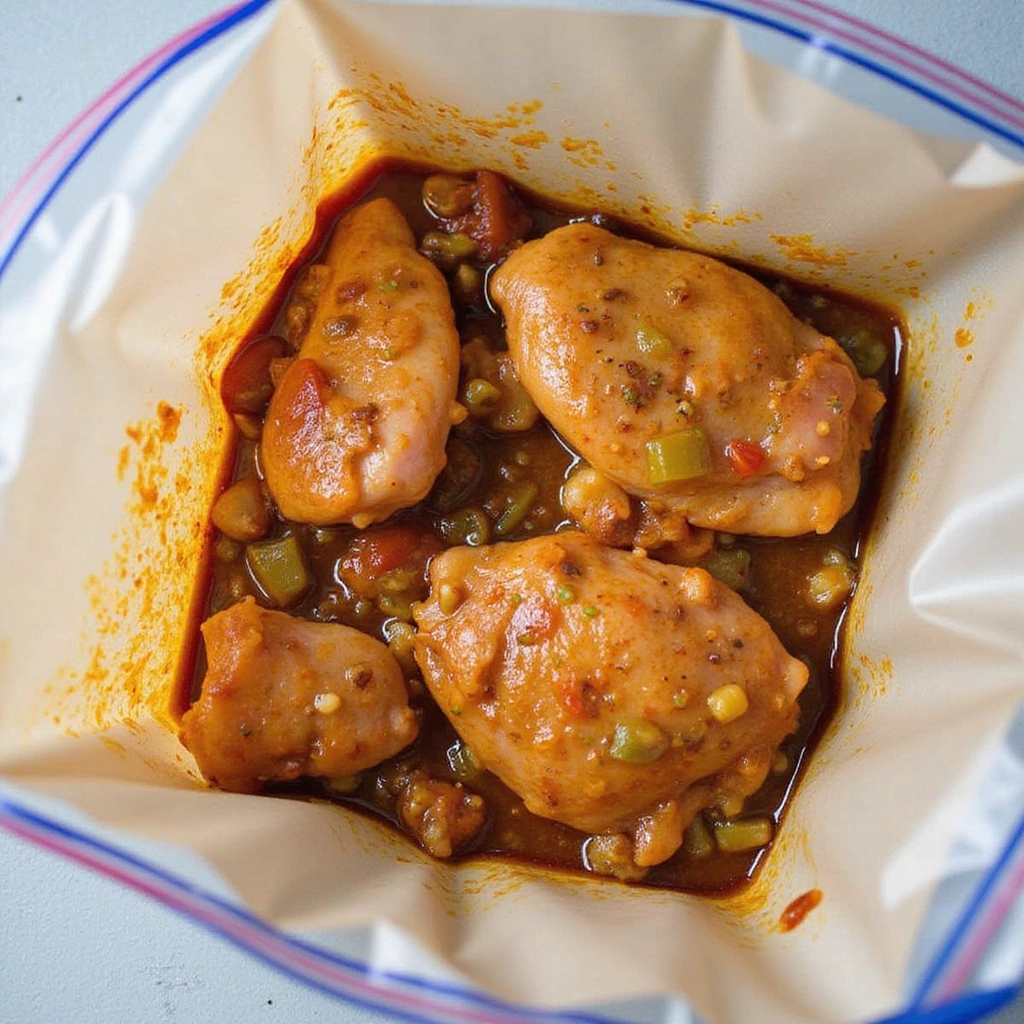
Place the trimmed chicken thighs in a resealable plastic bag or dish.
Pour the marinade over the chicken, ensuring each piece is thoroughly coated.
Seal the bag or cover the dish and place it in the refrigerator for at least 30 minutes.
This allows the flavors to penetrate the chicken, making it more delicious.
Step 3: Preheat Skillet
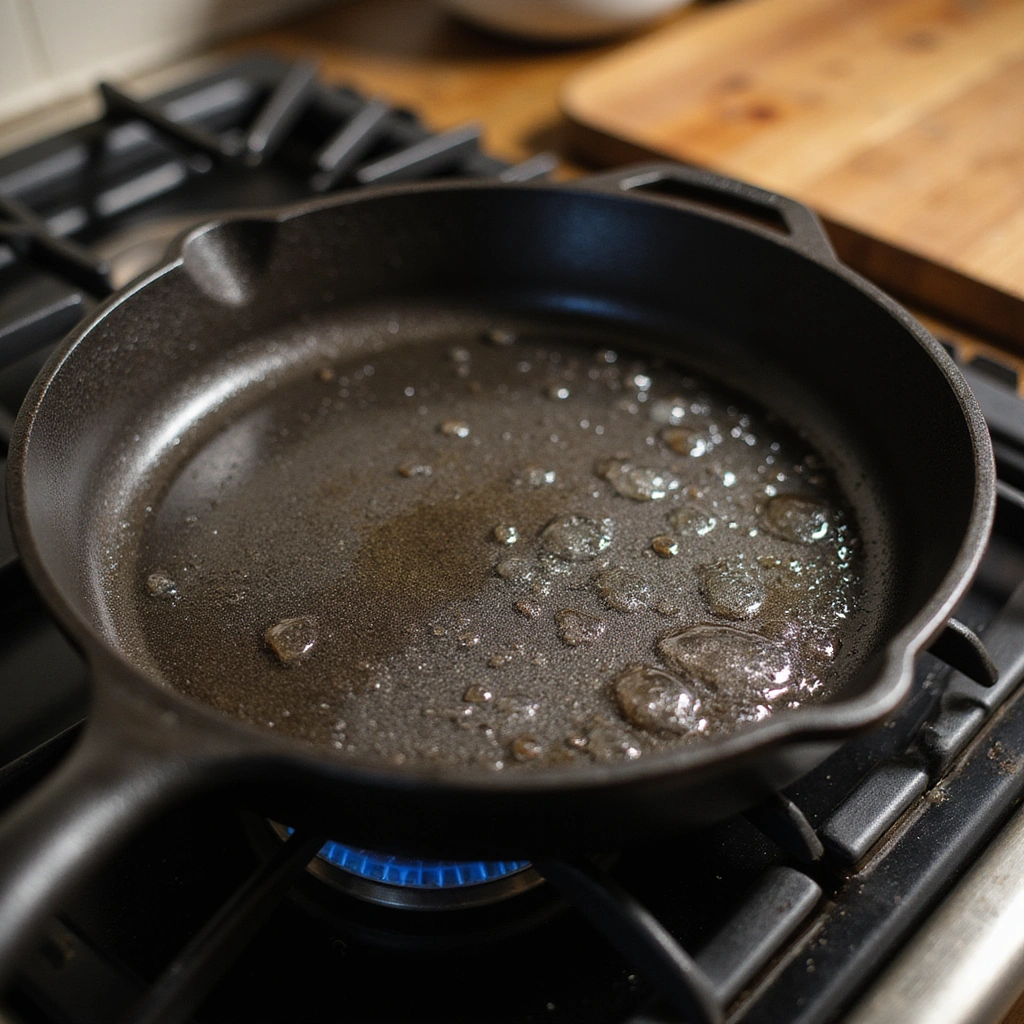
Place a cast iron skillet on the stove over medium-high heat.
Allow the skillet to heat for about 5 minutes until it’s hot but not smoking.
You’ll know it’s ready when a drop of water sizzles on contact.
Proper heat is essential for achieving a nice sear on the chicken.
Step 4: Sear Chicken
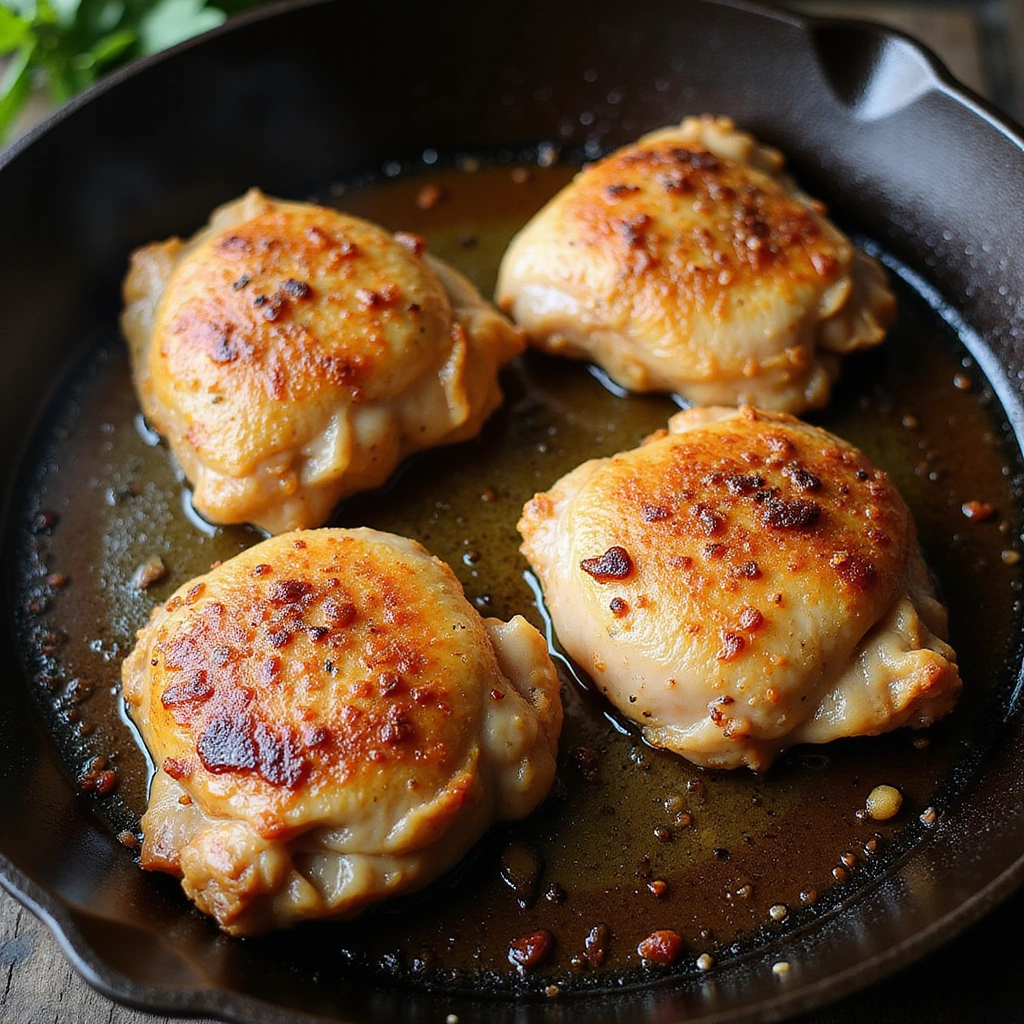
Remove the chicken from the marinade, letting excess liquid drip off.
Place the chicken thighs in the hot skillet, ensuring they are not overcrowded.
Sear for about 5-7 minutes on one side until golden brown.
This step creates a flavorful crust and locks in the moisture.
Step 5: Flip Chicken
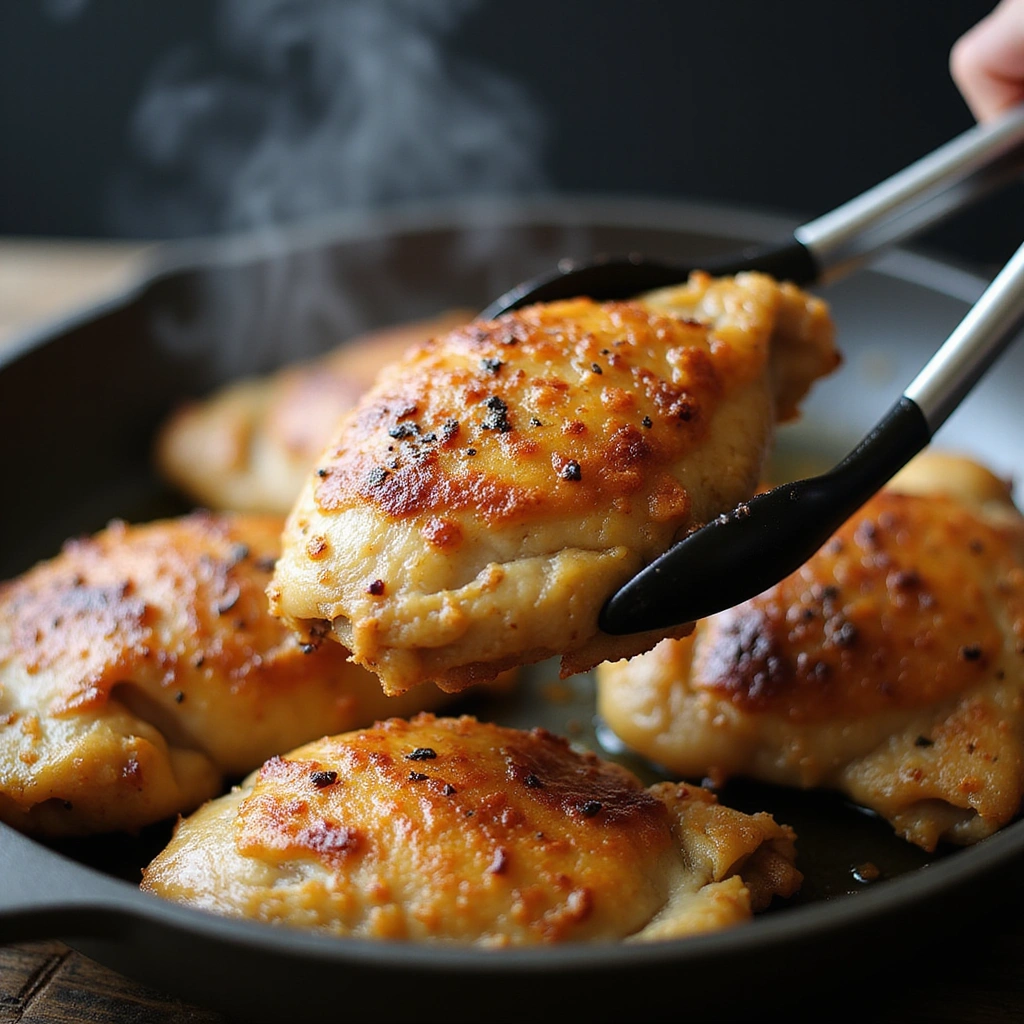
Carefully flip each chicken thigh using tongs to avoid splatter.
Cook for an additional 5-7 minutes on the other side until fully cooked.
Use an instant-read thermometer to check that the internal temperature reaches 165°F.
Proper flipping ensures even cooking and maintains the crust.
Step 6: Sauté Vegetables
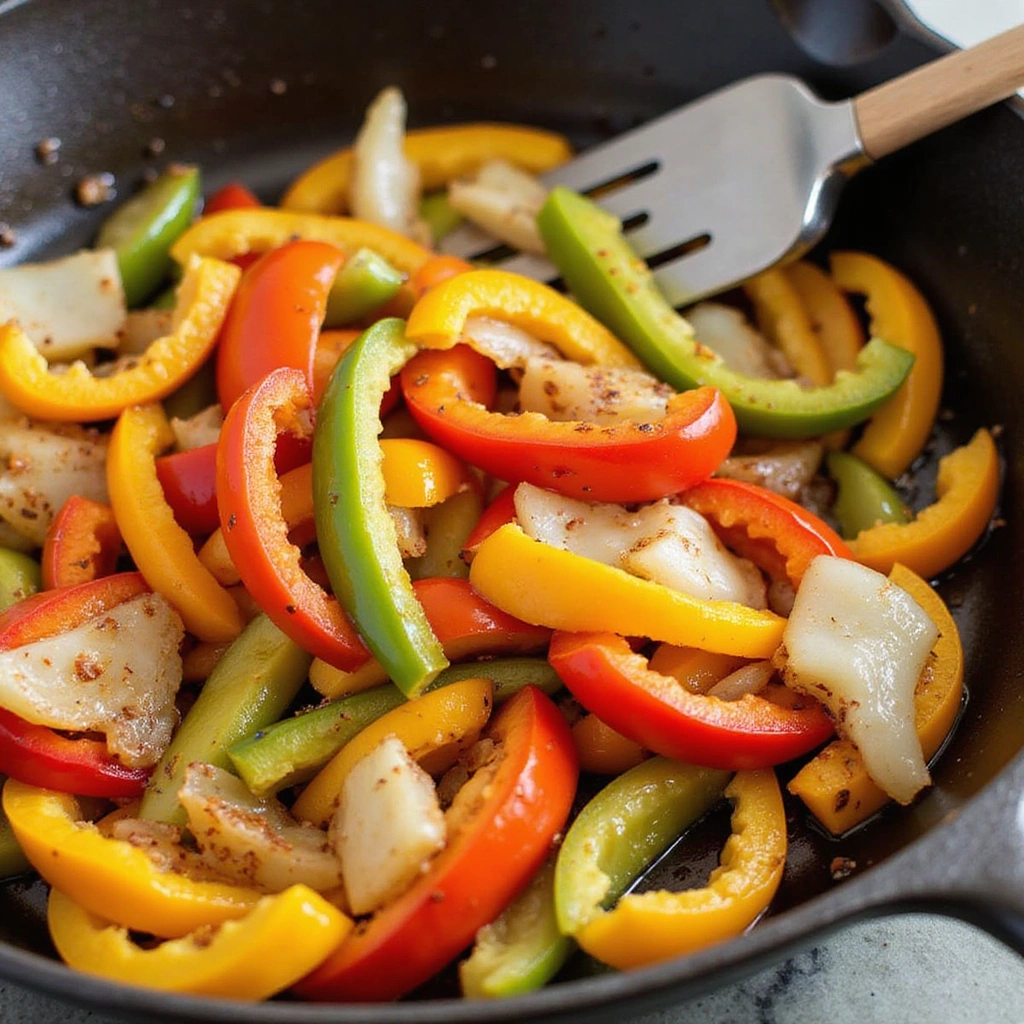
After removing the chicken from the skillet, add sliced bell peppers and onion to the remaining fat in the pan.
Sauté for about 5 minutes until they are tender and slightly caramelized.
Scrape up any browned bits from the bottom of the pan for added flavor.
This step enhances the dish with colorful and flavorful vegetables.
Step 7: Combine Chicken and Vegetables
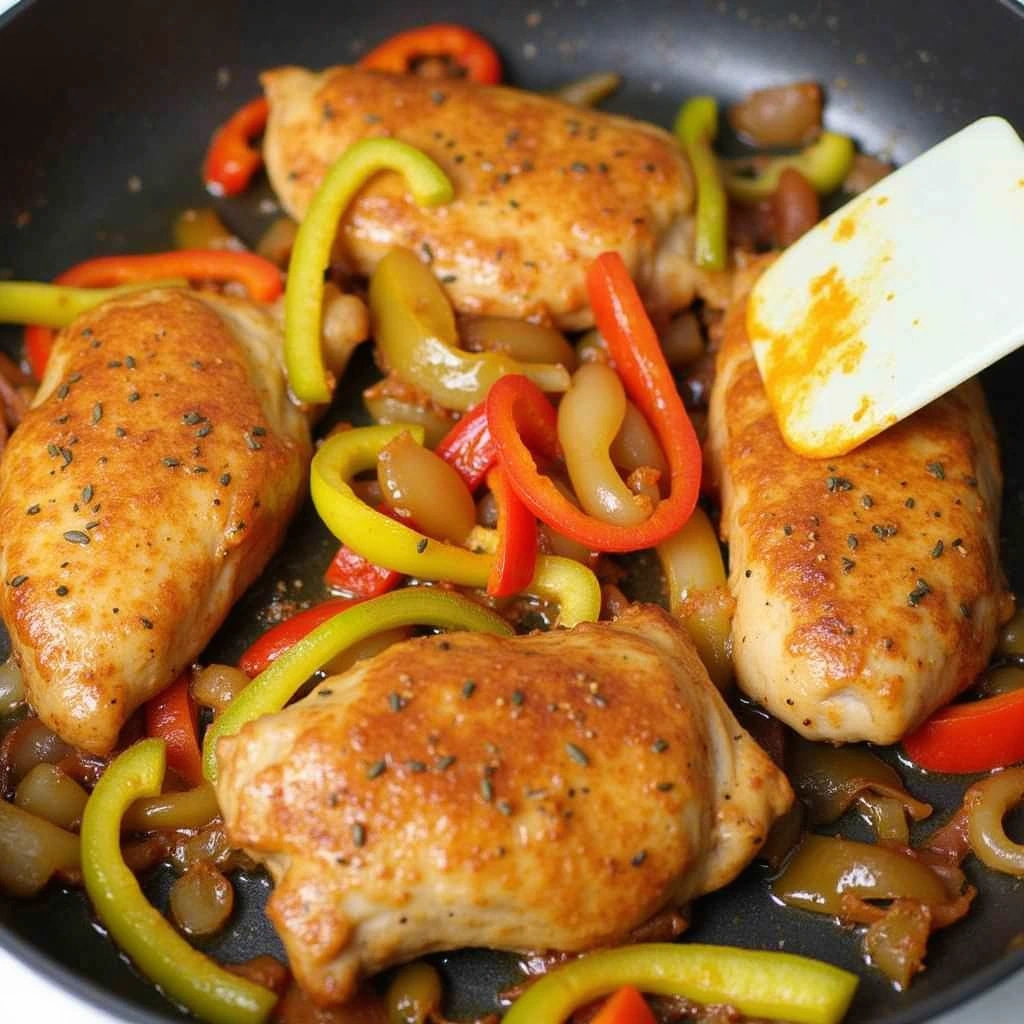
Return the seared chicken thighs to the skillet with the sautéed vegetables.
Toss everything together gently to combine the flavors.
Allow to heat for an additional 2-3 minutes.
This step melds the flavors of the chicken and veggies beautifully.
Step 8: Serve
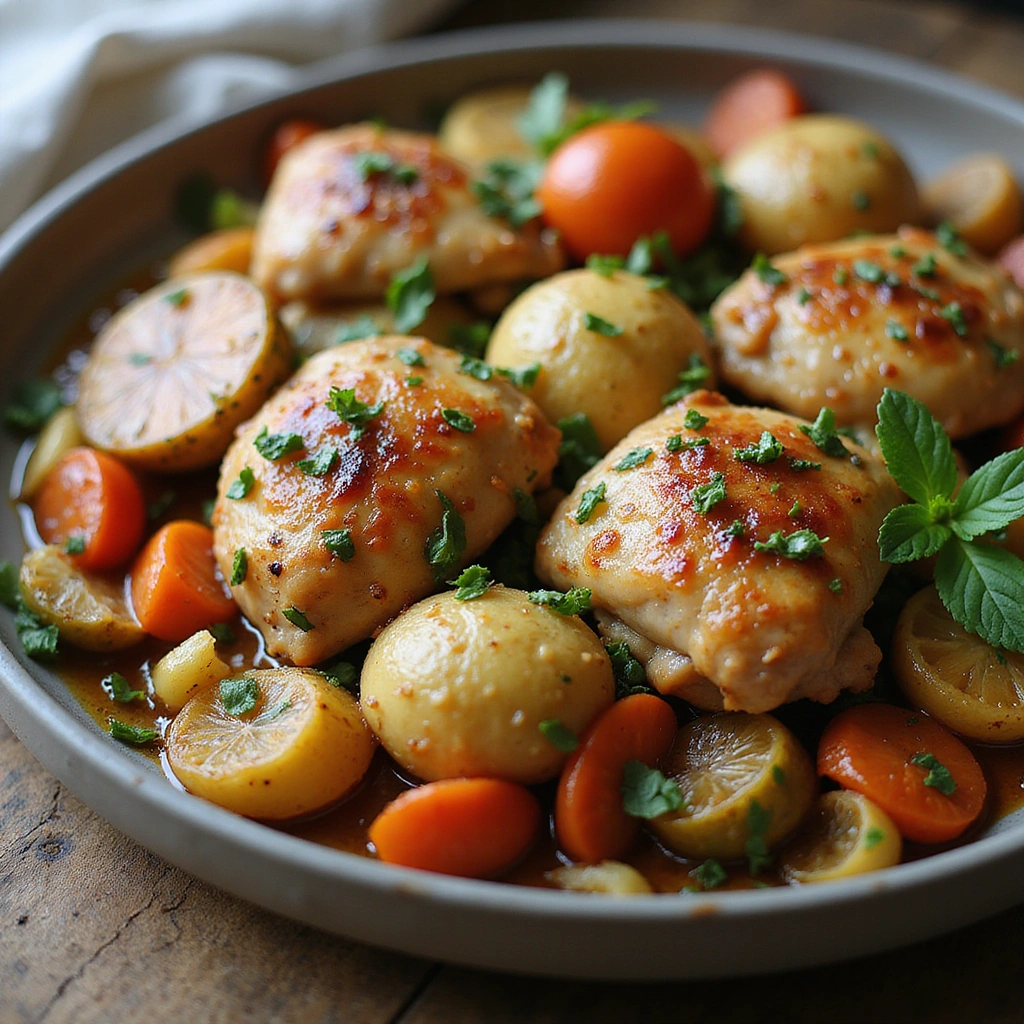
Transfer the chicken and vegetable mixture to a serving platter.
Garnish with fresh herbs like parsley or cilantro if desired.
Serve hot with your choice of side dishes.
This final presentation highlights the dish’s colorful and appetizing nature.
Critical Timing and Temperature Guide
Marinating Chicken: Ideal marination time is at least 30 minutes, but for deeper flavor, marinate overnight. Ensure the chicken is refrigerated during this time to maintain safety. Common mistake: Not marinating long enough, leading to bland chicken.
Searing Chicken: Cook for 5-7 minutes on each side, ensuring the skillet is hot to achieve a golden crust. Look for a crispy surface and avoid overcrowding the pan. Common mistake: Flipping too soon, which can tear the meat and prevent a good sear.
Checking Doneness: Use an instant-read thermometer to check that the internal temperature reaches 165°F. This ensures food safety and juiciness. Common mistake: Cutting into the chicken too early, which can result in loss of juices.
Pro Tips for Chicken Thigh Recipes Boneless Skinless Easy Dinner Ideas
• Ingredient Selection: Choose fresh, high-quality chicken thighs for the best flavor and tenderness. Look for thighs that are plump and have a nice sheen.
• Preparation Secret: Consider brining the chicken in a saltwater solution for an hour before marinating. This can significantly enhance moisture retention.
• Temperature Management: Allow chicken to come to room temperature before cooking for more even cooking. Cold chicken can lead to uneven searing.
• Texture Enhancement: For extra crispy skin, pat the chicken dry before marinating to remove excess moisture.
• Flavor Layering: Add a splash of lemon juice or vinegar to the marinade for a bright contrast to the rich chicken.
• Make-Ahead Strategies: Marinate chicken thighs a day in advance and store them in the refrigerator for maximum flavor.
• Restaurant-Quality Finishing Touches: Drizzle with a balsamic reduction or a squeeze of fresh lemon just before serving for added brightness.
• Equipment Optimization: Preheat your skillet adequately to ensure a good sear, which enhances flavor and texture.
Troubleshooting Common Issues
• Chicken Too Dry: This can happen if the chicken is overcooked or not marinated properly. To fix this, ensure you check the internal temperature and remove the chicken from heat at 165°F. Consider marinating for longer in the future.
• Flavors Too Bland: If the chicken lacks flavor, it might be due to insufficient marinating time or seasoning. Ensure to use enough salt and spices in the marinade and let it sit for at least 30 minutes.
• Uneven Cooking: This may occur if the chicken pieces are uneven in size. Always try to trim the chicken thighs to uniform thickness for consistent cooking.
• Sticking to the Pan: If the chicken sticks, the skillet might not be hot enough or not properly preheated. Always allow the pan to heat sufficiently before adding the chicken.
• Overcooked Vegetables: If veggies turn mushy, reduce cooking time and stir frequently. Aim for tender but crisp vegetables for the best texture.
Variations and Regional Differences
• Asian-Inspired Variation: Marinate chicken thighs in soy sauce, ginger, and sesame oil, then grill for a smoky flavor. Serve with stir-fried vegetables and rice for a complete meal.
• Mexican-Inspired Variation: Use a mix of cumin, chili powder, and lime juice for a zesty marinade. Serve with corn tortillas and fresh salsa for a delicious twist.
• Italian-Inspired Variation: Season chicken with Italian herbs like oregano and basil, and serve with marinara sauce and pasta. This adds an Italian flair to the dish.
• Modern Interpretations: Experiment with marinades that cater to current trends, such as using yogurt for a tangy, tenderizing effect or incorporating plant-based seasonings for a healthier twist.
Food Science Behind the Recipe
• Marinade Science: Marinades work by breaking down proteins in the chicken, making it more tender and flavorful. The acidic components help to infuse flavors deep into the meat.
• Maillard Reaction: This chemical reaction occurs when the chicken is seared, resulting in a delicious brown crust. It enhances both flavor and aroma, making the dish more appealing.
• Moisture Retention: Allowing the chicken to rest after cooking helps to redistribute moisture evenly throughout the meat, preventing dryness when cut.
Frequently Asked Questions
What’s the most common mistake people make when preparing Chicken Thighs? One common mistake is overcooking the chicken, which leads to dryness. Always monitor the internal temperature and remove from heat as soon as it reaches 165°F.
Can I prepare components of this dish in advance? Yes, you can marinate the chicken a day in advance and store it in the refrigerator. This enhances flavor and saves time during meal prep.
How do I adapt this recipe for dietary restrictions? For gluten-free options, ensure your marinade is free from soy sauce or other gluten-containing ingredients. Use tamari or coconut aminos instead.
What’s the best way to store and reheat leftovers? Store leftovers in an airtight container in the refrigerator for up to 3 days. Reheat in the oven at 350°F until warmed through to maintain moisture.
Can I freeze this dish? Yes, freeze the cooked chicken in an airtight container for up to 3 months. Thaw in the refrigerator before reheating.
What wine or beverages pair best with this dish? A crisp white wine like Sauvignon Blanc complements the savory flavors of the chicken and vegetables beautifully.
How can I scale this recipe up for a crowd? Simply multiply the ingredients by the number of servings needed. Ensure to cook in batches if your skillet cannot accommodate all the chicken at once.
What side dishes complement this recipe best? Consider serving with roasted potatoes or a fresh garden salad for a well-rounded meal.
How do professional chefs elevate this dish for restaurant service? Chefs often add unique garnishes, such as microgreens or edible flowers, and serve with a complementary sauce to enhance visual appeal.
Serving and Presentation Guide
• Traditional Presentation: Serve chicken thighs on a large platter with sautéed vegetables arranged artfully around them. Garnish with fresh herbs for a rustic look.
• Modern Plating Ideas: Use a white plate and stack the chicken thighs atop a bed of vegetables, drizzling with a balsamic glaze for an elegant touch.
• Accompaniment Suggestions: Serve with crusty bread for soaking up juices or a light salad to balance the richness of the chicken.
• Special Occasion Presentation: For celebrations, elevate the dish with a colorful side of quinoa salad and a light, herb-infused sauce drizzled over the chicken.
Conclusion
I hope this Chicken Thigh recipe inspires you to create a delicious and satisfying meal.
With simple ingredients and easy techniques, you can impress your family and friends.
Enjoy exploring the endless possibilities this versatile dish offers!