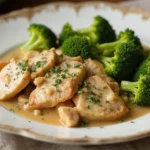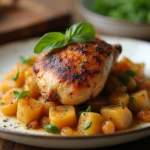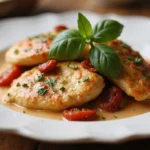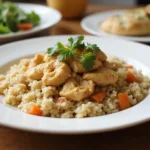
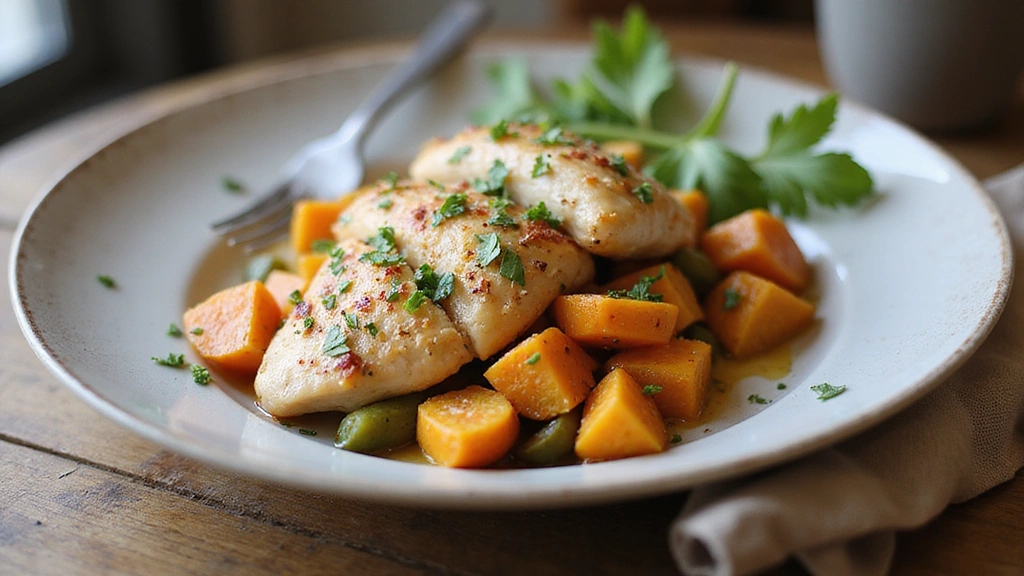
Chicken and butternut squash is a delightful combination that warms the heart and nourishes the body.
The sweet, nutty flavor of the squash beautifully complements the savory, juicy chicken, creating a perfect balance on your plate.
This dish is a staple during the fall season, when butternut squash is at its peak, making it a comforting choice for cozy family dinners.
Whether you’re looking for a nutritious weeknight meal or an impressive dish to serve guests, this recipe is both easy to prepare and full of flavor.
The History and Cultural Significance
• Chicken and butternut squash recipes trace their origins to North America, where both ingredients have been utilized by Native American tribes for centuries.
• The dish evolved over time as culinary techniques were influenced by European settlers, leading to various adaptations incorporating spices and herbs.
• In many American households, this dish traditionally appears during harvest festivals and Thanksgiving, symbolizing gratitude and abundance.
• While variations exist across different cultures, the authentic version maintains a hearty texture and comforting flavors that stand the test of time.
Recipe Overview
Nutritional Information (per serving)
Ingredients
Essential Equipment Guide
Cast Iron Skillet: This versatile pan is perfect for achieving a beautiful sear on the chicken while also being oven-safe for baking. Look for one with a smooth surface for even cooking and a sturdy handle for easy maneuvering.
Sharp Chef’s Knife: A sharp knife is crucial for safely and efficiently preparing your ingredients. A high-quality chef’s knife will make peeling and chopping the butternut squash an effortless task.
Meat Thermometer: This tool ensures your chicken is cooked to the perfect internal temperature, preventing dryness. Opt for an instant-read thermometer for quick and accurate results.
Preparation Methods
Peeling and Dicing Butternut Squash: Start by cutting off both ends of the squash to create a stable base. Then, using a vegetable peeler, carefully remove the skin, ensuring you get all the tough exterior. Cut the squash in half lengthwise, scoop out the seeds, and then dice it into even cubes for uniform cooking.
Searing Chicken: Heat your cast iron skillet over medium-high heat and add olive oil. Once hot, carefully place the chicken breasts in the skillet without overcrowding. Sear for about 5-7 minutes on each side until golden brown, which creates a flavorful crust while locking in moisture.
Cooking in the Oven: After searing, transfer the skillet to a preheated oven to finish cooking the chicken. This method allows for even cooking and helps maintain tenderness, ensuring the chicken reaches an internal temperature of 165°F for safety.
Step 1: Prepare Ingredients

Start by gathering all your ingredients on a clean countertop.
Wash and peel the butternut squash, then cut it into cubes.
Chop the onion and mince the garlic, setting everything aside for easy access during cooking.
Having everything prepped will make the cooking process smoother and more enjoyable.
Step 2: Preheat the Oven
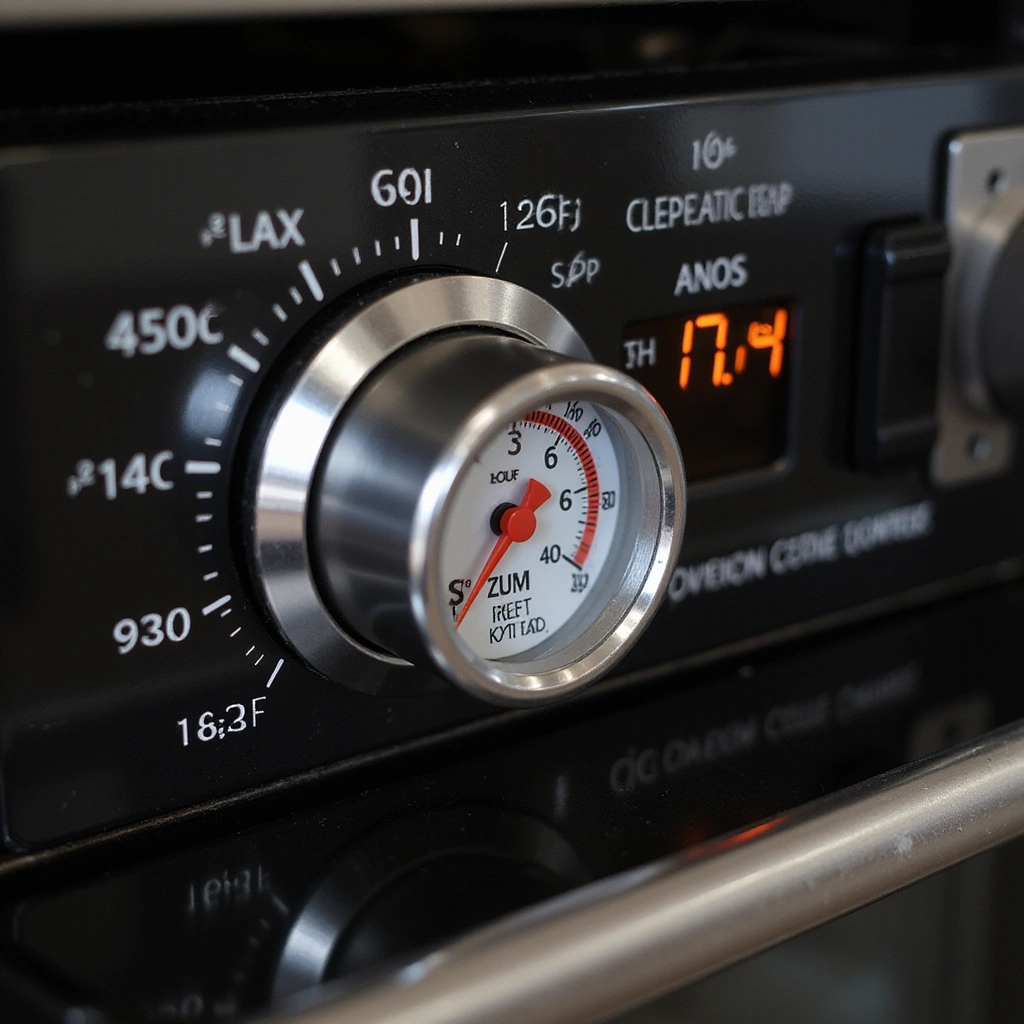
Before you start cooking, preheat your oven to 400°F (200°C).
This ensures that your chicken will cook evenly once it’s placed in the oven after searing.
Use an oven thermometer if necessary to confirm that the temperature is accurate.
Proper preheating is crucial for achieving the desired texture and doneness.
Step 3: Sear the Chicken
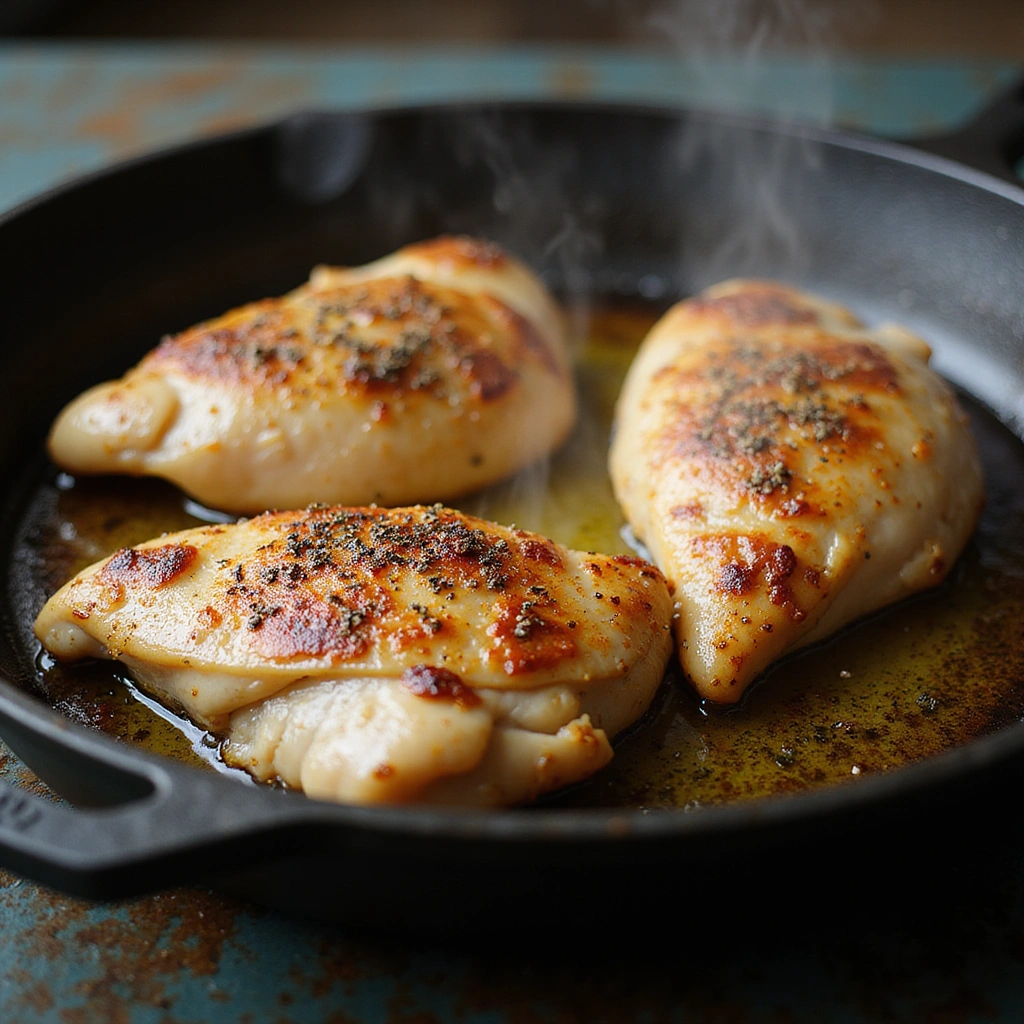
Heat a cast iron skillet over medium-high heat and add olive oil.
Once the oil is shimmering, place the chicken breasts in the skillet, making sure not to overcrowd.
Sear the chicken for about 5-7 minutes on each side until it develops a golden-brown crust.
This technique locks in moisture and enhances flavor.
Step 4: Remove Chicken and Add Vegetables

Once the chicken is seared, carefully remove it from the skillet and set it aside on a plate.
In the same skillet, add the chopped onion and garlic, stirring until they are fragrant and translucent.
This will infuse the pan with flavor, which will benefit the overall dish.
Make sure to scrape up any browned bits from the bottom of the skillet.
Step 5: Add Butternut Squash

Add the diced butternut squash to the skillet with the onions and garlic.
Mix well to coat the squash with the remaining oils and flavors in the pan.
Cook for about 5 minutes, stirring occasionally, until the squash begins to soften.
This step enhances the sweetness and adds depth to the dish.
Step 6: Season the Mixture
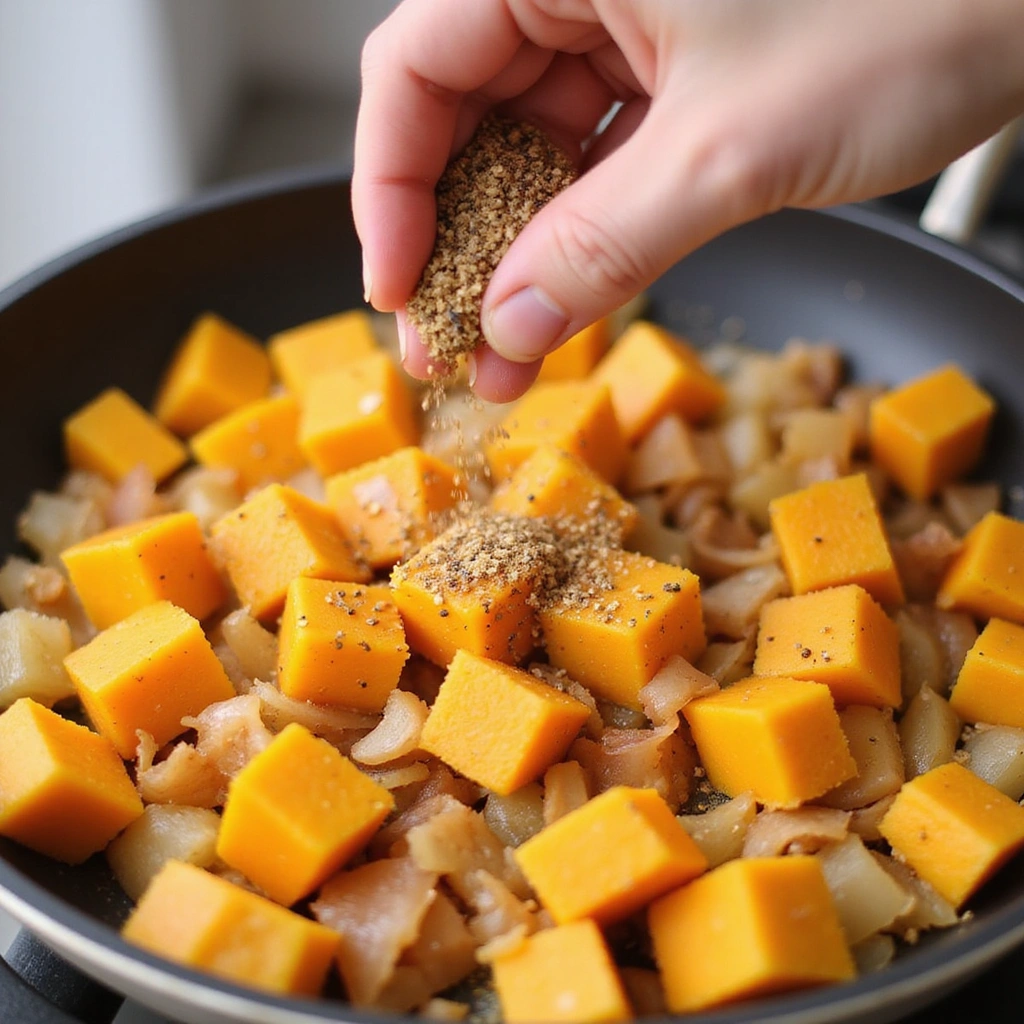
Sprinkle in the salt, black pepper, and cinnamon over the squash mixture.
Toss everything together to ensure even seasoning.
This layering of flavors is essential for a well-rounded dish.
Take a moment to taste and adjust seasoning if necessary.
Step 7: Return Chicken to Skillet
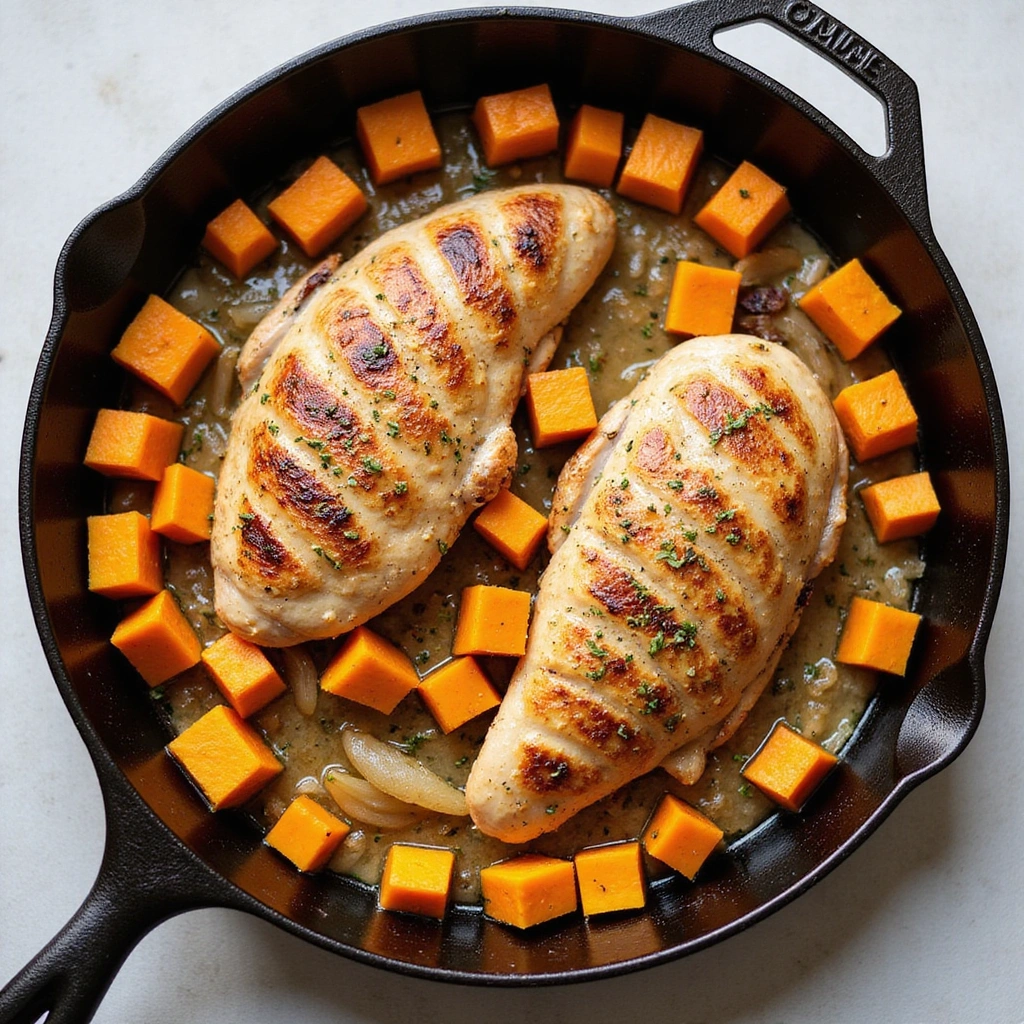
Nestle the seared chicken breasts back into the skillet among the vegetables.
Ensure the chicken is partially submerged in the mixture for optimal flavor absorption.
This will help the chicken stay moist while cooking in the oven.
Press down slightly to ensure even contact with the pan.
Step 8: Bake in the Oven

Transfer the skillet to the preheated oven and bake for 20-25 minutes.
Check for doneness by inserting a meat thermometer into the thickest part of the chicken.
It should read 165°F (75°C) to ensure safety.
Remove from the oven and let it rest for a few minutes before serving.
Step 9: Serve and Enjoy

Once rested, slice the chicken if desired and serve alongside the butternut squash mixture.
Garnish with fresh herbs like parsley or thyme for added color and flavor.
This dish is perfect on its own or served with a side of crusty bread or salad.
Enjoy the warmth and nourishment of this hearty meal with family and friends.
Critical Timing and Temperature Guide
Searing Chicken: Aim for 5-7 minutes per side over medium-high heat until golden brown. Look for a crust to form, and avoid moving the chicken too much during this time.
Baking Time: Bake for 20-25 minutes at 400°F (200°C). Check the internal temperature for doneness at 165°F (75°C) using a meat thermometer to avoid undercooked chicken.
Resting Time: Allow the chicken to rest for 5 minutes after baking. This helps retain juices, making for a more succulent dish.
Pro Tips for Chicken And Butternut Squash Recipes Nutritious And Easy
• Ingredient Selection: Choose a firm, heavy butternut squash for the best sweetness and texture. Look for chicken breasts that are plump and free from blemishes.
• Preparation Secret: Soaking the chicken in a simple brine of water and salt for 15-30 minutes before cooking can significantly enhance moisture and flavor.
• Temperature Management: Ensure your skillet is adequately preheated before adding the chicken to achieve a perfect sear, which seals in juices.
• Texture Enhancement: Incorporating a splash of chicken broth or white wine halfway through cooking can elevate the dish’s moisture and flavor.
• Flavor Layering: Adding a splash of apple cider vinegar or lemon juice at the end can brighten the dish and balance the sweetness of the squash.
• Make-Ahead Strategies: You can chop the vegetables and marinate the chicken a day in advance. Store them separately in airtight containers in the fridge.
• Restaurant-Quality Finishing Touches: Drizzle with a balsamic reduction or a sprinkle of feta cheese right before serving for an elevated touch.
• Equipment Optimization: Use a heavy-bottomed skillet to prevent hot spots and ensure even cooking.
Troubleshooting Common Issues
• Chicken is Dry: This can happen if it’s overcooked or not brined. Ensure you use a meat thermometer and brine the chicken beforehand for better moisture retention.
• Butternut Squash is Mushy: Overcooking can lead to mushy squash. Cook until just tender and remember that it will continue to cook in the oven.
• Flavors are Bland: If you find the dish lacks flavor, double-check seasoning before cooking and consider adding herbs or spices during the cooking process.
• Chicken Sticking to the Pan: Make sure the skillet is properly heated and oiled. Use a non-stick spray or additional oil if necessary.
• Uneven Cooking: For uniform cooking, ensure all pieces of chicken are roughly the same size and avoid overcrowding the pan during searing.
Variations and Regional Differences
• Southern Style: In the Southern United States, you might find this dish enhanced with spices like cayenne pepper and served with collard greens.
• Italian Influence: In Italy, a version might include herbs like rosemary and thyme, often served with a side of polenta.
• Vegan Variation: A plant-based version can substitute chicken with chickpeas or tofu and utilize vegetable broth instead of chicken stock.
• Modern Interpretations: Today, you might see this dish incorporating quinoa or farro for added texture and nutrition, reflecting current health trends.
Food Science Behind the Recipe
• Caramelization: The browning of the onions and chicken creates complex flavors through caramelization, enhancing sweetness and depth of flavor.
• Maillard Reaction: This reaction occurs during the searing of chicken, developing a savory crust that adds to the overall taste profile of the dish.
• Flavor Absorption: Cooking the chicken in the skillet with the vegetables allows it to absorb the flavors from the butternut squash and spices, creating a harmonious dish.
Frequently Asked Questions
What’s the most common mistake people make when preparing Chicken and Butternut Squash? Failing to properly season the chicken can lead to bland results. Always taste and adjust seasoning before cooking.
Can I prepare components of this dish in advance? Yes, you can chop the vegetables and marinate the chicken a day ahead. Store them in airtight containers in the fridge until ready to cook.
How do I adapt this recipe for dietary restrictions? For gluten-free, ensure all condiments and ingredients are certified gluten-free. For dairy-free, simply omit any dairy-based garnishes.
What’s the best way to store and reheat leftovers? Store leftovers in an airtight container in the fridge for up to 3 days. Reheat in the microwave or on the stovetop until warmed through.
Can I freeze this dish? Yes, you can freeze the chicken and squash mixture for up to 3 months. Thaw in the refrigerator overnight before reheating.
What wine or beverages pair best with this dish? A medium-bodied white wine, like Chardonnay, complements the dish’s flavors beautifully.
How can I scale this recipe up for a crowd? Simply multiply the ingredients by the number of servings needed. Ensure you have a large enough skillet or use multiple pans to maintain even cooking.
What side dishes complement this recipe best? A simple green salad or roasted Brussels sprouts pairs wonderfully with the richness of this dish.
How do professional chefs elevate this dish for restaurant service? Chefs often add a drizzle of high-quality olive oil or a sprinkle of fresh herbs right before serving to enhance visual appeal and flavor.
Serving and Presentation Guide
• Traditional Presentation: Serve the chicken and butternut squash in a rustic bowl, garnished with fresh herbs like parsley or thyme, for a homely feel.
• Modern Plating Ideas: Use a large white plate and arrange the chicken on one side, with a generous scoop of squash beside it. Drizzle with balsamic reduction for elegance.
• Accompaniment Suggestions: Pair with a light salad or crusty bread to complement the meal.
• Special Occasion Presentation: For celebrations, consider serving in individual ramekins with a sprinkle of microgreens on top for an upscale touch.
Conclusion
I hope you enjoy making this chicken and butternut squash recipe as much as I do.
It’s a comforting dish that brings warmth and nourishment to any table.
Give it a try and share it with loved ones for a delightful meal experience.