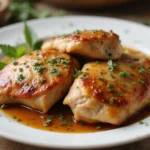

Chicken and egg noodles are the quintessential comfort food that warms both heart and soul.
This dish combines tender chicken with silky noodles in a savory broth that evokes a sense of home.
I remember my grandmother making this dish every Sunday, filling the kitchen with its inviting aroma.
Whether you’re feeling under the weather or simply in need of a cozy meal, chicken and egg noodles promise to deliver nourishment and satisfaction.
The History and Cultural Significance
• Chicken and egg noodle recipes trace their origins to Eastern Europe, where they were originally created by home cooks seeking comfort in simple ingredients.
• The dish evolved over decades as different regions adapted it, incorporating local spices and flavors.
• In many families, this dish traditionally appears at holiday gatherings and family reunions, symbolizing warmth and togetherness.
• While many variations exist across different cultures, the authentic version maintains a rich broth that sets it apart from imitations.
Recipe Overview
Nutritional Information (per serving)
Ingredients
Essential Equipment Guide
Soup Pot: A heavy-bottomed soup pot is crucial for achieving a rich flavor through even heat distribution. Look for one with a tight-fitting lid to retain moisture during cooking.
Colander: A sturdy colander is important for draining the cooked noodles efficiently without losing them. Choose one with a handle for easy maneuvering.
Wooden Spoon: A wooden spoon is ideal for stirring, as it won’t scratch your pot and allows for gentle mixing without breaking the noodles.
Preparation Methods
Simmering: This technique involves cooking ingredients in liquid at a low temperature. It’s essential for developing the flavors of the broth. Aim for a gentle simmer rather than a rolling boil, which can toughen the chicken.
Deglazing: After sautéing vegetables, adding a small amount of broth to the pot helps lift the browned bits from the bottom, enhancing flavor. Scrape the bottom of the pot while the liquid is simmering to incorporate those flavors into the dish.
Separating Chicken: After cooking, it’s important to let the chicken cool slightly before shredding. This method keeps the meat from becoming dry and allows for easier handling.
Step 1: Prepare Ingredients
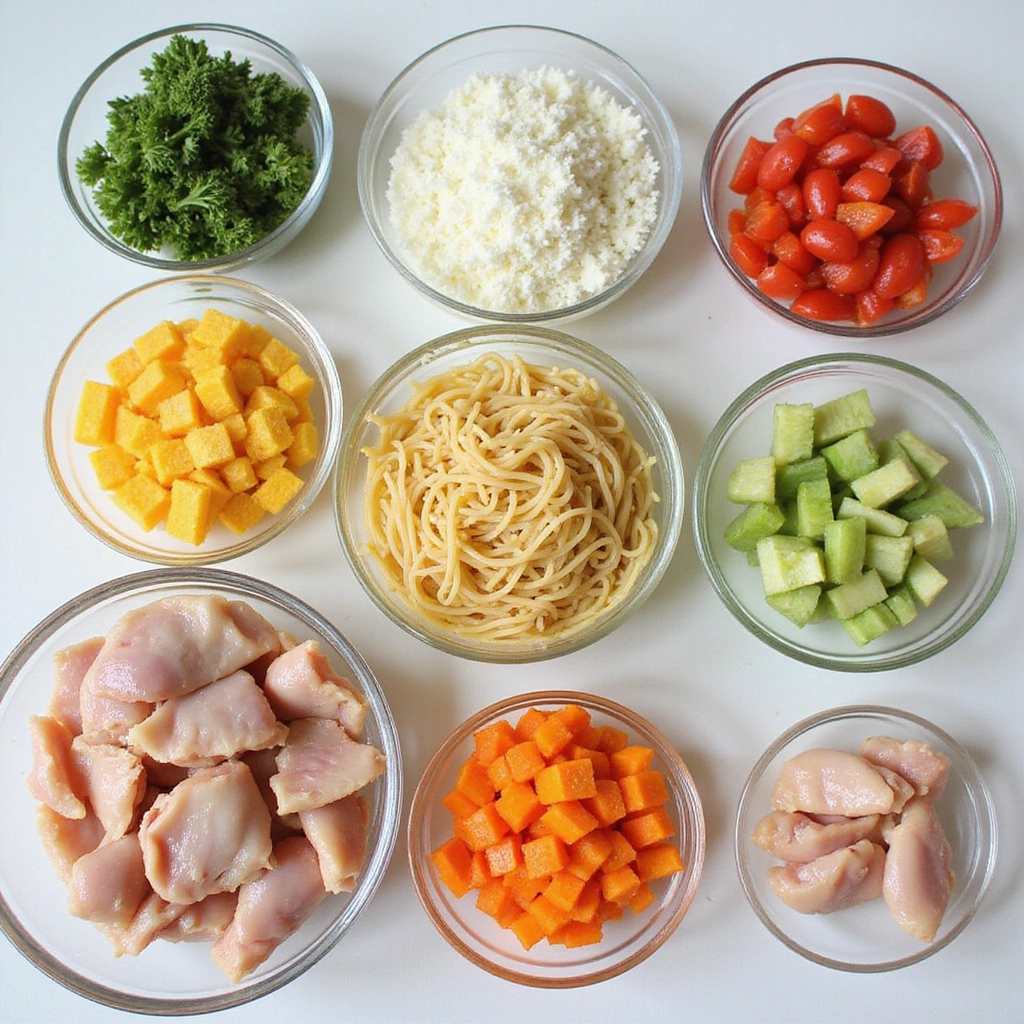
Begin by gathering all your ingredients on the counter.
This ensures you have everything you need within reach.
Chop the vegetables and set them aside for easy access during cooking.
Having prepped ingredients makes for a smoother cooking experience.
Step 2: Sauté Vegetables
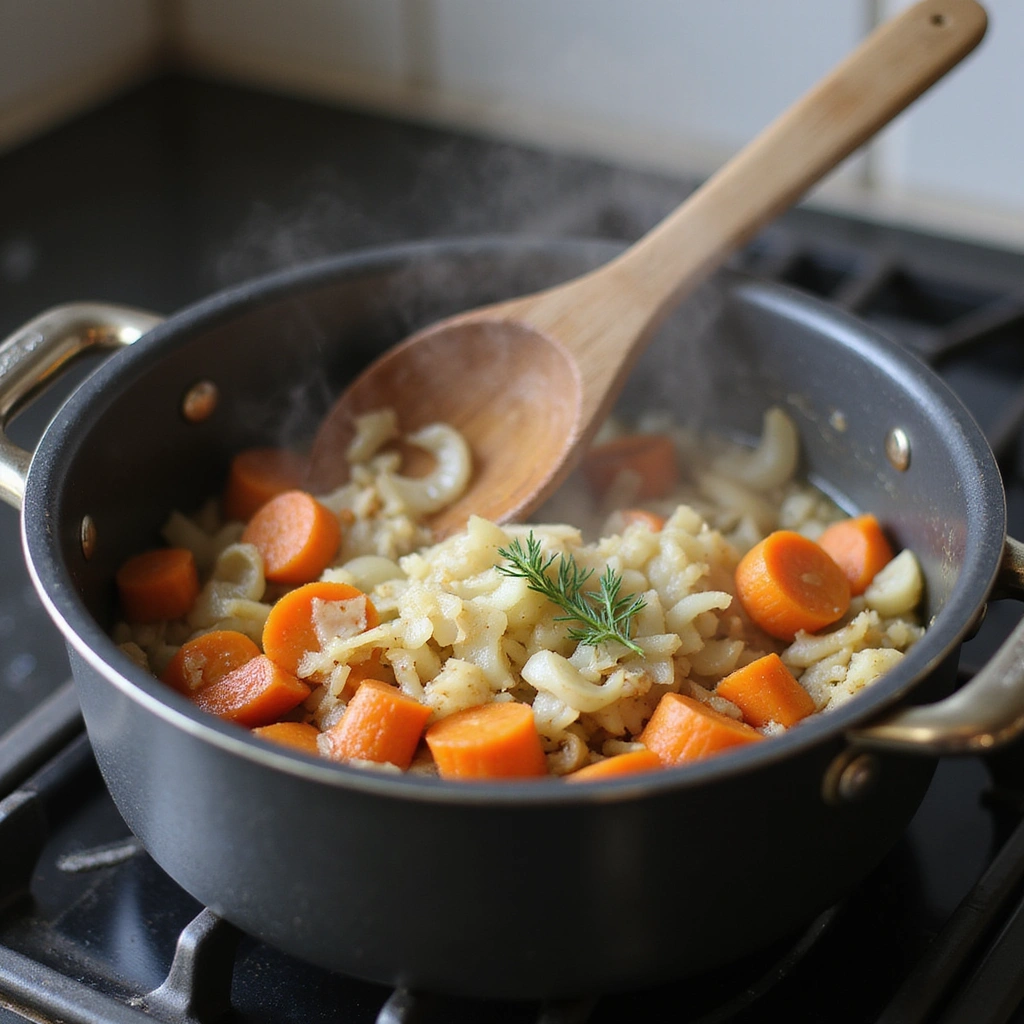
Heat a large soup pot over medium heat.
Add a drizzle of olive oil and let it heat up before adding the diced onion, sliced carrots, and minced garlic.
Sauté the vegetables until they become soft and fragrant, about 5 minutes.
Stir occasionally to prevent sticking and ensure even cooking.
Step 3: Add Chicken
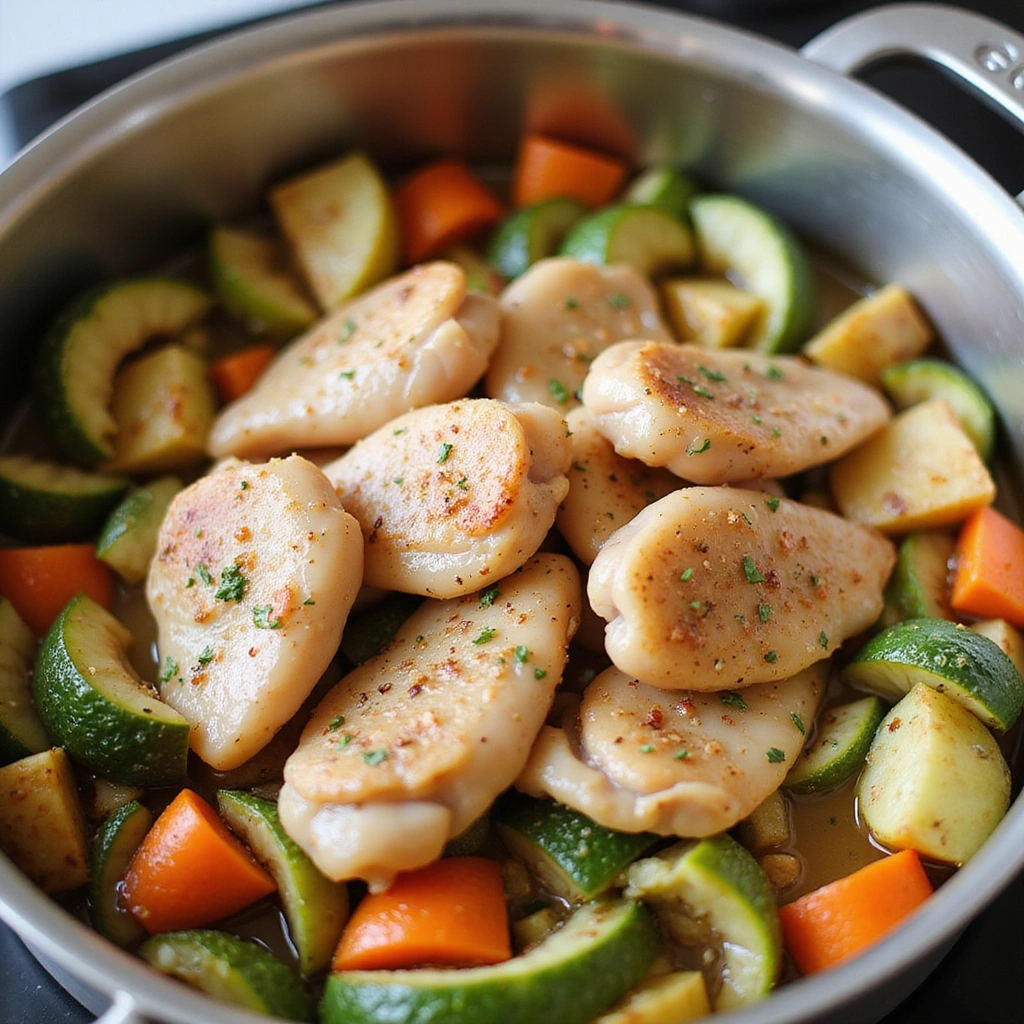
Once the vegetables are softened, add the chicken pieces to the pot.
Stir everything together to combine the flavors.
Cook for another 5 minutes to lightly brown the chicken on all sides.
This step enhances the overall taste of the broth.
Step 4: Pour in Broth
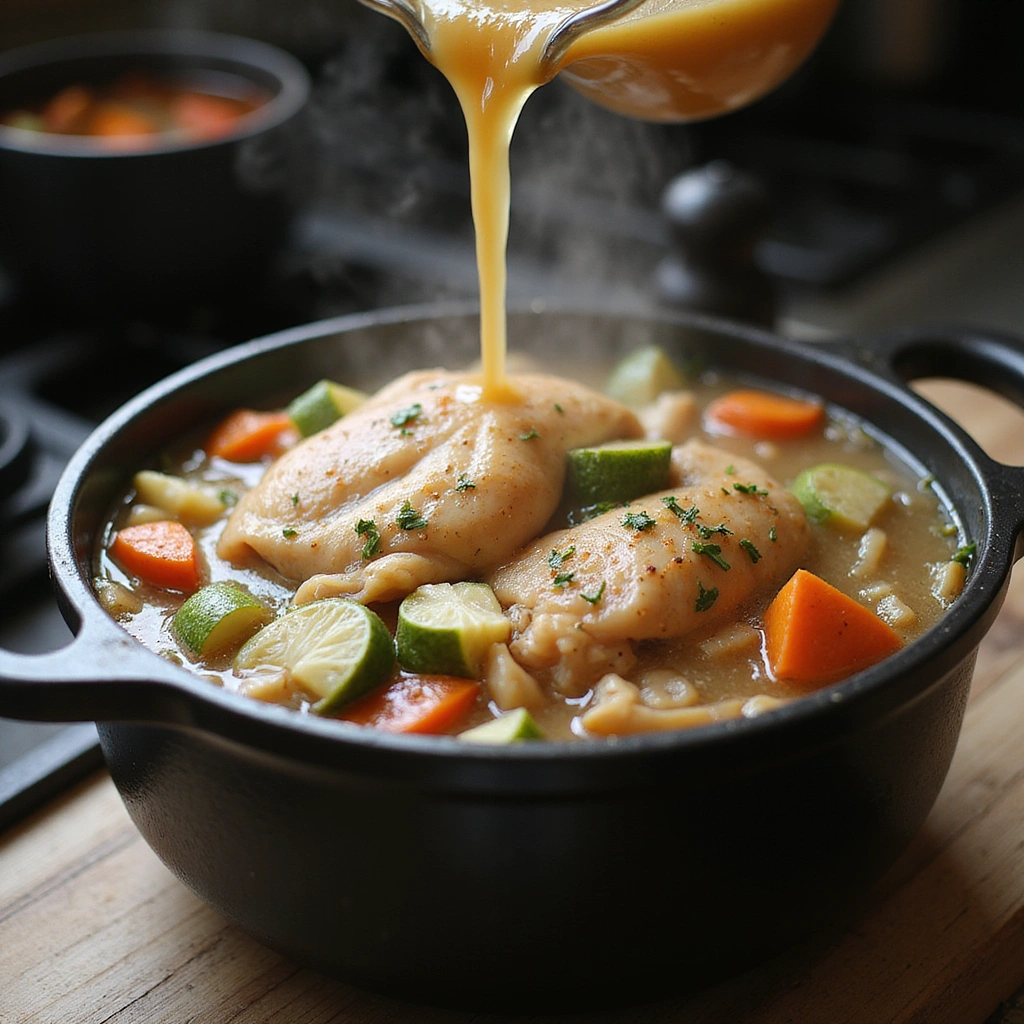
After the chicken has browned, pour in the chicken broth.
Make sure to scrape the bottom of the pot to deglaze any browned bits.
Bring the mixture to a gentle boil over high heat.
This will help infuse the broth with all the flavors developed so far.
Step 5: Simmer the Broth
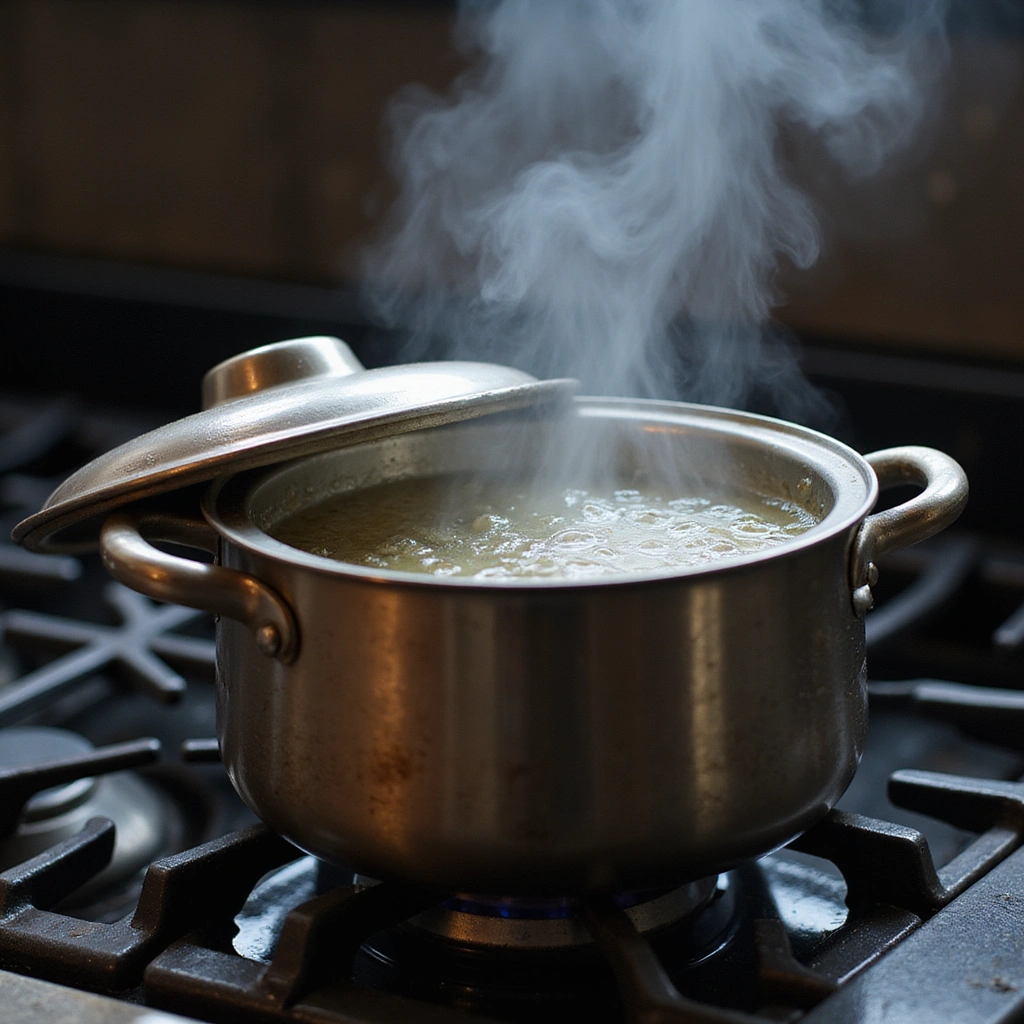
Reduce the heat to low and cover the pot with a lid.
Let the broth simmer for 25 minutes to allow the flavors to meld.
Check occasionally and skim off any foam that rises to the surface.
This will result in a clearer, cleaner broth.
Step 6: Cook the Noodles Separately
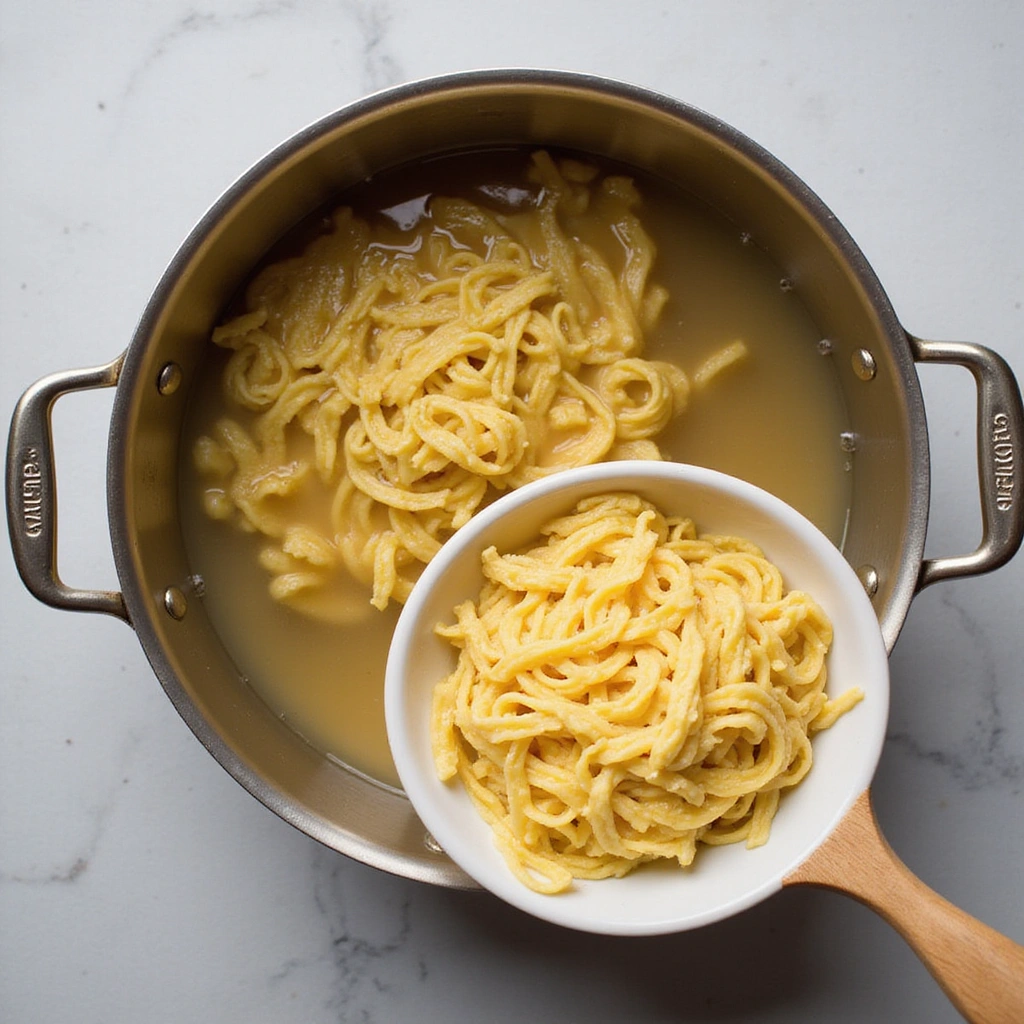
While the broth is simmering, cook the egg noodles in a separate pot.
Follow the package instructions for cooking time and add a pinch of salt to the water.
Stir occasionally to prevent sticking.
Once cooked, drain the noodles in a colander and set aside.
Step 7: Shred Chicken
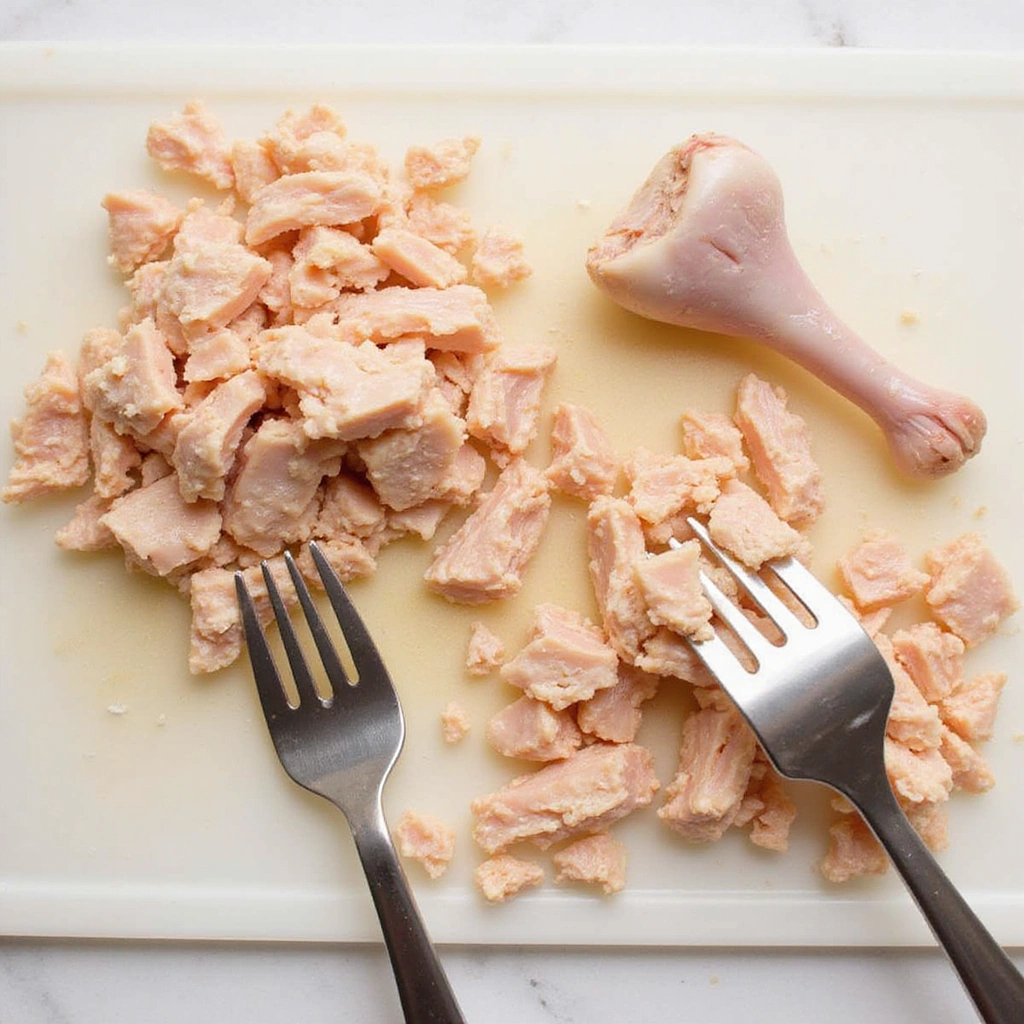
After simmering, remove the chicken pieces from the broth using tongs.
Let them cool slightly before shredding the meat with two forks.
Ensure that you discard the bones and skin, keeping only the tender meat.
This adds the perfect texture to the finished dish.
Step 8: Combine Everything
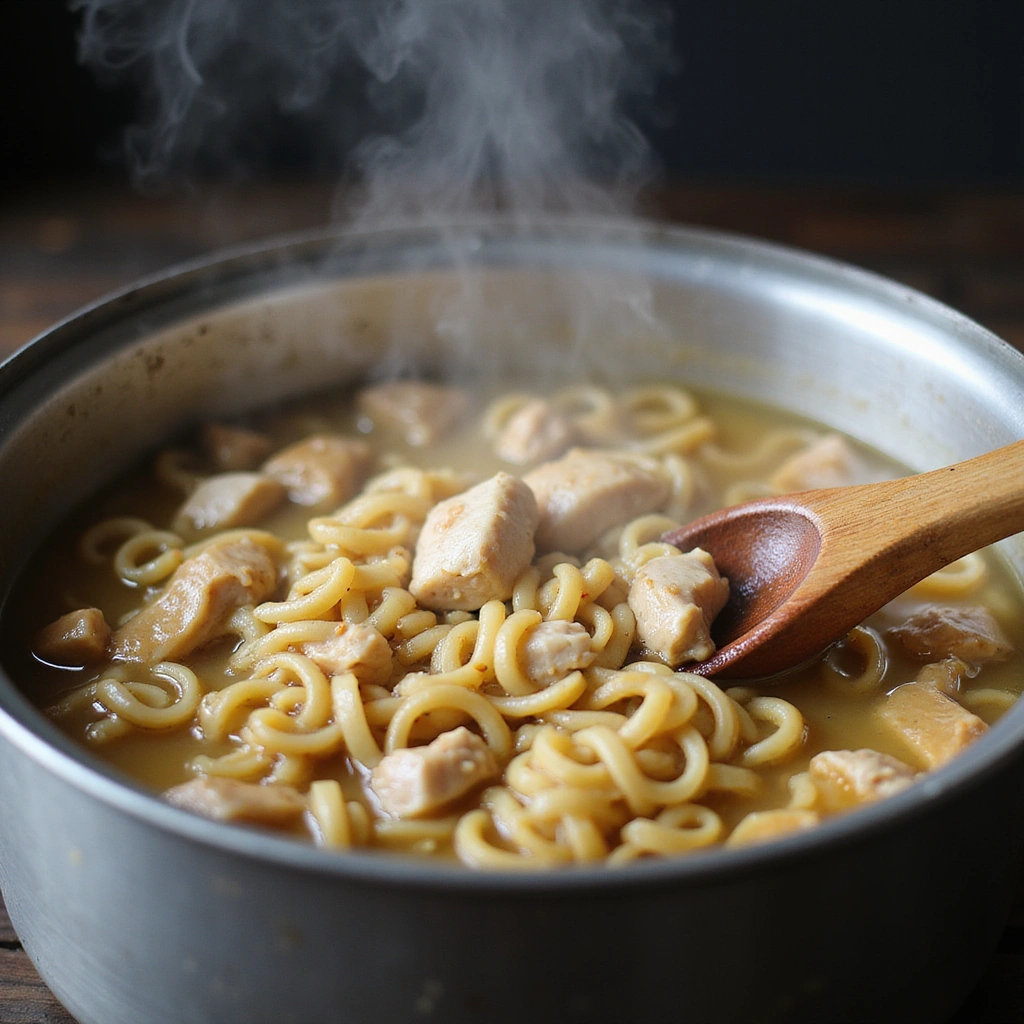
Return the shredded chicken to the pot with the broth.
Add the cooked noodles and stir to combine all ingredients.
Let everything heat through for another 5 minutes.
Taste and adjust seasoning with salt and pepper as needed.
Step 9: Serve and Garnish
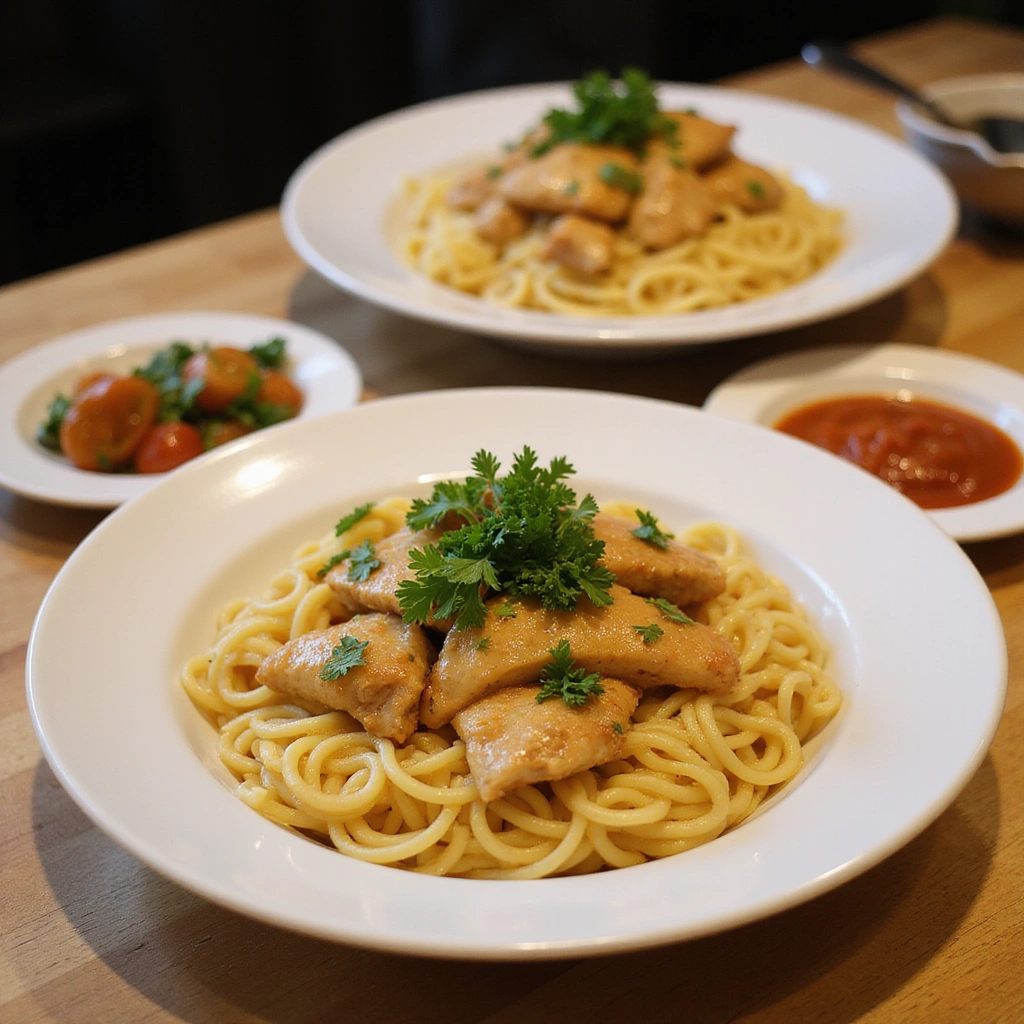
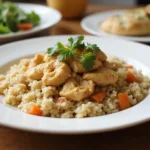
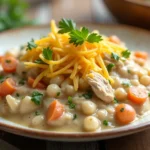
Ladle the chicken and egg noodle mixture into bowls.
Garnish with freshly chopped parsley for a pop of color and flavor.
Serve hot, allowing everyone to enjoy the comforting aroma.
Consider offering additional pepper or hot sauce on the side for those who like extra spice.
Critical Timing and Temperature Guide
Simmering the Broth: Maintain a low heat for at least 25 minutes, watching for small bubbles to indicate it’s simmering. Avoid boiling, as it can make the broth cloudy.
Cooking the Noodles: Follow package instructions closely, usually around 6-8 minutes for egg noodles. Check for al dente texture to prevent mushiness.
Shredding Chicken: Allow the chicken to cool slightly before shredding. If left too long, the meat can become dry and difficult to handle.
Pro Tips for Chicken And Egg Noodle Recipes Classic Comfort Dish
• Ingredient Selection: Using high-quality chicken, preferably free-range, makes a significant difference in flavor and texture.
• Preparation Secret: Incorporating a splash of white wine to the broth enhances depth of flavor.
• Temperature Management: Ensure the broth is simmering gently, as higher temperatures can toughen the chicken.
• Texture Enhancement: For silky noodles, rinse them under cold water after cooking to stop the cooking process.
• Flavor Layering: Consider adding fresh herbs like thyme or dill during the last few minutes of cooking for added complexity.
• Make-Ahead Strategies: Prepare the broth and chicken a day in advance and store separately to allow flavors to develop.
• Restaurant-Quality Finishing Touches: Drizzle with a bit of truffle oil before serving for an upscale twist.
• Equipment Optimization: Use a heavy-duty soup pot to ensure even heat distribution and prevent scorching.
Troubleshooting Common Issues
• Broth Too Greasy: If your broth is too greasy, skim off the excess fat after simmering. Let it cool slightly, and the fat will rise to the top for easy removal.
• Noodles Overcooked: If noodles become mushy, reduce cooking time next time and drain them immediately when done.
• Flavor Too Bland: If the dish lacks flavor, try adding a splash of soy sauce or seasoning with more herbs and spices.
• Chicken Dry: To avoid dry chicken, ensure not to overcook it and remove it from the broth as soon as it’s done.
• Texture Off: If the noodles clump together, rinse with cold water after cooking to separate them and prevent sticking.
Variations and Regional Differences
• Jewish Penicillin: A variation known as matzo ball soup includes matzo balls instead of noodles, often served during Passover.
• Asian Influence: In some Asian cultures, chicken noodle soup may incorporate ginger, sesame oil, and bok choy for a different flavor profile.
• Italian Version: In Italy, a similar dish called “minestra di pollo” includes vegetables like zucchini and is often served with a sprinkle of parmesan cheese.
• Modern Interpretations: Contemporary adaptations might use whole wheat noodles or gluten-free options, catering to dietary preferences.
Food Science Behind the Recipe
• Gelatinization: The process of cooking the chicken releases collagen into the broth, creating a rich, silky texture. This makes the broth more flavorful and satisfying.
• Maillard Reaction: Browning the chicken and vegetables enhances their flavors through complex chemical reactions, resulting in a deeper taste.
• Emulsification: When combining fat from the chicken with broth, a natural emulsification occurs, enriching the broth and creating a cohesive flavor profile.
Frequently Asked Questions
What’s the most common mistake people make when preparing chicken and egg noodles? Many overlook the importance of simmering the broth gently, leading to a cloudy and less flavorful result.
Can I prepare components of this dish in advance? Yes, you can cook the chicken and broth a day ahead, storing them separately in the refrigerator.
How do I adapt this recipe for dietary restrictions? For gluten-free options, substitute traditional egg noodles with gluten-free pasta or zucchini noodles.
What’s the best way to store and reheat leftovers? Store in an airtight container in the fridge for up to 3 days, reheating gently on the stove.
Can I freeze this dish? Yes, freeze the broth and chicken separately in airtight containers for up to 3 months.
What wine or beverages pair best with this dish? A light white wine, such as Sauvignon Blanc, complements the flavors beautifully.
How can I scale this recipe up for a crowd? Increase the ingredients proportionately but consider cooking in batches to maintain even cooking.
What side dishes complement this recipe best? A fresh side salad or crusty bread pairs perfectly with this comforting dish.
How do professional chefs elevate this dish for restaurant service? Chefs often use homemade stock and fresh herbs to enhance depth and complexity.
Serving and Presentation Guide
• Traditional Presentation: Serve in deep bowls, garnished with fresh parsley and a wedge of lemon for brightness.
• Modern Plating Ideas: Consider serving in shallow plates with a drizzle of olive oil and a sprinkle of microgreens for a contemporary touch.
• Accompaniment Suggestions: A side of garlic bread or a light salad enhances the meal experience.
• Special Occasion Presentation: For festive occasions, serve with a decorative platter, adding edible flowers or herbs for color.
Conclusion
I hope you find joy in making this classic chicken and egg noodle dish as much as I do.
It’s a recipe that brings family and friends together around the table.
With every warm bowl, you’re not just serving food, but nurturing connections and memories.