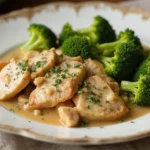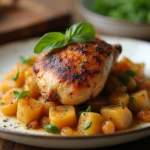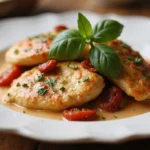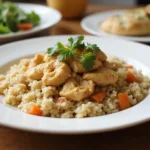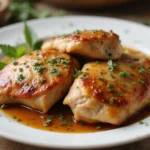
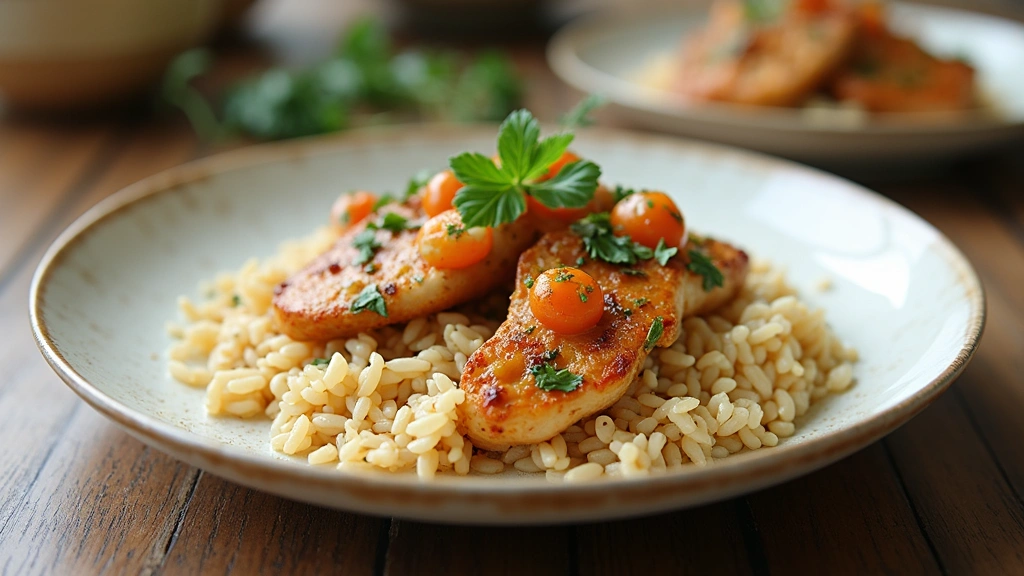
Healthy chicken and rice recipes are a staple in many households, combining wholesome ingredients for a satisfying meal.
The tender chicken paired with fluffy rice creates a comforting base that can be dressed up with vibrant vegetables and zesty seasonings.
I first fell in love with this dish after trying it at a family gathering, where the aroma filled the air and everyone gathered around the table.
Perfect for meal prep or a quick weeknight dinner, these recipes provide a nourishing option that doesn’t skimp on flavor.
The History and Cultural Significance
• Healthy Chicken And Rice Recipes Clean Eating Ideas traces its origins to ancient Mediterranean and Asian cuisines, where rice and poultry were common staples.
• The dish evolved over decades as different cultures adapted local spices and cooking methods, eventually becoming a go-to comfort food.
• In many cultures, this dish traditionally appears at family gatherings and significant celebrations, symbolizing unity and nourishment.
• While many variations exist across different regions, the authentic version maintains the balance of protein and carbohydrate that sets it apart from less nutritious options.
Recipe Overview
Nutritional Information (per serving)
Ingredients
Essential Equipment Guide
Cast Iron Skillet: This tool is essential for achieving a perfect sear on the chicken, which locks in flavor and moisture. Look for a well-seasoned skillet, as it enhances the non-stick properties and flavor.
Rice Cooker: A rice cooker simplifies the cooking process, ensuring perfectly fluffy rice every time. If you don’t have one, a heavy-bottomed pot with a tight-fitting lid can work as an alternative.
Sharp Chef’s Knife: A sharp knife is crucial for cutting the chicken and vegetables evenly. A good quality chef’s knife will make prep work quicker and safer.
Preparation Methods
Marinating Chicken: Marinating the chicken in olive oil, garlic powder, and spices enhances its flavor and tenderness. Aim for at least 30 minutes for maximum impact, but overnight is even better.
Sautéing Vegetables: Sautéing the vegetables helps to develop their flavors and maintain some crispness. Use medium-high heat and don’t overcrowd the pan to avoid steaming.
Cooking Rice: Using the right water-to-rice ratio is crucial for perfect rice. Generally, a 2:1 ratio works well for brown rice, but always check your rice package for specific instructions.
Step 1: Prepare Ingredients
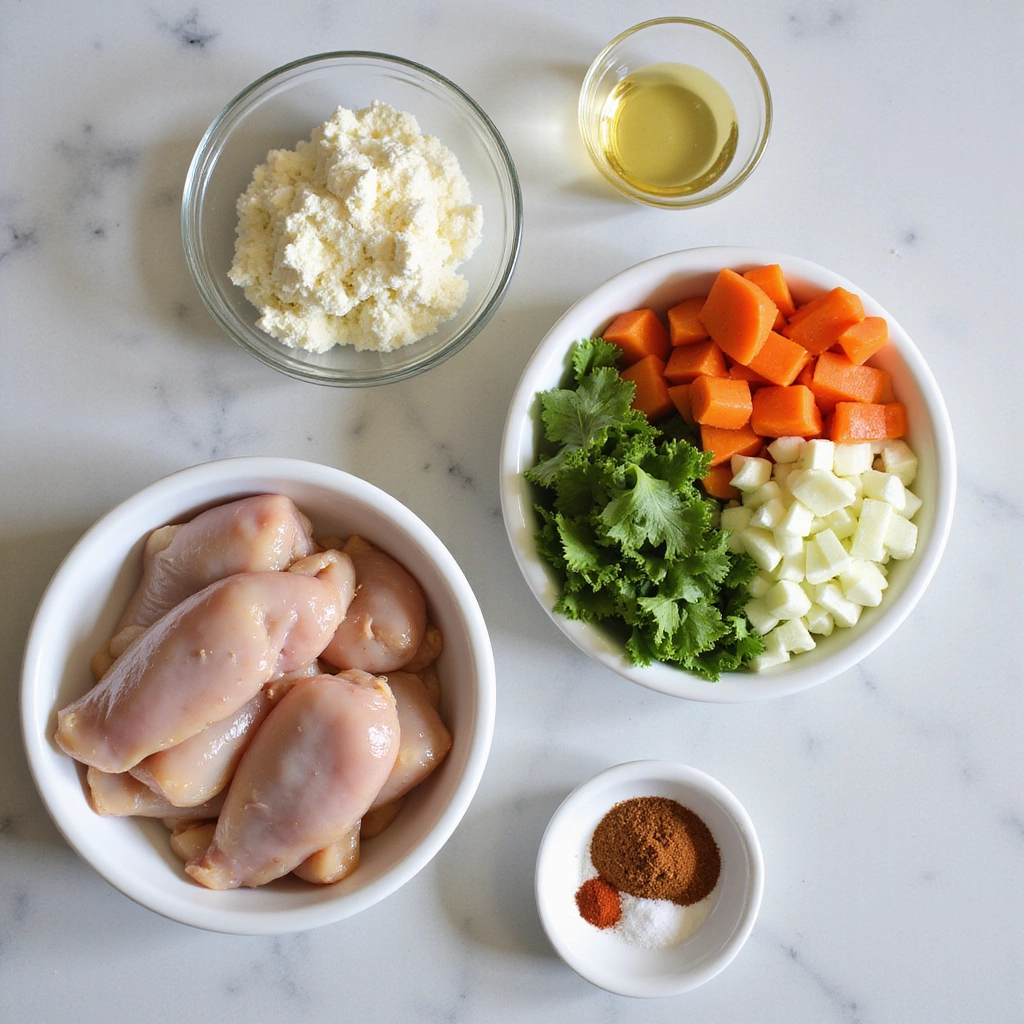
Begin by gathering all your ingredients and measuring them out.
This will streamline your cooking process and ensure you don’t miss anything.
Chop the vegetables and prepare the chicken by cutting it into bite-sized pieces.
Organizing your workspace will make the cooking process much more efficient.
Step 2: Marinate the Chicken
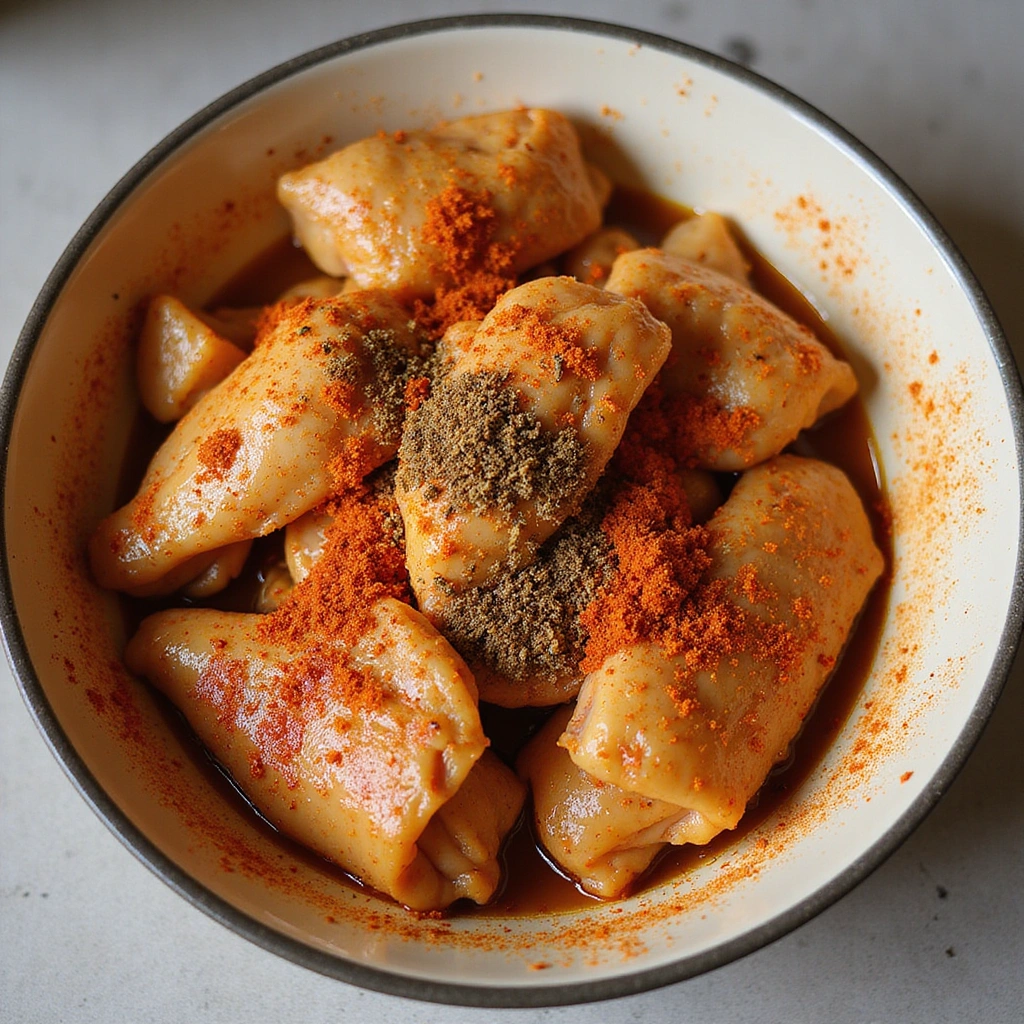
In a medium bowl, combine the chicken pieces with olive oil, garlic powder, onion powder, salt, and pepper.
Toss to coat the chicken evenly and let it marinate for at least 30 minutes.
This step is crucial as it enhances the flavor and keeps the chicken moist during cooking.
For best results, marinate it overnight in the refrigerator.
Step 3: Cook the Rice
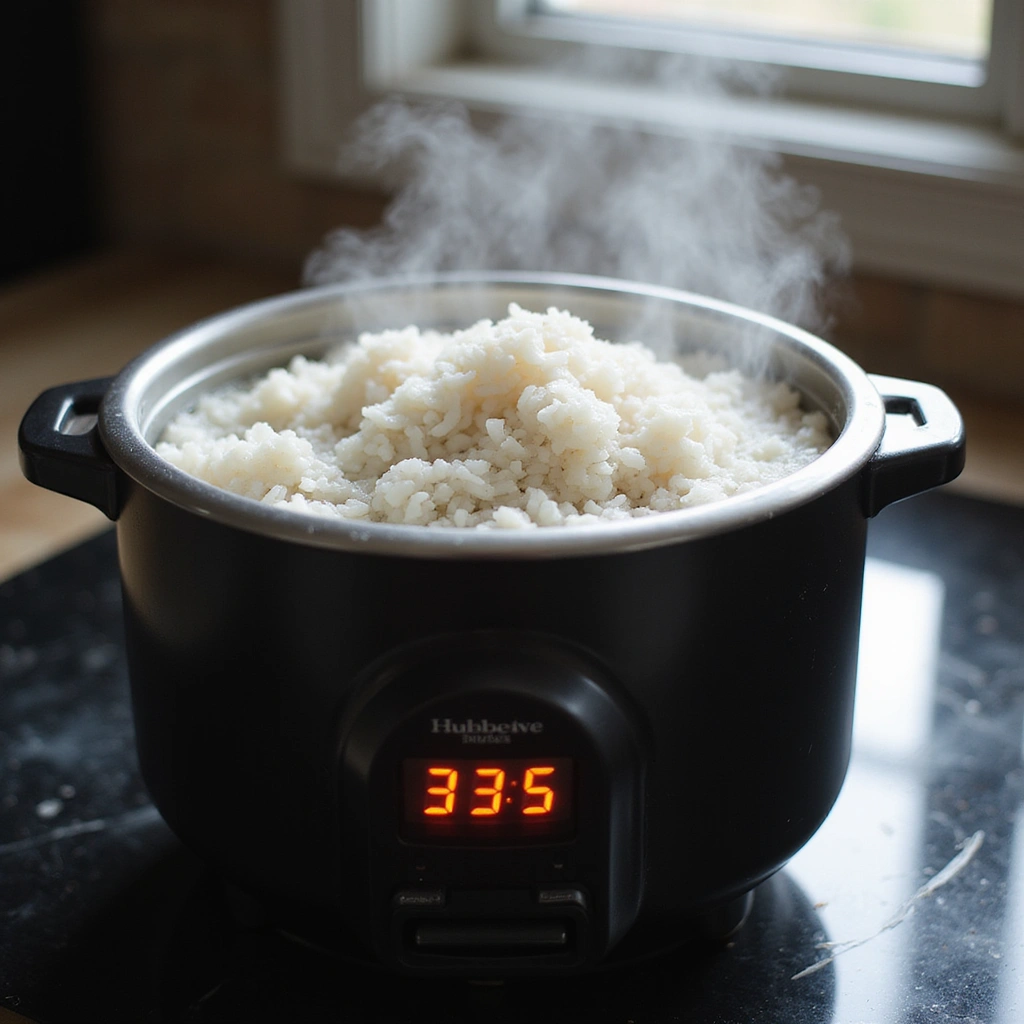
Rinse the brown rice under cold water to remove excess starch.
In a rice cooker or a pot, combine the rice with water using a 2:1 ratio.
Bring it to a boil, then reduce to a simmer, cover, and cook for about 30-35 minutes.
Check if the rice is tender and the water is absorbed before removing it from heat.
Step 4: Sauté the Vegetables
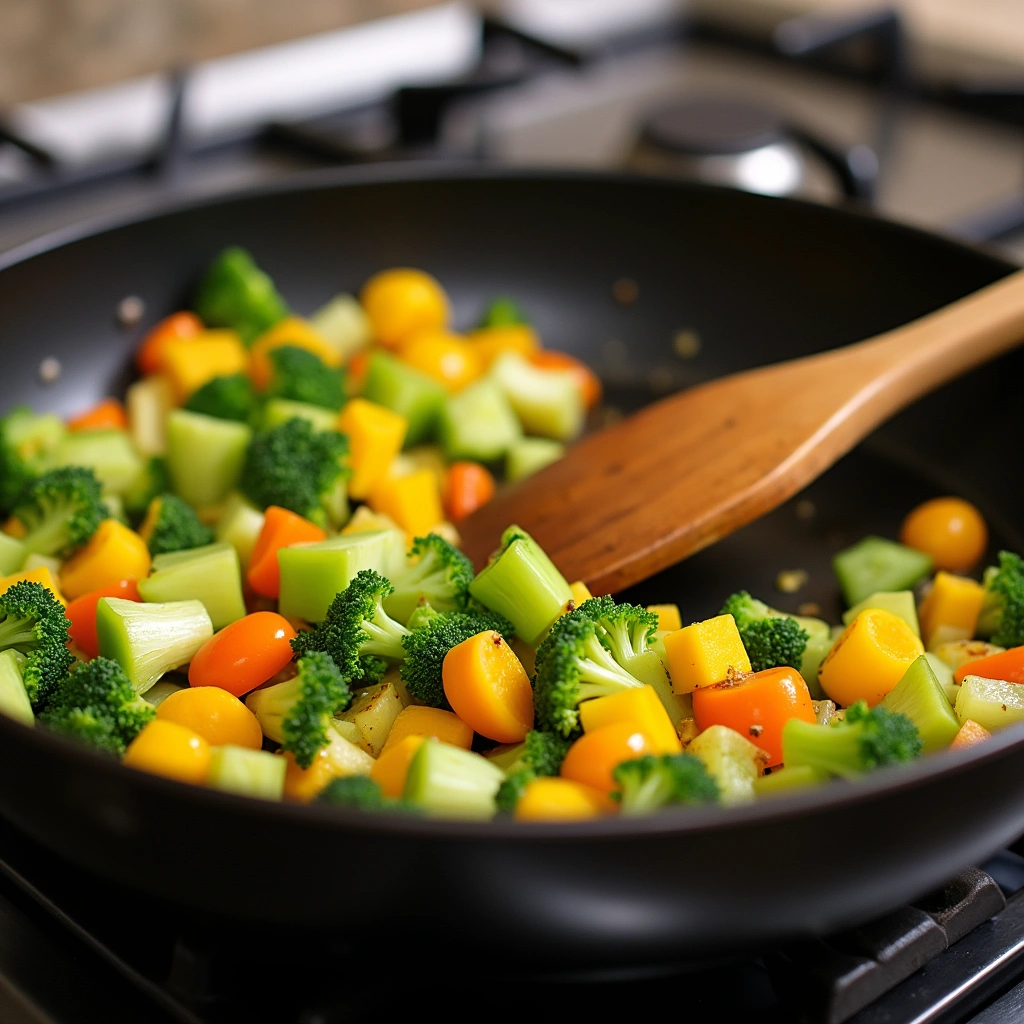
Heat a cast iron skillet over medium-high heat and add a drizzle of olive oil.
Once hot, add the diced bell pepper, zucchini, and broccoli florets.
Sauté for about 5-7 minutes until they are tender yet still vibrant in color.
Stir occasionally to prevent burning and ensure even cooking.
Step 5: Cook the Chicken
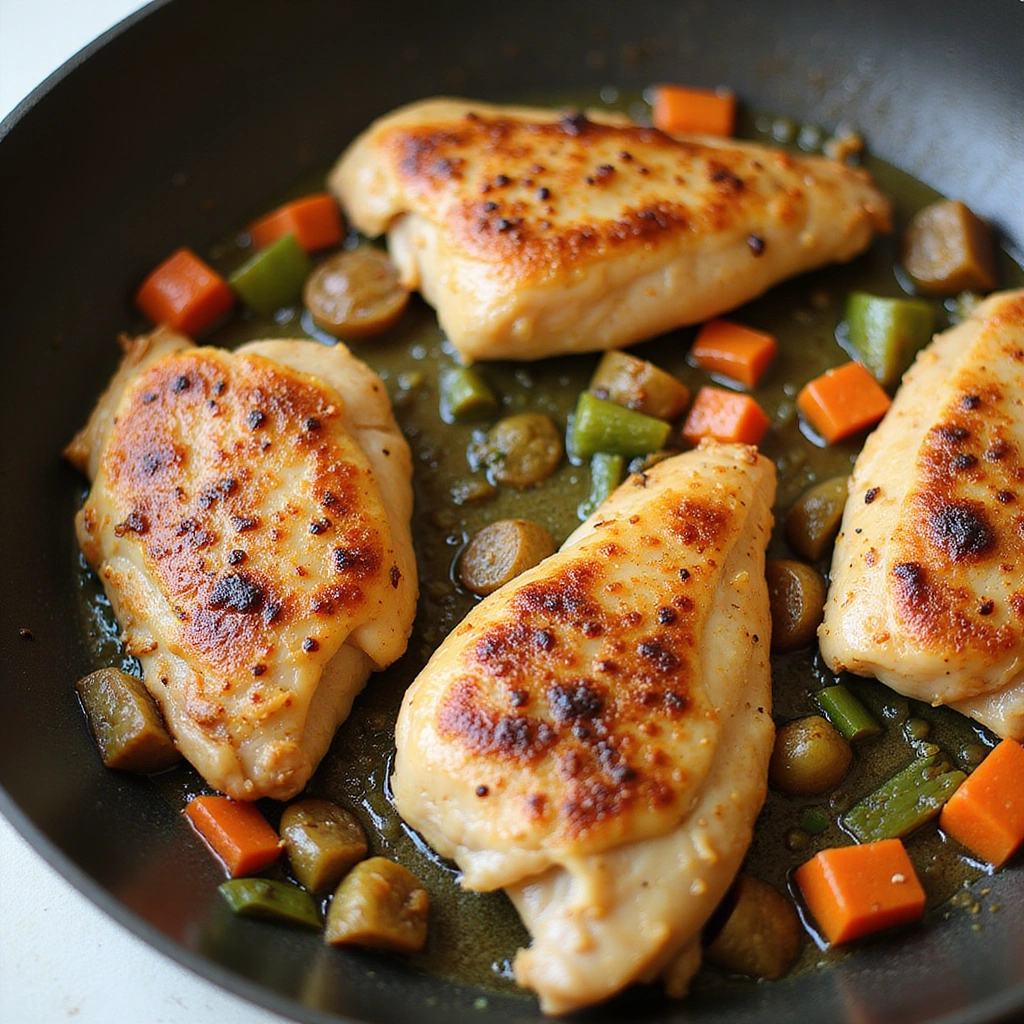
Push the sautéed vegetables to the side of the skillet and add the marinated chicken.
Cook for 7-10 minutes until the chicken is browned and cooked through, stirring occasionally.
Ensure there are no pink spots in the chicken to confirm it’s fully cooked.
This helps infuse the vegetables with the chicken’s flavor.
Step 6: Combine Chicken, Vegetables, and Rice
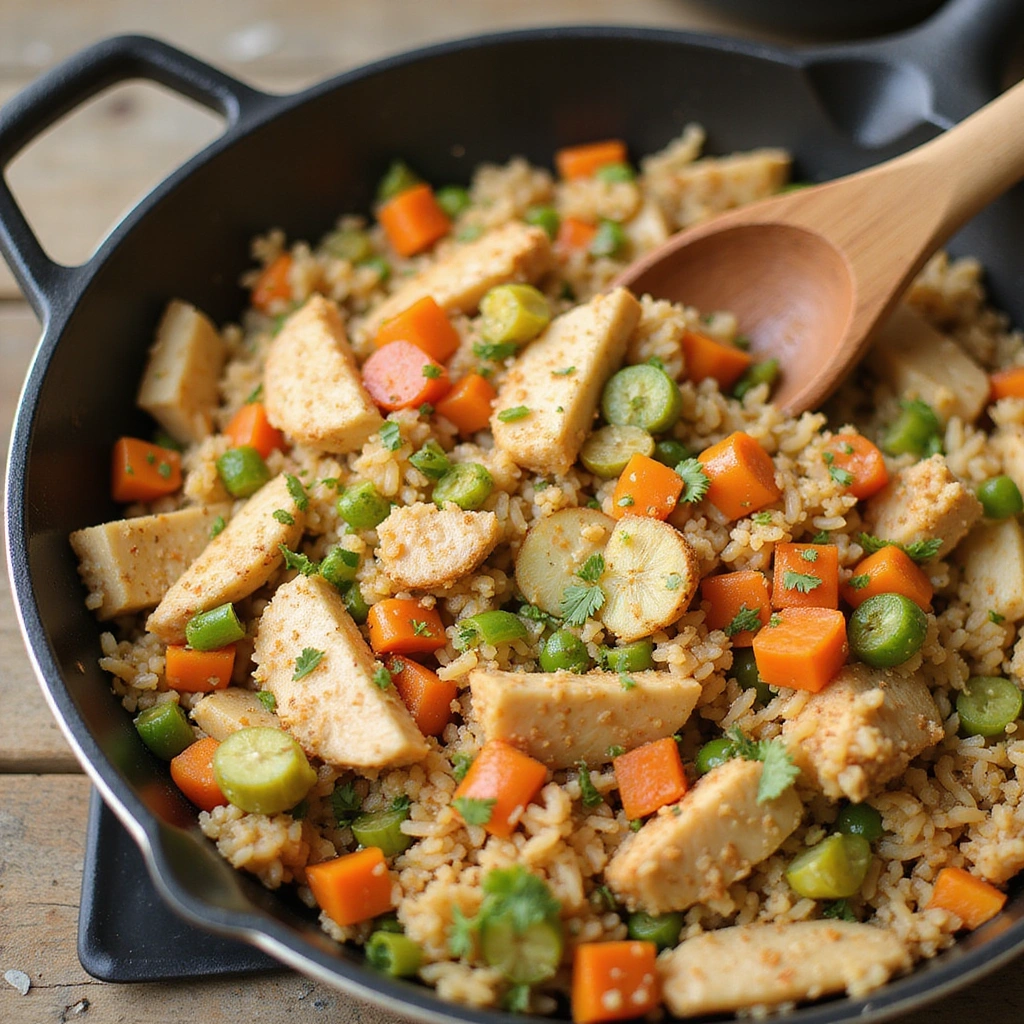
Once the chicken is cooked, add the prepared rice to the skillet with the chicken and vegetables.
Gently fold the mixture together until well combined and heated through.
This step allows the flavors to meld together beautifully.
Taste and adjust seasoning as necessary.
Step 7: Serve Hot
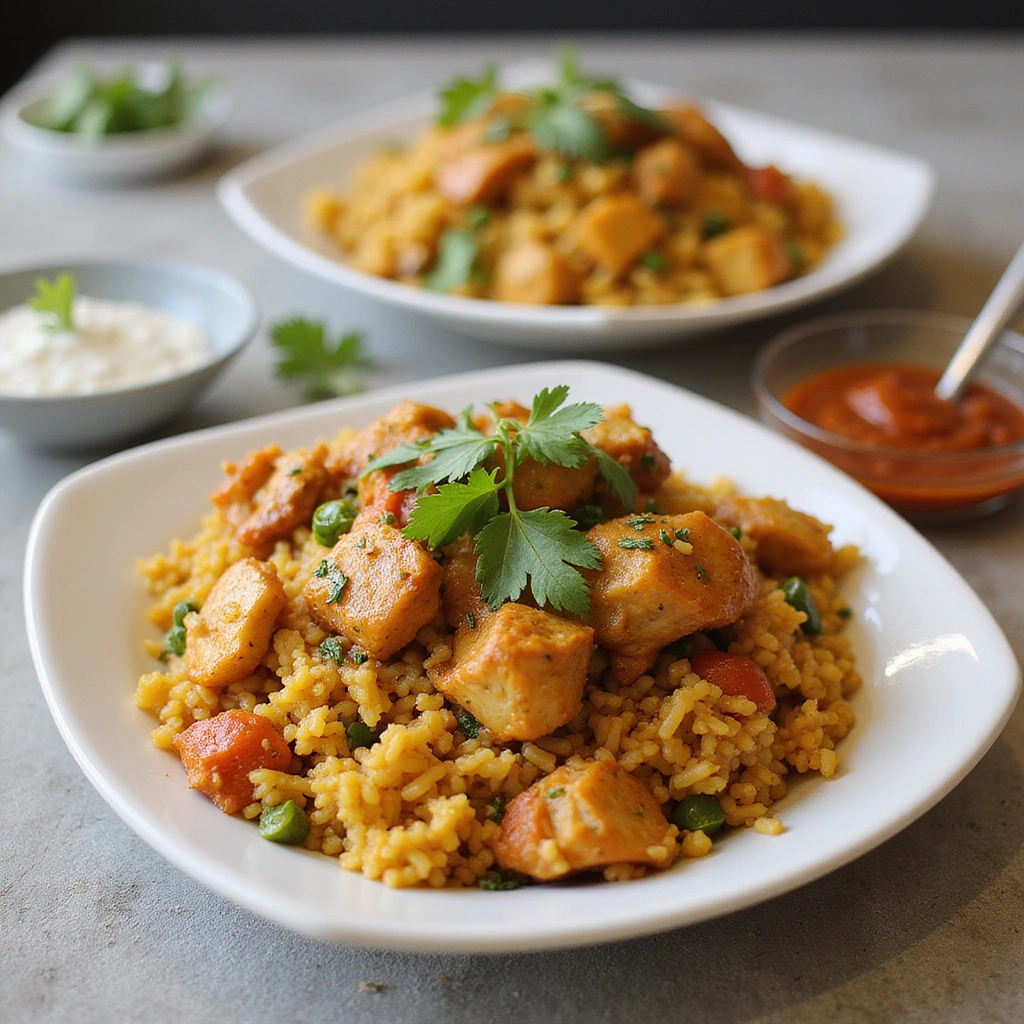
Spoon the chicken and rice mixture onto plates or serving bowls.
Garnish with fresh herbs like parsley or cilantro for added flavor and presentation.
Serve immediately while hot for the best taste experience.
Enjoy your healthy chicken and rice dish with a side of your choice.
Step 8: Store Leftovers
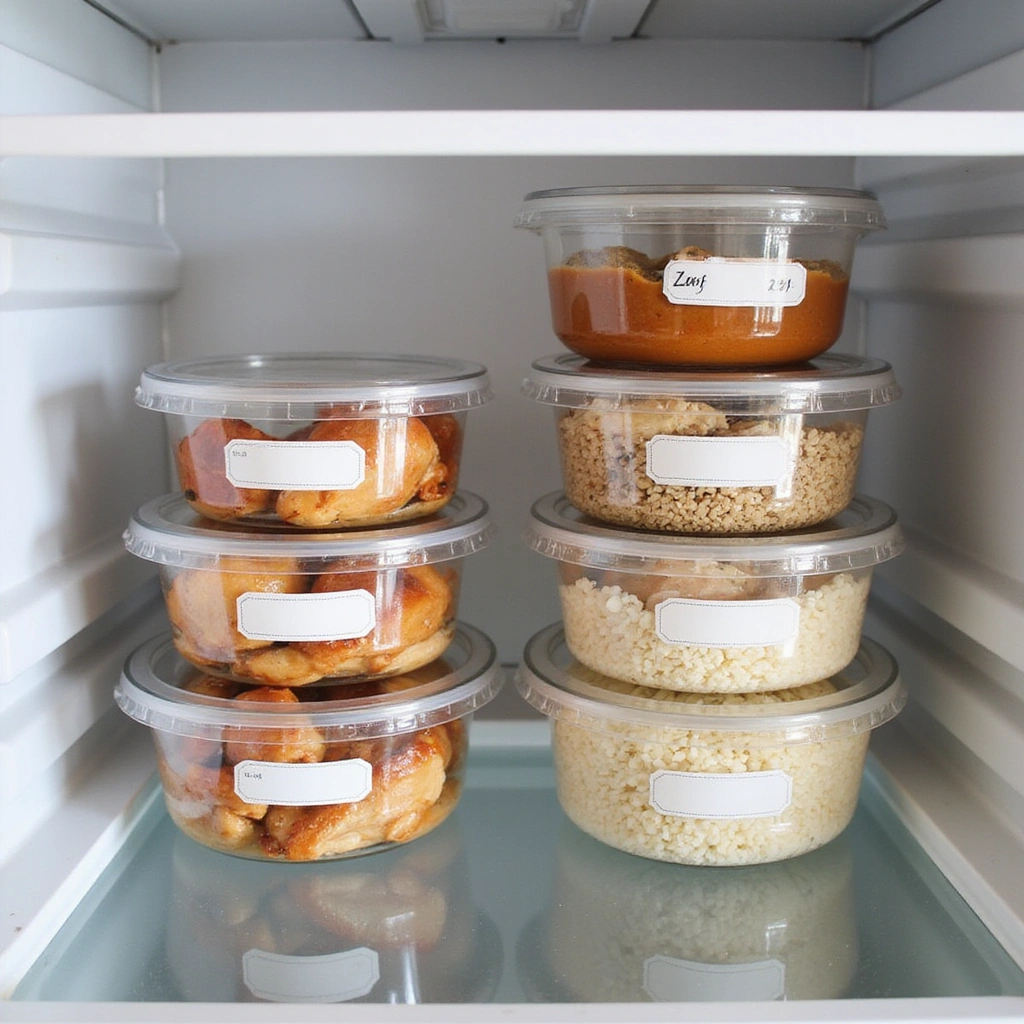
If you have leftovers, allow the dish to cool completely before storing.
Transfer to airtight containers and refrigerate for up to 3 days.
To reheat, simply microwave or warm on the stovetop until heated through.
This makes for an easy and healthy lunch option.
Critical Timing and Temperature Guide
Cooking Chicken: Cook the chicken for approximately 7-10 minutes on medium-high heat until it reaches an internal temperature of 165°F. Look for a golden-brown exterior and no pink inside. Avoid overcooking, which can lead to dryness.
Cooking Rice: For brown rice, simmer for 30-35 minutes on low heat. It’s done when all the water is absorbed and the grains are tender. Avoid lifting the lid too often, as it can disrupt the cooking process.
Sautéing Vegetables: Sauté for about 5-7 minutes on medium-high heat until tender but still vibrant. If they start to brown too quickly, reduce the heat slightly to prevent burning.
Pro Tips for Healthy Chicken And Rice Recipes Clean Eating Ideas
• Ingredient Selection: Choose high-quality chicken breast and organic vegetables for the best flavor and nutritional value.
• Preparation Secret: Allow the chicken to marinate longer for deeper flavor absorption.
• Temperature Management: Ensure all ingredients are at room temperature before cooking to promote even cooking.
• Texture Enhancement: Use a cast iron skillet to achieve the best sear on the chicken.
• Flavor Layering: Incorporate fresh herbs during cooking for a bright flavor boost.
• Make-Ahead Strategies: Cook a larger batch of rice in advance and store it for quick meals.
• Restaurant-Quality Finishing Touches: Drizzle a bit of lemon juice before serving for added freshness.
• Equipment Optimization: Familiarize yourself with your stovetop settings to control heat effectively.
Troubleshooting Common Issues
• Chicken Too Dry: Overcooking is the main culprit. Ensure you use a meat thermometer to check for doneness at 165°F and remove it from heat immediately.
• Rice Undercooked: If the rice isn’t cooked through, add a little more water and continue cooking on low heat, checking every few minutes.
• Vegetables Mushy: This happens with overcooking. Aim for a quick sauté to maintain crunch. Adjust cooking time accordingly.
• Flavor Flat: If the dish lacks flavor, consider adjusting seasoning or adding a splash of soy sauce or lemon juice.
• Sticky Rice: This can occur with excessive water. Use the correct water-to-rice ratio and rinse the rice beforehand.
Variations and Regional Differences
• Spanish Chicken and Rice: This version includes saffron and peas, giving it a vibrant yellow color and distinct flavor profile influenced by Spanish cuisine.
• Asian Chicken Fried Rice: Incorporating soy sauce, green onions, and scrambled eggs transforms this dish into a quick stir-fry, showcasing Asian culinary techniques.
• Mexican Chicken and Rice: This variation uses spices like cumin and chili powder, along with black beans and corn, to create a zesty and colorful dish.
• Modern Interpretations: Current trends may include using quinoa instead of rice or introducing plant-based proteins for a vegetarian option.
Food Science Behind the Recipe
• Maillard Reaction: This chemical reaction occurs when proteins in the chicken are browned, creating complex flavors and aromas that enhance the dish’s overall appeal.
• Gelatinization: When cooking rice, the starches gelatinize, which helps achieve the perfect texture that isn’t too sticky or too dry.
• Emulsification: Mixing oil and spices for the marinade creates an emulsion that helps coat the chicken evenly, enhancing flavor and moisture retention.
Frequently Asked Questions
What’s the most common mistake people make when preparing healthy chicken and rice? The top mistake is overcooking the chicken, leading to dryness. Monitor cooking times closely and use a thermometer for best results.
Can I prepare components of this dish in advance? Yes, marinate the chicken and cook the rice a day ahead. Store them separately in the fridge to maintain freshness.
How do I adapt this recipe for dietary restrictions? For gluten-free diets, ensure your soy sauce is gluten-free or substitute with coconut aminos.
What’s the best way to store and reheat leftovers? Store in airtight containers for up to 3 days and reheat in the microwave or on the stovetop with a splash of water to keep it moist.
Can I freeze this dish? Yes, freeze the chicken and rice mixture in airtight containers for up to 3 months. Thaw in the fridge overnight before reheating.
What wine or beverages pair best with this dish? A crisp white wine like Sauvignon Blanc complements the flavors well.
How can I scale this recipe up for a crowd? Simply multiply the ingredient quantities by the number of servings needed, ensuring to adjust cooking times for larger batches.
What side dishes complement this recipe best? A fresh salad or steamed vegetables would pair nicely, providing crunch and additional nutrients.
How do professional chefs elevate this dish for restaurant service? Chefs often use high-quality ingredients, add unique garnishes, and focus on presentation to enhance the dining experience.
Serving and Presentation Guide
• Traditional Presentation: Serve the chicken and rice in shallow bowls, garnished with fresh herbs and a wedge of lemon on the side.
• Modern Plating Ideas: Stack the rice in a mold and top with the chicken and vegetables for a tower effect, drizzling sauce around the plate for elegance.
• Accompaniment Suggestions: Pair with a light cucumber salad or a zesty slaw to add freshness and crunch.
• Special Occasion Presentation: Use a large platter to serve the chicken and rice, garnished with edible flowers or vibrant herbs for a visually stunning effect.
Conclusion
I hope you find joy in preparing this healthy chicken and rice recipe that combines flavor and nutrition in every bite.
Whether it’s for a family meal or meal prep, this dish is sure to satisfy.
Give it a try and enjoy the delightful experience of cooking and sharing wholesome food.