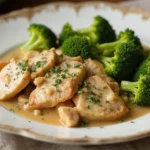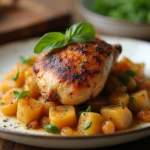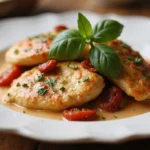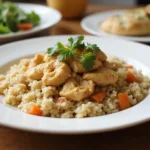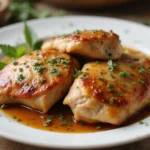

Chicken and mashed potatoes is the quintessential comfort food that has warmed hearts for generations.
This classic dish combines juicy, savory chicken with creamy, buttery mashed potatoes to create a meal that feels like a warm hug.
I remember enjoying this comforting combo on rainy Sunday afternoons at my grandmother’s house, where the aromas would fill the air and bring everyone to the table.
Whether it’s a family gathering or a cozy weeknight dinner, this Chicken and Mashed Potatoes recipe is sure to bring everyone together.
The History and Cultural Significance
• Chicken and mashed potatoes traces its origins to the United States, where it became a staple in American households in the early 1900s.
• The dish evolved over decades as home cooks began experimenting with flavors and cooking techniques, eventually leading to the beloved comfort food we know today.
• In American culture, this dish traditionally appears at family gatherings, Sunday dinners, and holiday celebrations, symbolizing togetherness and warmth.
• While many variations exist across different regions, the authentic version maintains its core elements of roasted or fried chicken paired with creamy mashed potatoes.
Recipe Overview
Nutritional Information (per serving)
Ingredients
Essential Equipment Guide
Cast Iron Skillet: This versatile tool is perfect for achieving a beautifully seared chicken with a crispy skin. Alternatives like non-stick pans can work, but cast iron provides better heat retention and even cooking. Look for one that is well-seasoned for the best results.
Potato Masher: Essential for creating smooth and creamy mashed potatoes, a potato masher allows you to control the texture. Alternatively, a ricer can be used for an ultra-smooth finish. Opt for one with a comfortable grip to make mashing easier.
Meat Thermometer: This tool is crucial for ensuring your chicken is cooked to perfection without drying it out. While you can use visual cues, a thermometer provides accuracy. Look for one that gives quick readings for convenience.
Preparation Methods
Brining Chicken: Brining your chicken in a saltwater solution before cooking enhances its juiciness and flavor. This technique allows the chicken to absorb moisture, making it more tender. Aim for a brine of 1/4 cup salt to 4 cups of water, soaking for at least 30 minutes.
Perfect Mashed Potatoes: To achieve the best mashed potatoes, it’s essential to cook the potatoes evenly. Start them in cold salted water and bring to a boil. Once fork-tender, drain and mash while still hot to prevent a gummy texture.
Deglazing the Pan: After cooking the chicken, deglaze the pan by adding a splash of chicken broth or wine. This process lifts the flavorful brown bits stuck to the bottom, creating a delicious base for your sauce. Scrape the bottom with a wooden spoon while bringing it to a simmer.
Step 1: Prepare the Chicken
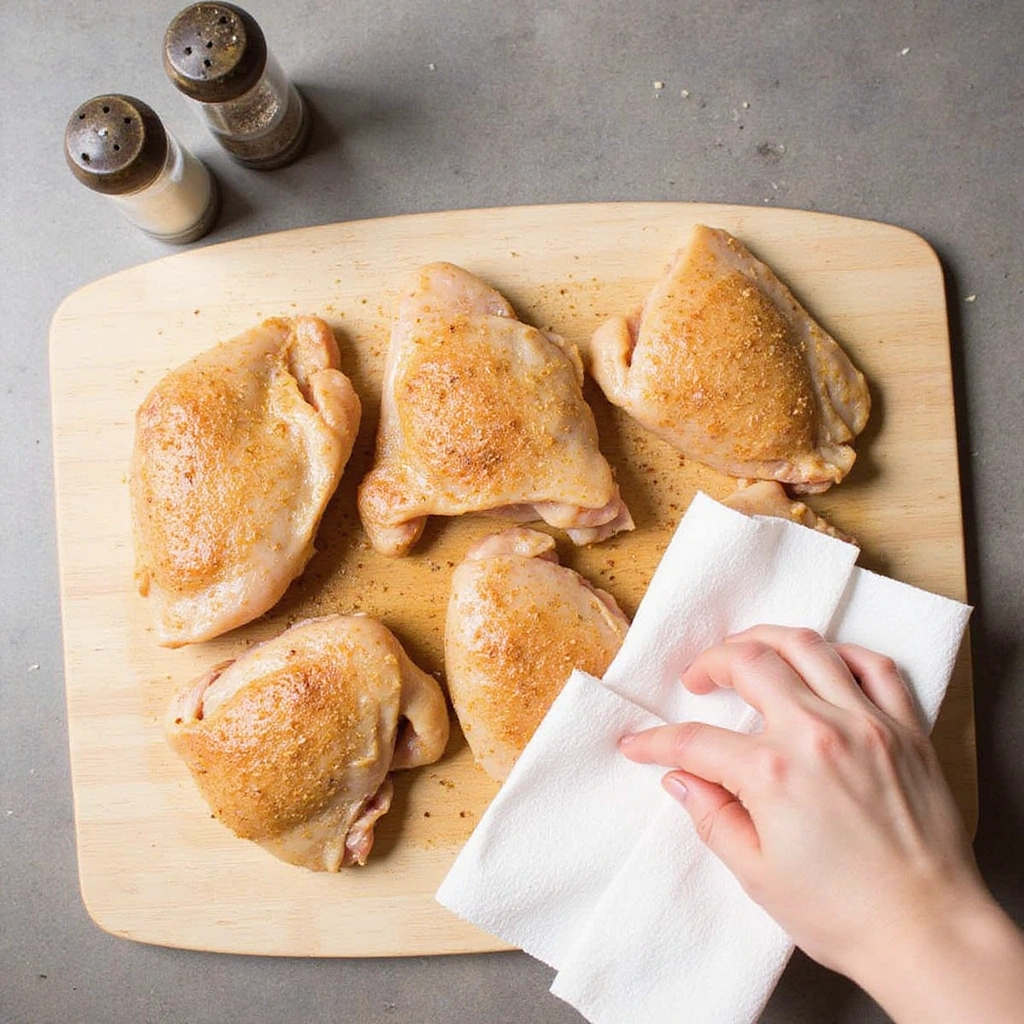
Start by patting the chicken thighs dry with paper towels.
Season both sides generously with salt and pepper.
This step ensures the chicken is flavorful and helps achieve a crispy skin during cooking.
Allow the chicken to rest at room temperature for about 15 minutes before cooking.
Step 2: Heat the Pan
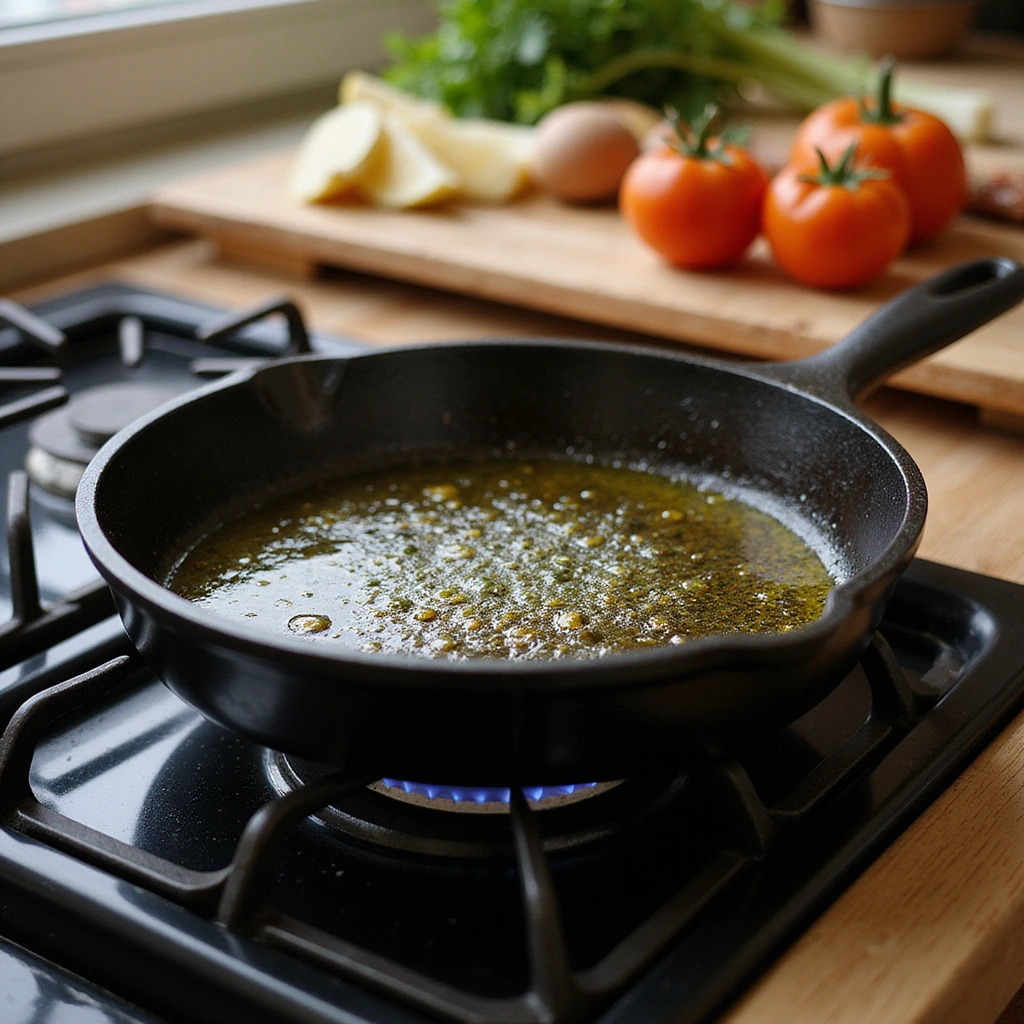
Place a cast iron skillet over medium-high heat and add the olive oil.
Let the oil heat until it shimmers, indicating it’s ready for the chicken.
This step is crucial for achieving a perfect sear.
You can test the heat by dropping a small piece of chicken into the pan; if it sizzles, it’s ready.
Step 3: Sear the Chicken
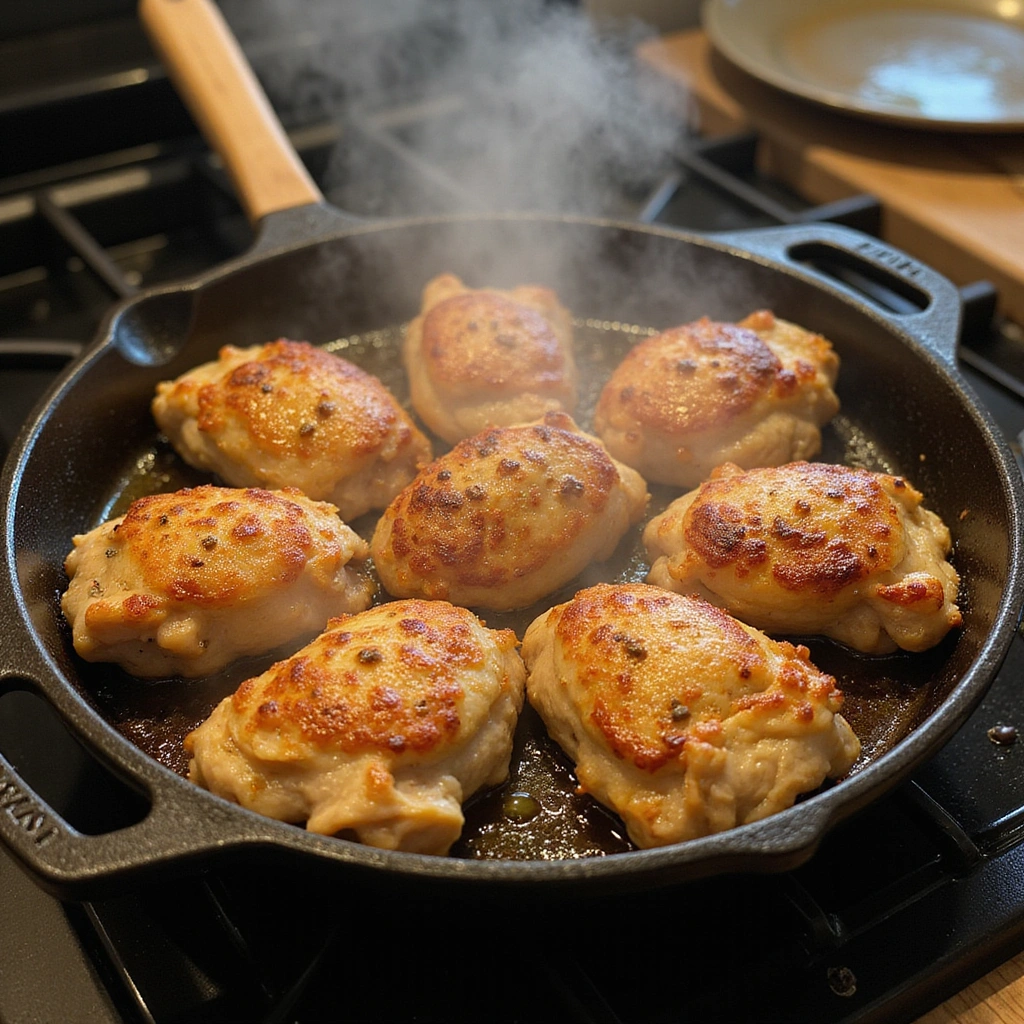
Carefully add the chicken thighs skin-side down into the hot skillet.
Cook for about 5-7 minutes without moving them to develop a crispy skin.
You’ll know it’s time to flip when the chicken releases easily from the pan.
Once flipped, cook for another 5-7 minutes until the internal temperature reaches 165°F.
Step 4: Remove Chicken and Rest
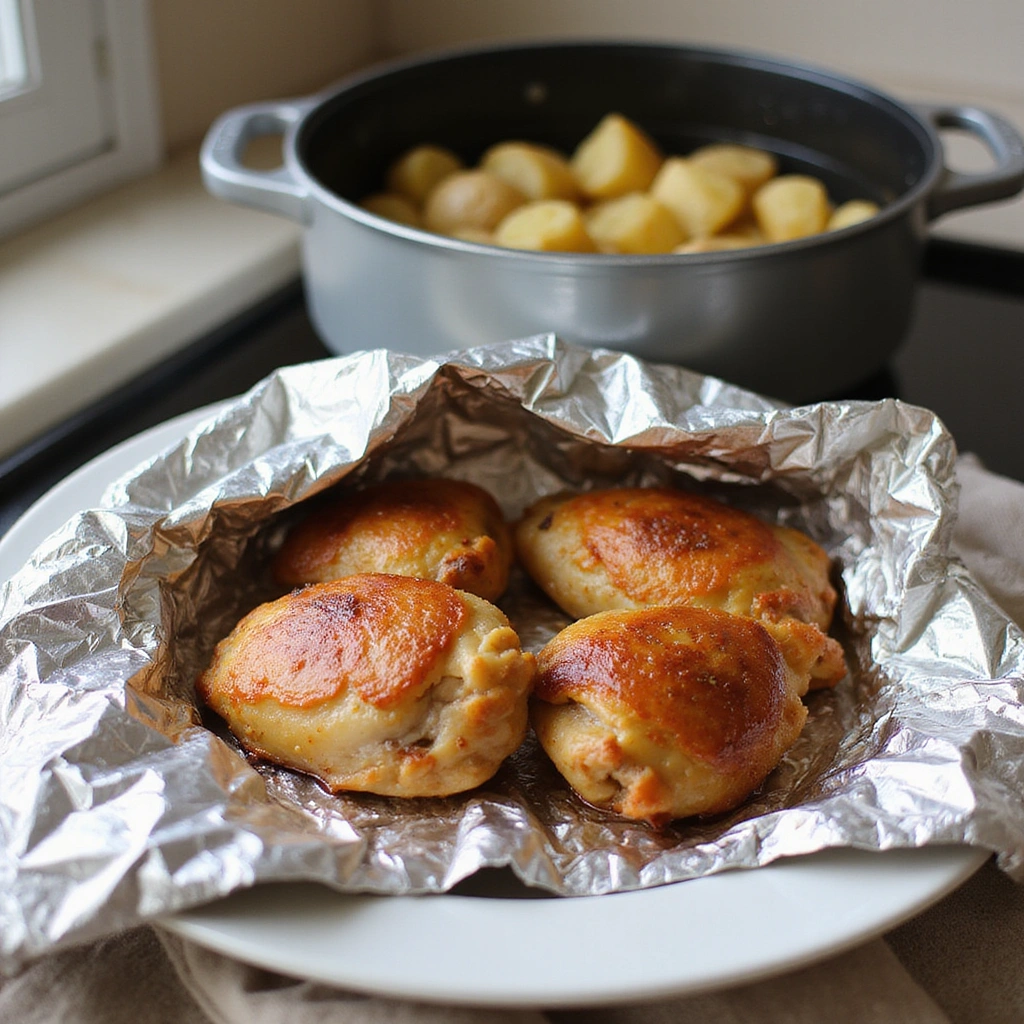
Once the chicken is cooked, transfer it to a plate and cover it loosely with foil.
This rest period allows the juices to redistribute, keeping the chicken moist.
Don’t skip this step as it greatly affects the texture of the chicken.
While it rests, you can prepare the mashed potatoes.
Step 5: Boil the Potatoes
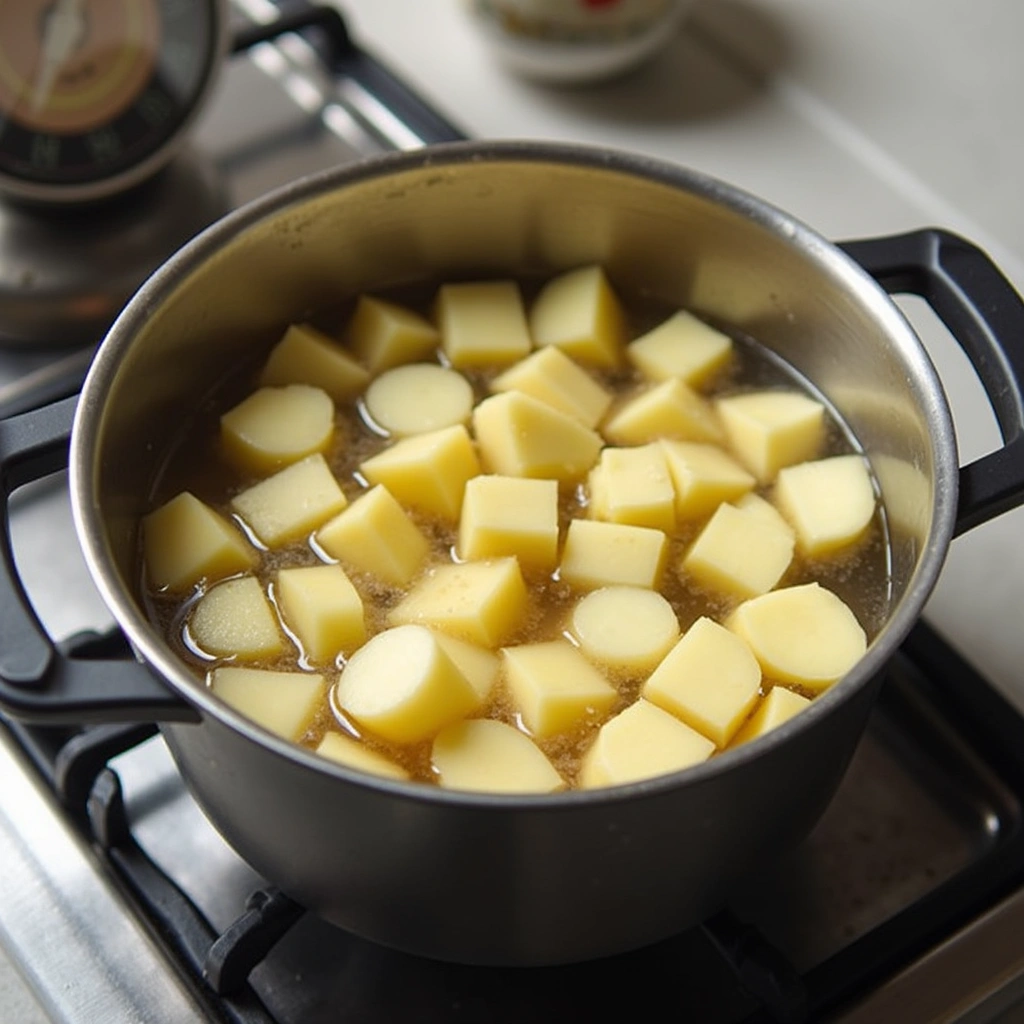
Place the cubed potatoes into a large pot and cover with cold water.
Add a generous pinch of salt to the water for flavor.
Bring the pot to a boil over high heat, then reduce to a simmer until the potatoes are fork-tender, about 15-20 minutes.
Make sure to check doneness by piercing a potato with a fork.
Step 6: Drain and Mash the Potatoes
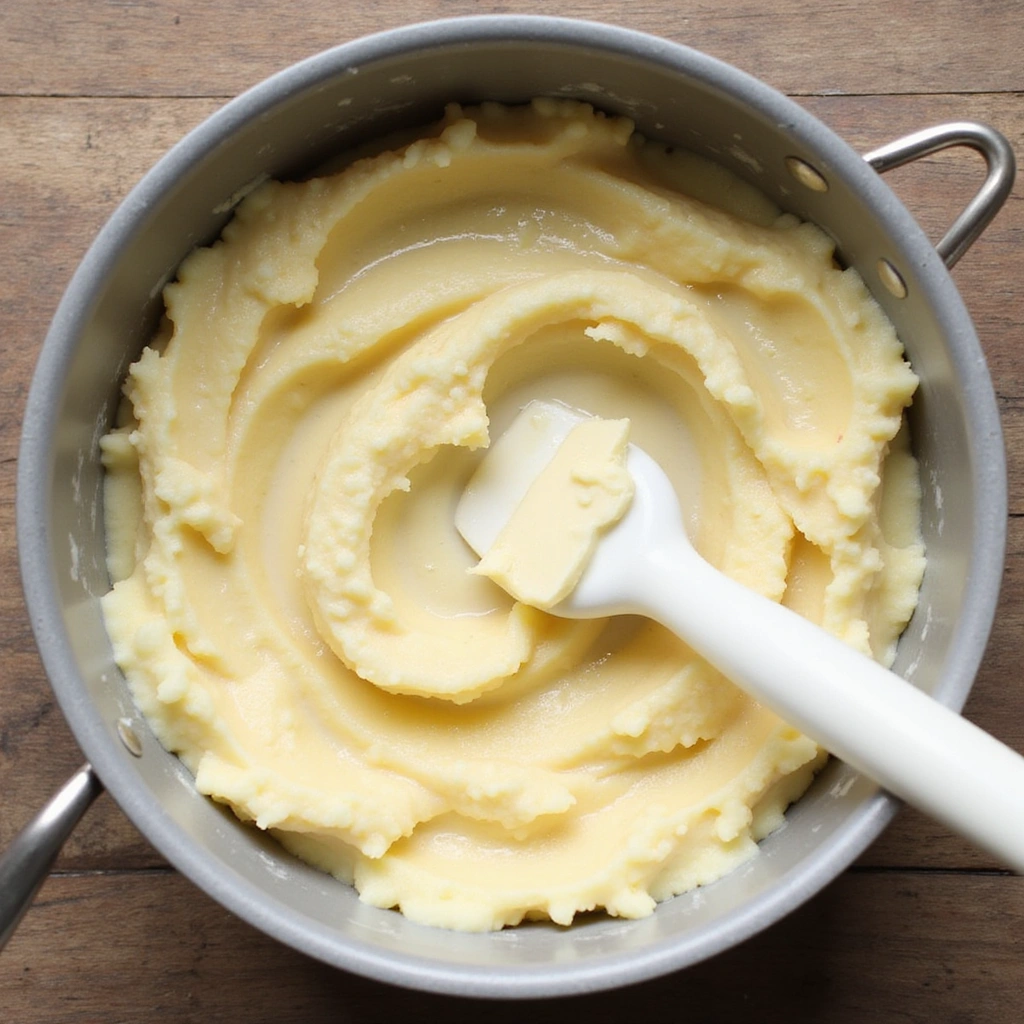
Once the potatoes are tender, drain them in a colander.
Return the potatoes to the pot and add warmed milk, butter, garlic powder, and salt.
Mash the potatoes until they reach your desired consistency, whether chunky or smooth.
Taste and adjust seasoning as needed.
Step 7: Make the Sauce
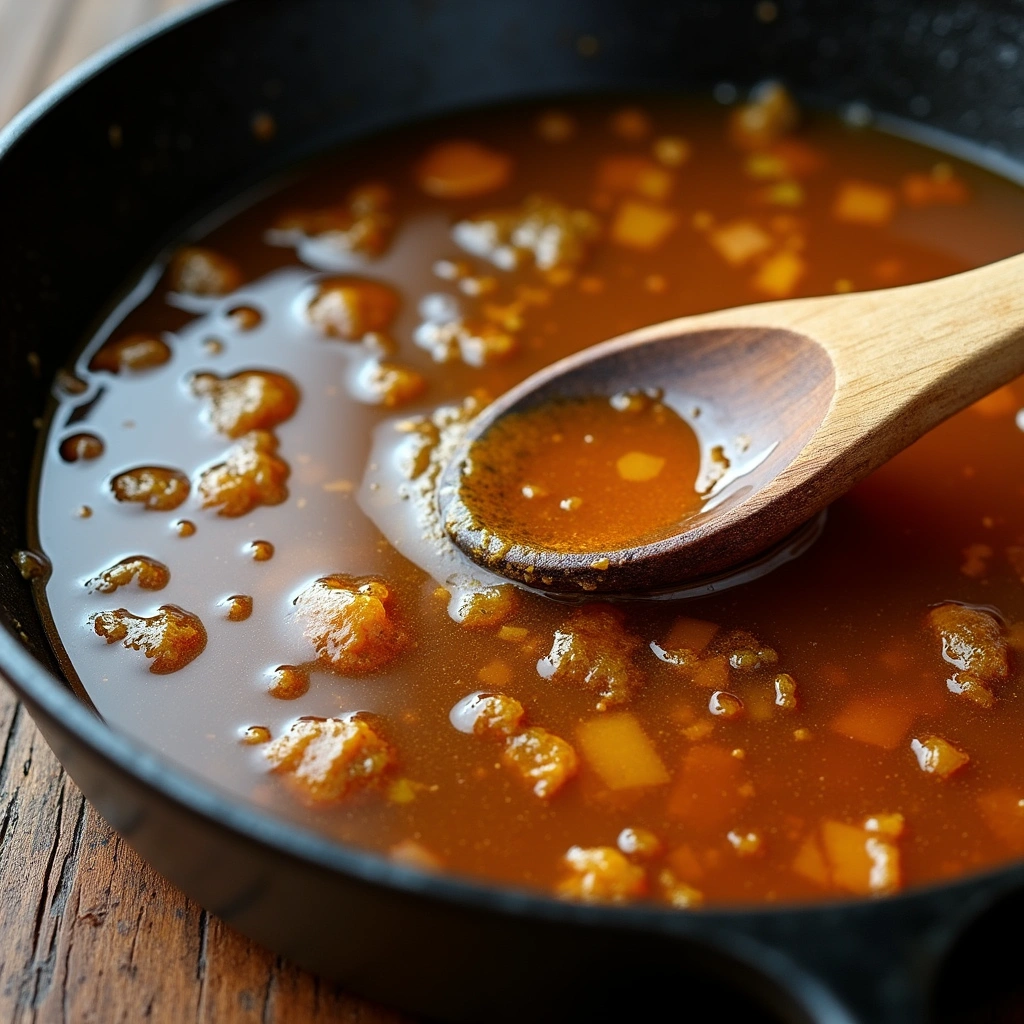
In the same skillet used for the chicken, pour in a splash of chicken broth to deglaze the pan.
Scrape the bottom with a wooden spoon to lift the browned bits, enhancing the flavor.
Let the liquid simmer for a few minutes to reduce slightly.
This sauce can be drizzled over the chicken and mashed potatoes for added richness.
Step 8: Serve the Dish
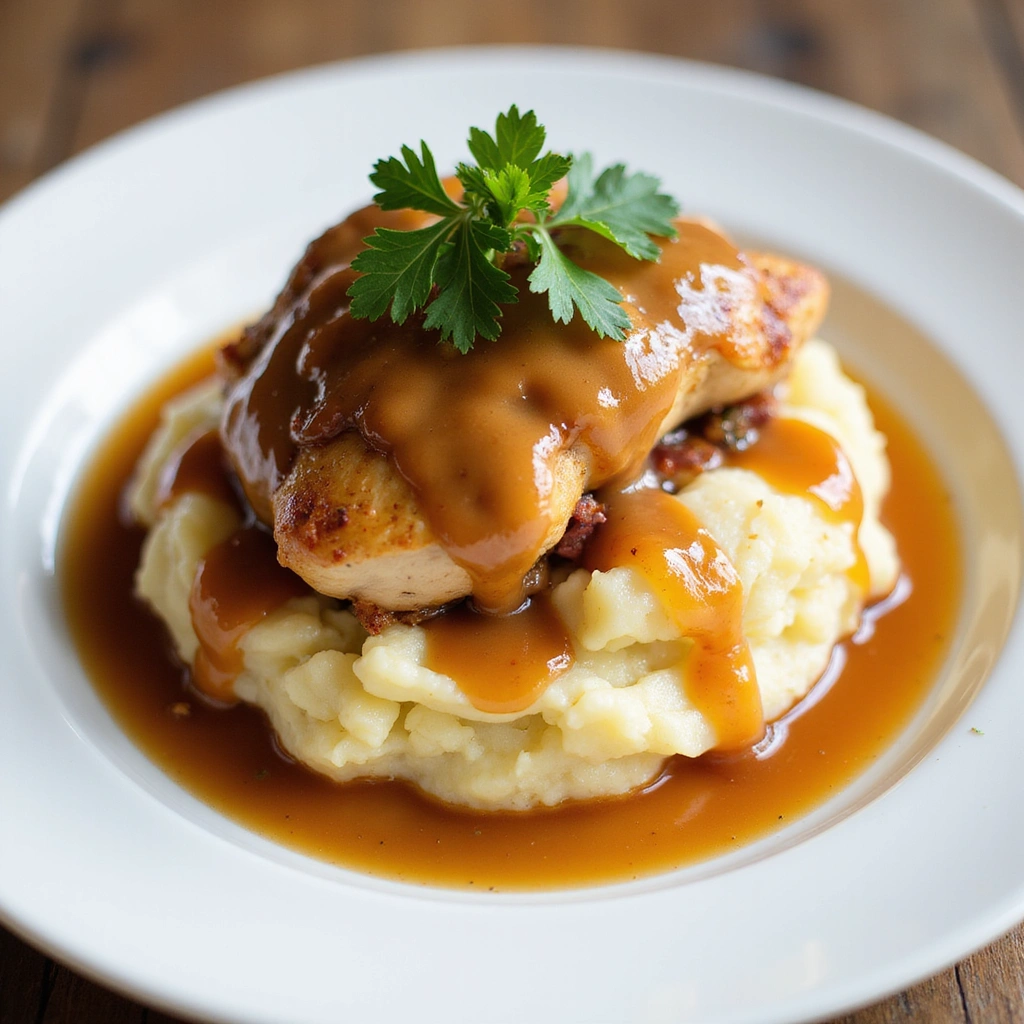
Spoon a generous portion of mashed potatoes onto each plate, creating a well in the center.
Place a piece of chicken on top of the mashed potatoes and drizzle with the sauce.
Garnish with freshly chopped parsley for a pop of color.
Serve immediately while hot for the best experience.
Critical Timing and Temperature Guide
Searing Chicken: Sear chicken for 5-7 minutes per side, ensuring a golden-brown crust. The internal temperature should reach 165°F for safe consumption. Avoid overcrowding the pan to maintain heat.
Boiling Potatoes: Boil potatoes for 15-20 minutes until fork-tender. Start with cold water to ensure even cooking. Testing with a fork is key—if it slips in easily, they are ready.
Resting Chicken: Let the chicken rest for 5-10 minutes after cooking. This prevents juices from running out when cut, keeping the meat juicy. Cover loosely with foil to retain warmth.
Pro Tips for Chicken And Mashed Potatoes Recipes Classic Comfort Combo
• Ingredient Selection: Use high-quality, organic chicken for better flavor and texture. For potatoes, russets are ideal due to their starchy nature, which results in fluffy mashed potatoes.
• Preparation Secret: Consider adding a hint of sour cream to the mashed potatoes for a tangy twist that enhances flavor.
• Temperature Management: Ensure your milk and butter are warm when adding them to the potatoes to maintain a smooth, creamy texture.
• Texture Enhancement: For ultra-smooth mashed potatoes, use a ricer instead of a masher for a light, airy consistency.
• Flavor Layering: Enhance the chicken’s flavor by marinating it in herbs and garlic for a few hours before cooking.
• Make-Ahead Strategies: You can prepare mashed potatoes a day in advance; just reheat gently on the stove with a splash of milk to revive their creaminess.
• Restaurant-Quality Finishing Touches: For an elevated look, drizzle a balsamic reduction over your chicken before serving.
• Equipment Optimization: Ensure your cast iron skillet is well-seasoned for the best non-stick properties and flavor retention.
Troubleshooting Common Issues
• Chicken Undercooked: If the chicken is undercooked, use a meat thermometer to check the internal temperature, ensuring it reaches 165°F. If not, return it to the skillet and cook for additional time, checking frequently.
• Mashed Potatoes Too Lumpy: If your mashed potatoes turn out lumpy, a ricer can help achieve a smoother texture. For future attempts, mash the potatoes while still hot and avoid overmixing.
• Flavor Too Bland: If the dish lacks flavor, don’t hesitate to taste and adjust seasoning at every step. Adding more salt, pepper, or herbs can elevate the dish significantly.
• Dry Chicken: If the chicken turns out dry, ensure you’re not overcooking it. Using a thermometer can help you avoid this issue in the future.
• Mashed Potatoes Gummy: This typically happens when potatoes are overworked. To prevent this, mash them just until combined and add warm ingredients to keep the texture fluffy.
• Inconsistent Cooking: Always ensure even heat distribution in your skillet. Avoid crowding the pan; cook in batches if necessary.
Variations and Regional Differences
• Southern Style: In the Southern U.S., fried chicken is often served with creamy white gravy over the mashed potatoes, adding a rich flavor profile.
• Herb-Infused Version: Adding fresh herbs like thyme or rosemary to the mashed potatoes can enhance the dish’s aroma and taste, making it more aromatic.
• Buffalo Chicken Twist: For a modern take, toss cooked chicken in buffalo sauce and serve over mashed potatoes for a spicy kick.
• Modern Interpretations: Contemporary adaptations may include using sweet potatoes for a healthier twist or offering a vegan version using plant-based chicken and non-dairy milk.
Food Science Behind the Recipe
• Maillard Reaction: This chemical reaction occurs when proteins and sugars in the chicken heat up, creating that delicious golden-brown crust. Understanding this helps achieve the perfect sear.
• Starch Gelatinization: When boiling potatoes, starches absorb water and swell, resulting in a creamy texture. Cooking them properly ensures the right balance of moisture and starch.
• Emulsification: This occurs when mixing warm milk and butter into the potatoes, creating a smooth, creamy consistency. Understanding emulsification helps in achieving the perfect mashed potatoes.
Frequently Asked Questions
What’s the most common mistake people make when preparing Chicken and Mashed Potatoes? The most common mistake is overcooking the chicken, which can lead to dryness. Use a meat thermometer to ensure it reaches the safe internal temperature of 165°F without overcooking.
Can I prepare components of this dish in advance? Yes, you can prepare mashed potatoes a day ahead and store them in the refrigerator. Just reheat gently on the stove with a splash of milk.
How do I adapt this recipe for dietary restrictions? For gluten-free options, ensure you use gluten-free broth and avoid any sauces that may contain gluten. You can also use plant-based milk for dairy-free mashed potatoes.
What’s the best way to store and reheat leftovers? Store leftovers in an airtight container in the refrigerator for up to 3 days. Reheat in the microwave or on the stove with a little milk to restore creaminess.
Can I freeze this dish? Yes, you can freeze the chicken and mashed potatoes separately. Freeze in airtight containers for up to 2 months. Thaw in the refrigerator overnight before reheating.
What wine or beverages pair best with this dish? A light-bodied red wine like Pinot Noir pairs well with chicken and adds a nice complement to the richness of the dish.
How can I scale this recipe up for a crowd? Simply multiply the ingredient quantities by the number of servings you need while keeping cooking times similar, adjusting based on the size of your cooking vessels.
What side dishes complement this recipe best? Roasted vegetables or a fresh garden salad would pair beautifully, adding color and freshness to your meal.
How do professional chefs elevate this dish for restaurant service? Many chefs might add a gourmet twist, such as using truffle oil in the mashed potatoes or creating a flavorful sauce with wine reductions.
Serving and Presentation Guide
• Traditional Presentation: Serve chicken on a bed of mashed potatoes in a shallow bowl. Drizzle with sauce and garnish with parsley for a homely feel.
• Modern Plating Ideas: Use a ring mold to stack mashed potatoes neatly on the plate, topped with chicken and a drizzle of sauce around it for an elegant touch.
• Accompaniment Suggestions: Consider serving with steamed green beans or sautéed spinach for a colorful and balanced plate.
• Special Occasion Presentation: For a more formal setting, serve on large white plates with a carefully arranged sauce around the chicken and a sprinkle of microgreens for added flair.
Conclusion
I hope you enjoy preparing this Chicken and Mashed Potatoes recipe as much as I do.
It’s a timeless comfort food that brings families together and creates lasting memories.
Give it a try and savor the warm, delicious flavors that will surely make everyone feel at home.