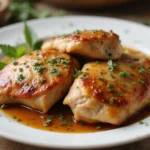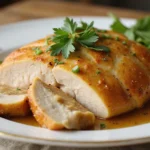
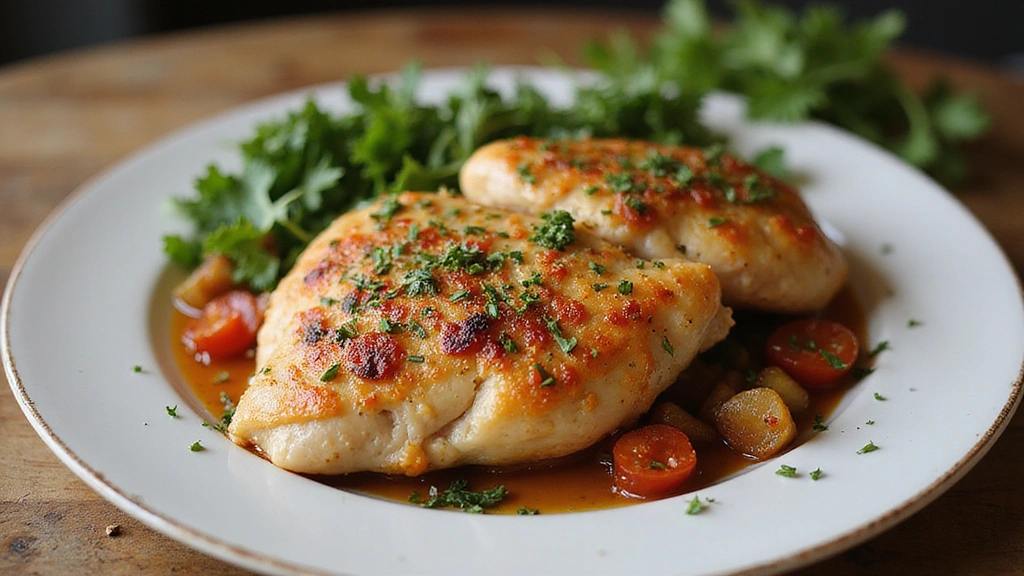
Bone in chicken breasts are a staple in many households, offering a blend of convenience and flavor that is hard to resist.
Baked to perfection, they emerge from the oven juicy and fragrant, inviting everyone to gather around the dinner table.
The rich, savory notes of garlic, herbs, and spices create a symphony of flavors that dance on your palate with each bite.
Whether it’s a weeknight dinner or a special occasion, this oven-baked dish will undoubtedly impress your family and friends.
The History and Cultural Significance
• Bone In Chicken Breast Recipes Oven Baked Juicy And Flavorful traces its origins to ancient culinary traditions, where roasting meats was a favored cooking method.
• The dish evolved over decades as various cultures introduced their own spices and techniques, eventually becoming a beloved global dish.
• In many cultures, particularly in Mediterranean and Southern American traditions, this dish traditionally appears at family gatherings and festive occasions, symbolizing togetherness and comfort.
• While many variations exist across different regions, the authentic version maintains the simple technique of roasting bone-in chicken to enhance flavor and tenderness.




Recipe Overview
Nutritional Information (per serving)





Ingredients


Essential Equipment Guide
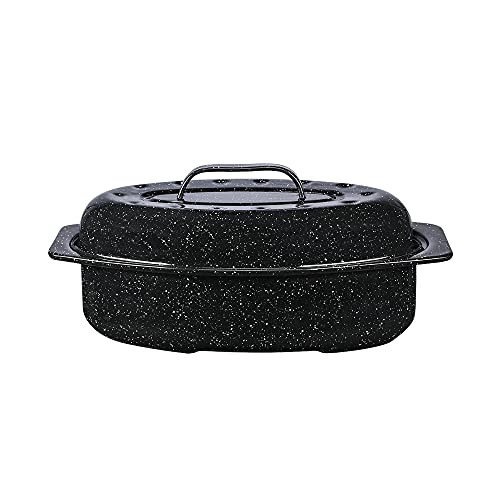
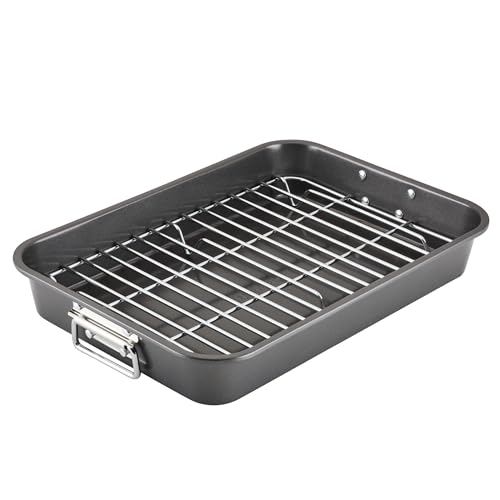
Roasting Pan: A good roasting pan is essential for even cooking and to collect the flavorful drippings. Look for one that is sturdy, has high sides, and is large enough to hold the chicken without crowding.
Meat Thermometer: This tool is crucial for ensuring your chicken is cooked perfectly without drying out. An instant-read thermometer allows you to check the internal temperature quickly and accurately.
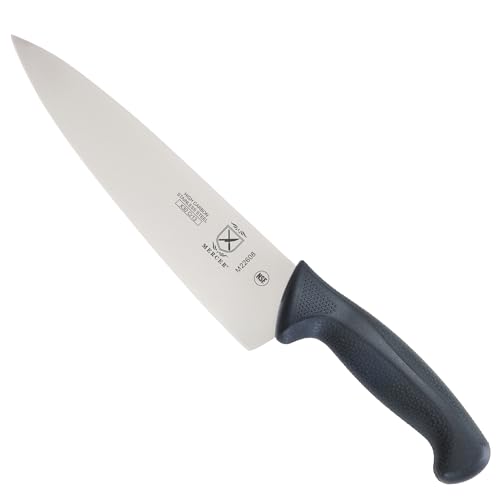
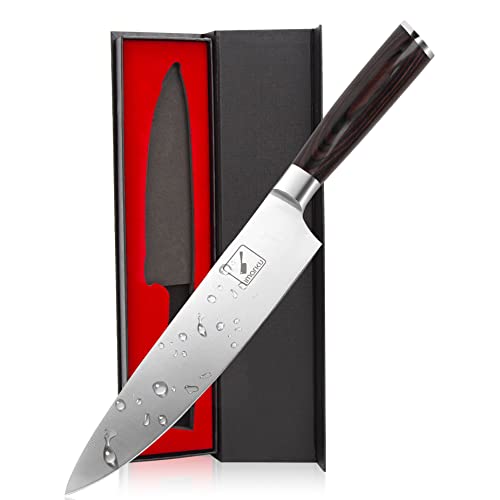
Sharp Chef’s Knife: A sharp knife is important for cutting the chicken into portions and handling the raw meat safely. Make sure to choose one that feels comfortable in your hand for better control.


Preparation Methods
Marinade: Marinating the chicken helps to infuse it with flavor and keeps it juicy. The longer you marinate, the more pronounced the flavors will be, so consider marinating overnight for the best results.
Trussing: Trussing the chicken helps to ensure even cooking and can result in a more attractive presentation. Use kitchen twine to tie the legs together and tuck the wings under the body.
High-Heat Roasting: Starting the cooking process at a higher temperature allows for a crispy skin while keeping the meat tender. After achieving a golden brown color, you can lower the temperature to finish cooking through.
Step 1: Prepare Marinade
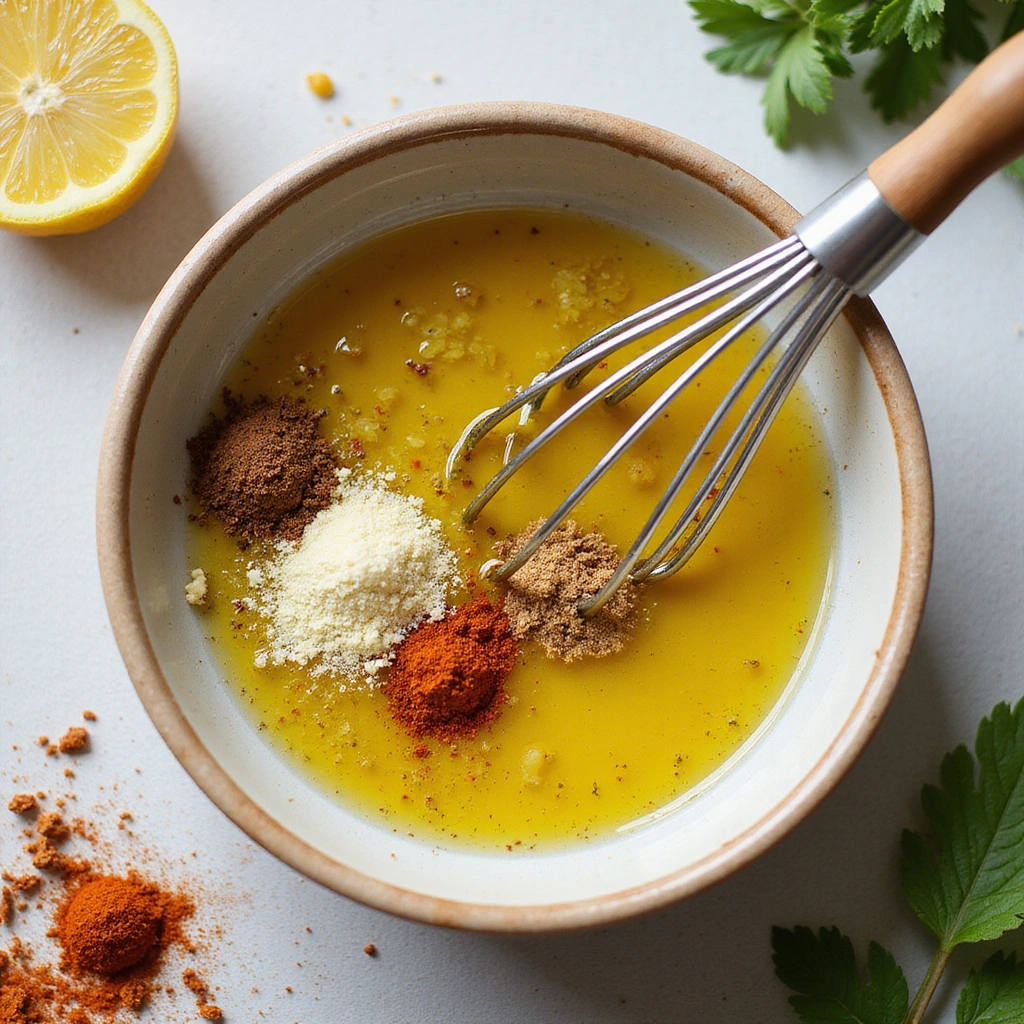
In a medium bowl, combine olive oil, garlic powder, paprika, salt, black pepper, and thyme.
Whisk the ingredients together until well blended.
This mixture will serve as both a marinade and a seasoning for the chicken.
Ensure all the chicken breasts are coated evenly for the best flavor infusion.


Step 2: Marinate Chicken
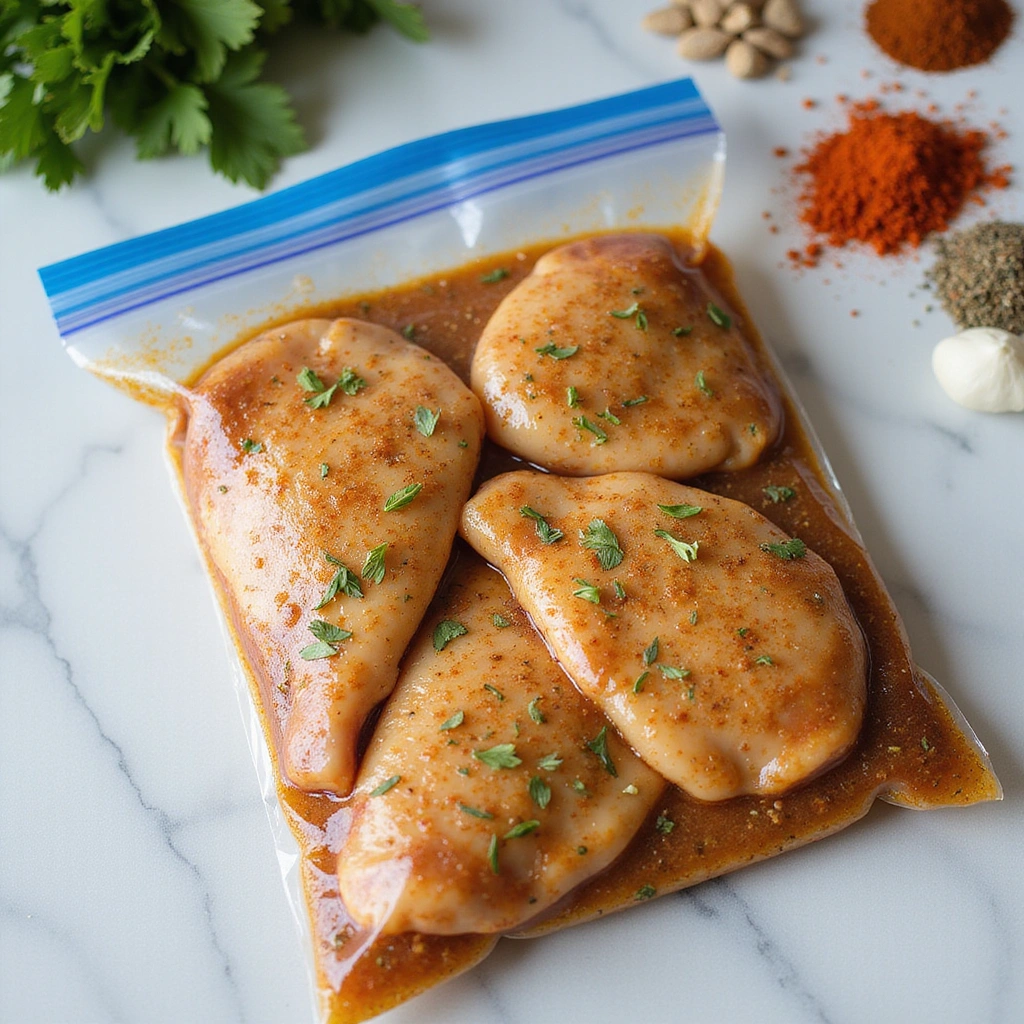
Place the bone-in chicken breasts in a large resealable plastic bag or a shallow dish.
Pour the marinade over the chicken, ensuring each piece is well coated.
Seal the bag or cover the dish and refrigerate for at least 30 minutes, or ideally overnight.
This allows the flavors to penetrate the meat thoroughly.
Step 3: Preheat Oven
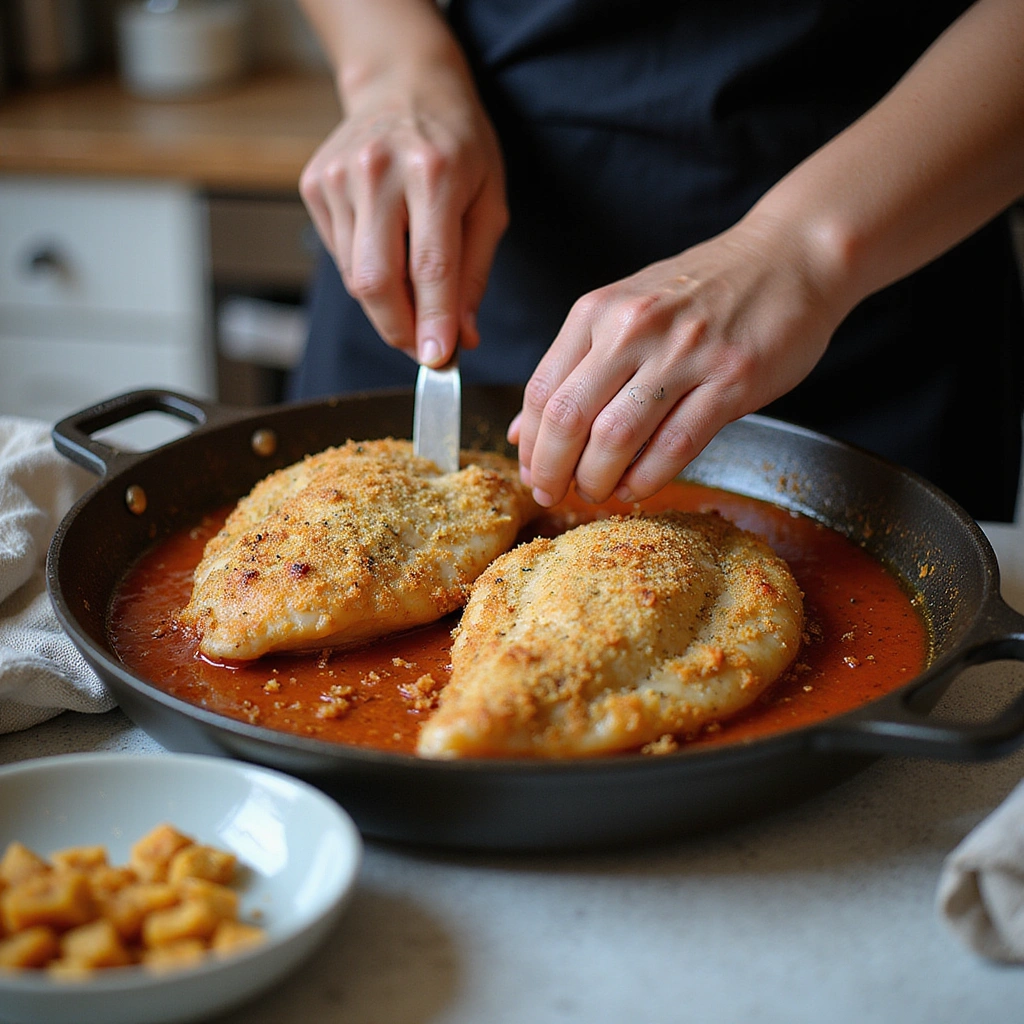
Preheat your oven to 425°F (220°C).
A hot oven is essential for achieving crispy skin and juicy meat.
Make sure to give your oven enough time to reach the desired temperature before placing the chicken inside.
This ensures that the cooking process starts immediately upon introduction of the chicken.
Step 4: Prepare Roasting Pan
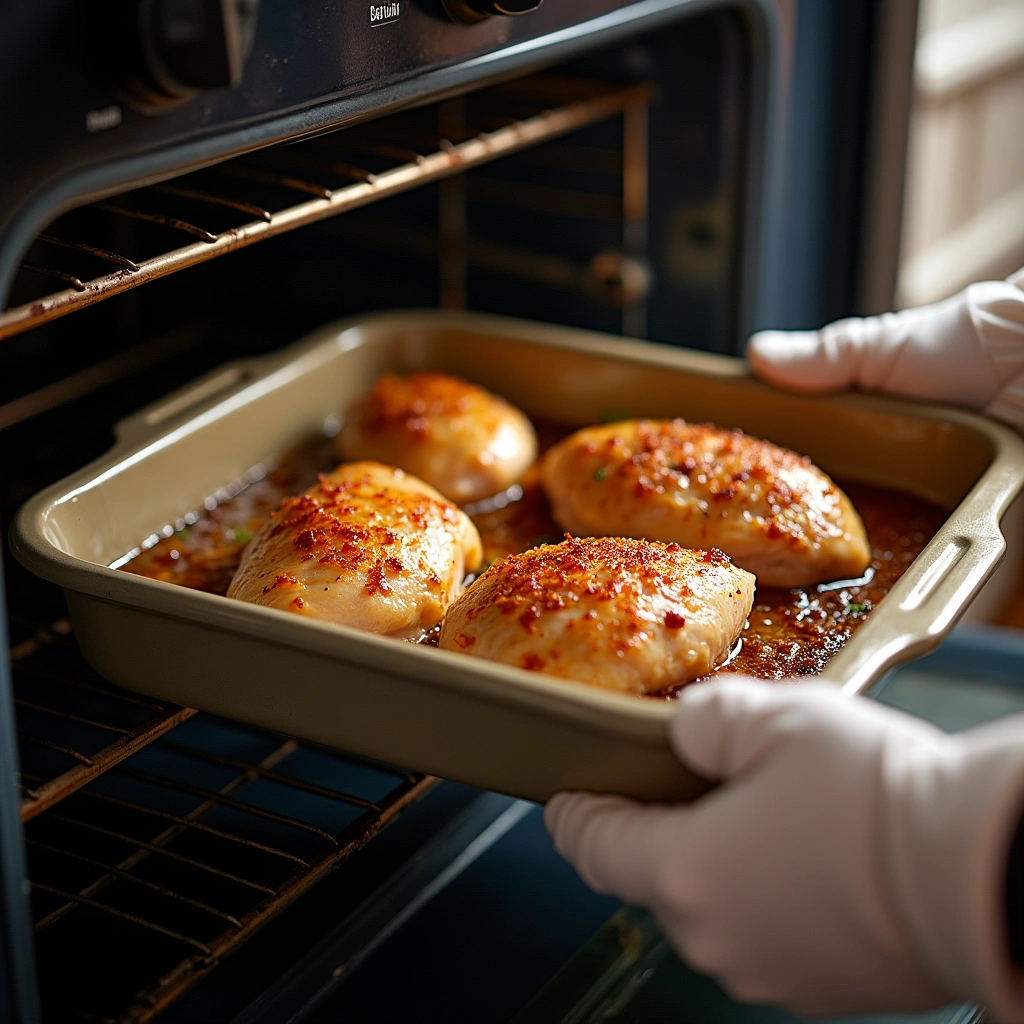
While the oven is preheating, take your roasting pan and lightly grease it with a bit of olive oil.
This prevents the chicken from sticking and helps with easy cleanup afterward.
Spread any remaining marinade from the chicken over the bottom of the pan for added flavor.
Make sure the pan is large enough to hold the chicken comfortably without crowding.




Step 5: Arrange Chicken in Pan
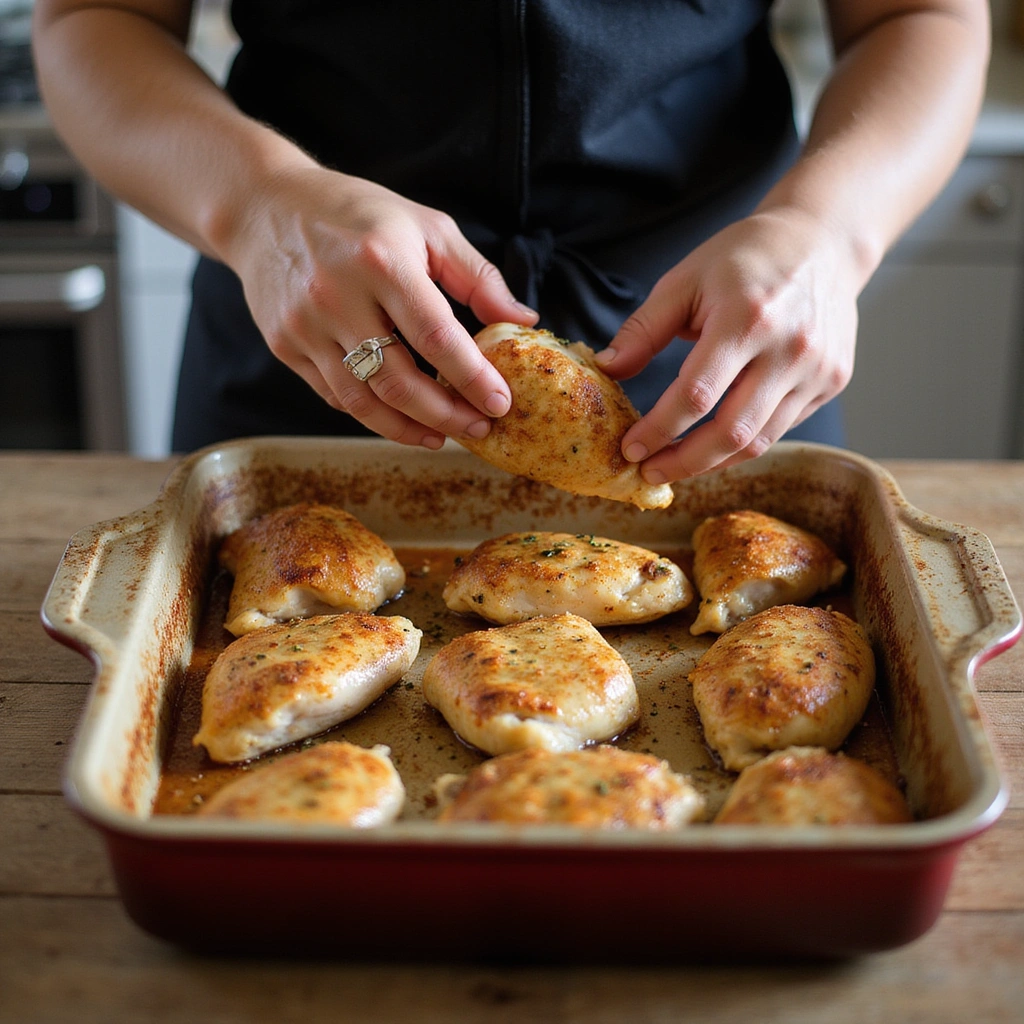
Remove the chicken from the marinade and place it skin-side up in the prepared roasting pan.
Ensure there is space between each piece to allow for even cooking.
This arrangement enhances airflow and results in a crispier finish.
Tuck the wing tips under the chicken for a neater presentation.
Step 6: Roast Chicken
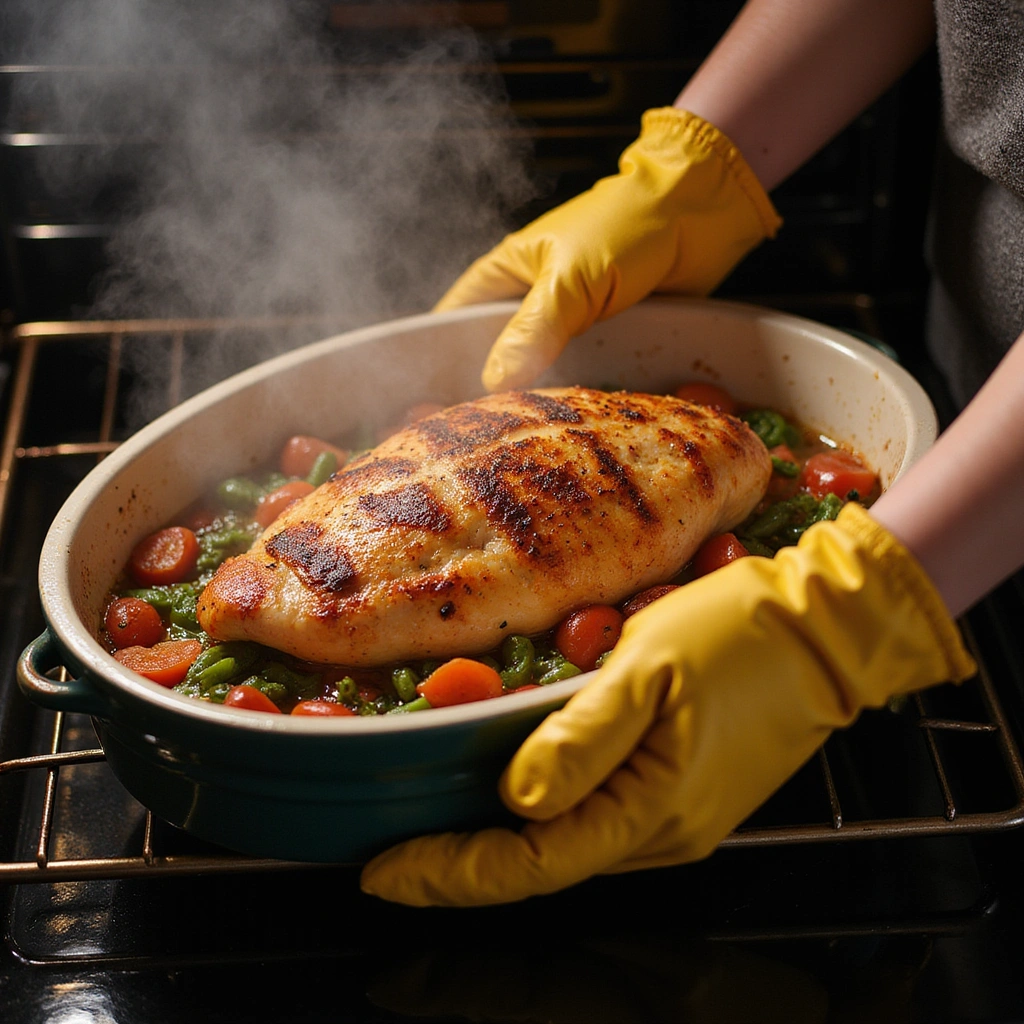
Place the roasting pan in the preheated oven.
Roast the chicken for about 25-30 minutes, or until the skin is golden brown.
Keep an eye on the chicken to avoid burning; it should be sizzling and fragrant.
After this initial roasting, reduce the oven temperature to 375°F (190°C) for the remainder of the cooking time.
Step 7: Check for Doneness
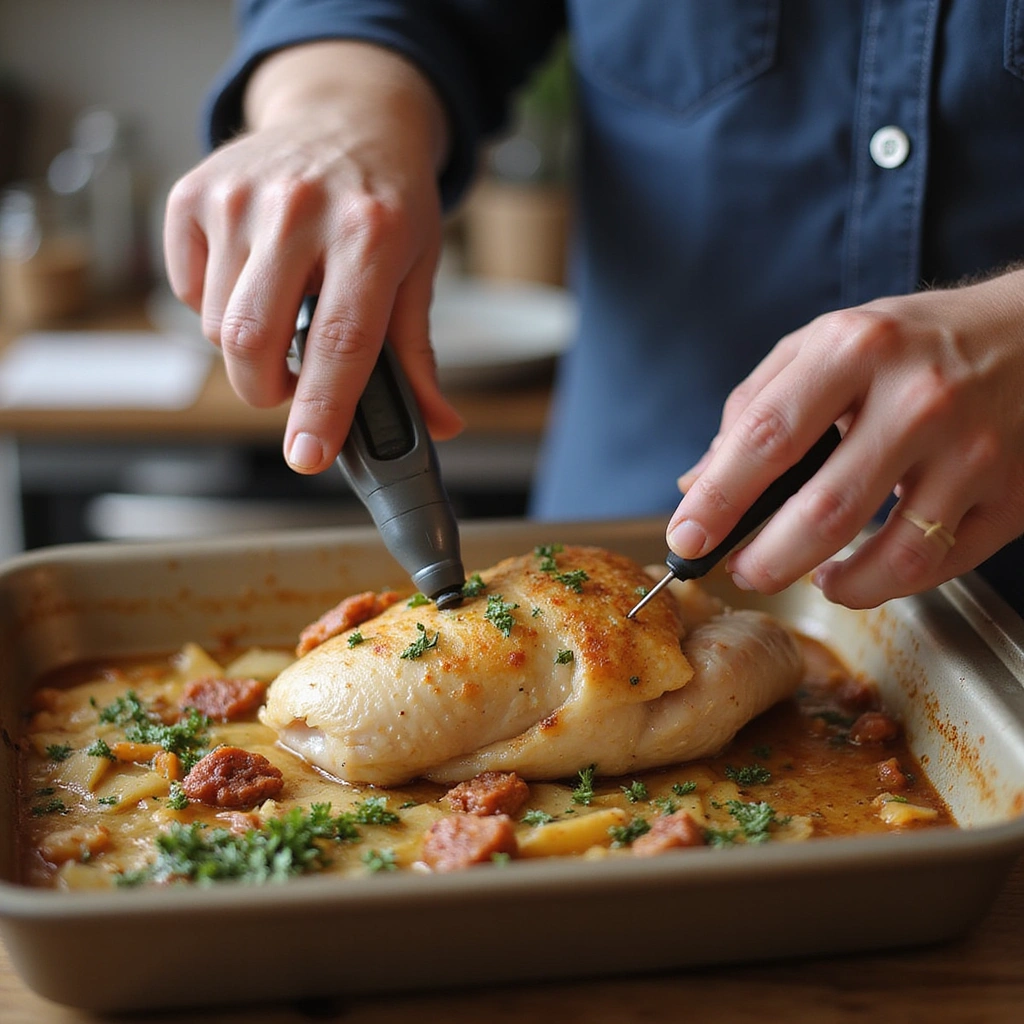
After an additional 15-20 minutes, use a meat thermometer to check the internal temperature of the chicken.
It should register at least 165°F (75°C) at the thickest part of the breast.
If it hasn’t reached this temperature, continue roasting and check every 5 minutes.
This step ensures that the chicken is safely cooked but still juicy.
Step 8: Rest and Serve
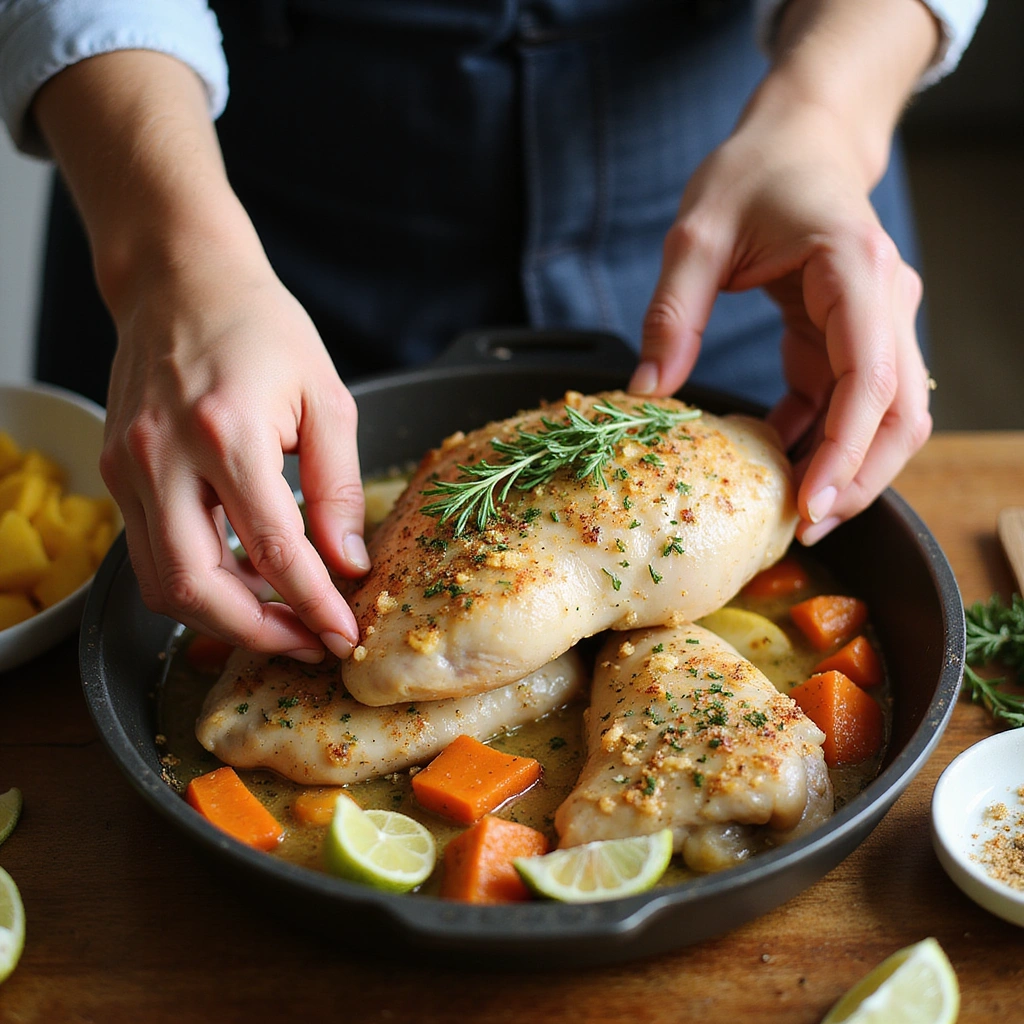
Once the chicken reaches the appropriate temperature, remove it from the oven and let it rest for about 5-10 minutes.
Resting allows the juices to redistribute, keeping the meat tender.
After resting, carefully transfer the chicken to a serving platter.
Garnish with fresh herbs if desired and serve immediately.
Critical Timing and Temperature Guide
Initial Roasting: Roast at 425°F (220°C) for 25-30 minutes until skin is golden brown, checking for burning.
Final Cooking: Lower temperature to 375°F (190°C) and cook until internal temperature reaches 165°F (75°C), checking with a thermometer.
Resting Period: Allow chicken to rest for 5-10 minutes post-cooking to ensure juiciness, avoiding immediate cutting.
Pro Tips for Bone In Chicken Breast Recipes Oven Baked Juicy And Flavorful
• Ingredient Selection: Choose organic, fresh chicken breasts for the best flavor and texture.
• Preparation Secret: Letting the chicken sit at room temperature for 30 minutes before cooking can help it cook more evenly.
• Temperature Management: Ensure your oven is fully preheated for optimal results.
• Texture Enhancement: Pat the chicken skin dry before marinating for maximum crispiness.
• Flavor Layering: Consider adding citrus zest to the marinade for a bright flavor boost.
• Make-Ahead Strategies: Marinate the chicken the night before for deep flavor infusion.
• Restaurant-Quality Finishing Touches: Drizzle with a balsamic reduction before serving for an elegant finish.
• Equipment Optimization: Use a heavy-duty roasting pan to ensure even heat distribution.
Troubleshooting Common Issues
• Chicken Too Dry: This often occurs from overcooking. Use a meat thermometer to ensure doneness without exceeding 165°F (75°C).
• Skin Not Crispy: Lack of drying before roasting can lead to sogginess. Ensure chicken skin is patted dry before applying marinade.
• Uneven Cooking: Make sure not to crowd the chicken in the roasting pan, which can trap steam. Arrange pieces with space in between.
• Flavor Lacking: Insufficient marinating time can lead to blandness. Aim for at least 30 minutes, with overnight being ideal.
• Burnt Skin: This can happen if the oven temperature is too high. Keep an eye on the chicken and adjust the temperature if necessary.



Variations and Regional Differences
• Herbes de Provence Variation: This version incorporates a mix of dried herbs like rosemary, thyme, and basil for a French twist.
• Spicy Cajun Style: Adding Cajun spices brings a kick, making the dish popular in Southern cuisine.
• Asian-Inspired Glaze: Using soy sauce, ginger, and sesame oil in the marinade gives the chicken an Asian flavor profile.
• Modern Interpretations: Consider using a sous-vide technique for precise cooking, followed by a quick sear for texture.


Food Science Behind the Recipe
• Maillard Reaction: This chemical reaction between amino acids and reducing sugars gives roasted chicken its rich, brown color and complex flavor.
• Marination: The salt in the marinade helps to break down proteins, making the meat more tender while adding flavor.
• Resting: Allowing meat to rest post-cooking lets the juices redistribute, preventing dryness when sliced.


Frequently Asked Questions
What’s the most common mistake people make when preparing Bone In Chicken Breast? One common mistake is cooking at too high a temperature, leading to burnt skin and dry meat. Always check the internal temperature with a meat thermometer.
Can I prepare components of this dish in advance? Yes, marinating the chicken a day ahead enhances flavor. Keep it refrigerated in an airtight container.
How do I adapt this recipe for dietary restrictions? For gluten-free diets, ensure your spices and sauces are gluten-free. Substitute with tamari for soy sauce in marinades.
What’s the best way to store and reheat leftovers? Store in an airtight container in the fridge for up to 3 days. Reheat in the oven at 350°F (175°C) until warmed through to maintain texture.
Can I freeze this dish? Yes, freeze cooked chicken in an airtight container for up to 3 months. Thaw overnight in the fridge before reheating.
What wine or beverages pair best with this dish? A crisp white wine like Sauvignon Blanc complements the savory flavors nicely.
How can I scale this recipe up for a crowd? Simply multiply the ingredient amounts based on the number of servings needed, ensuring sufficient roasting space and time.
What side dishes complement this recipe best? Roasted vegetables or a fresh salad work well to balance the richness of the chicken.
How do professional chefs elevate this dish for restaurant service? They often use high-quality, seasonal ingredients and provide meticulous plating for visual appeal.
Serving and Presentation Guide
• Traditional Presentation: Serve the chicken on a rustic platter, garnished with fresh herbs like parsley or rosemary for a classic look.
• Modern Plating Ideas: Consider serving on a minimalist white plate with a drizzle of sauce and a side of colorful vegetables for a contemporary touch.
• Accompaniment Suggestions: Pair with garlic mashed potatoes or a light quinoa salad that complements the chicken’s flavors.
• Special Occasion Presentation: Elevate by arranging the chicken with seasonal fruits like pomegranate or fig for a festive touch.






Conclusion
This Bone In Chicken Breast recipe is not just a meal; it’s an experience that brings warmth and joy to the table.
With its juicy, flavorful meat and crispy skin, it’s sure to become a favorite in your household.
I encourage you to try this recipe and make it your own with different marinades and sides.