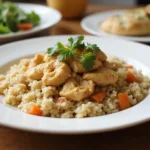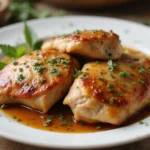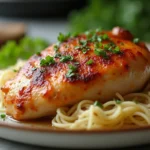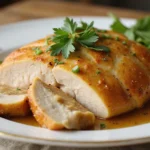
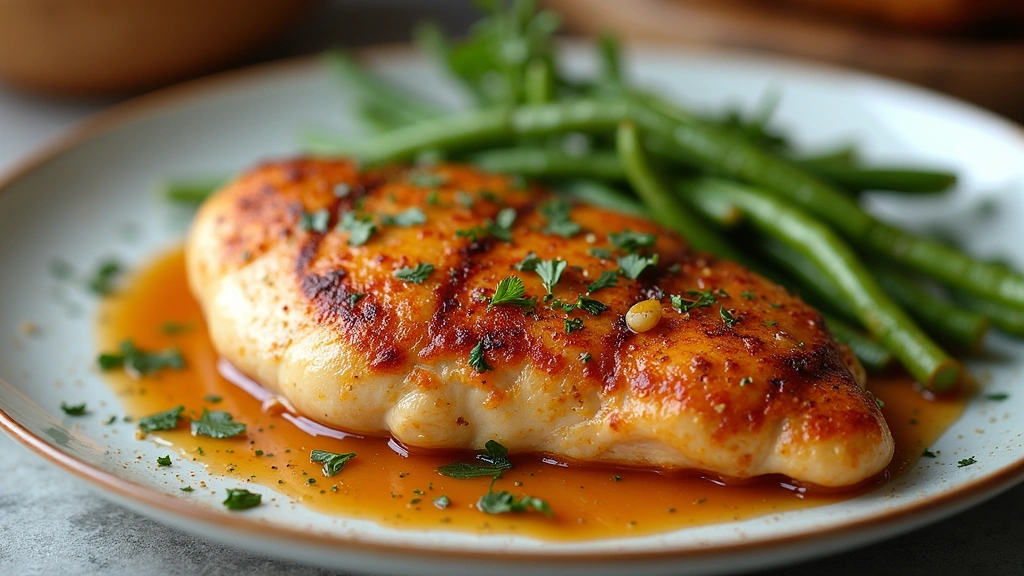
Bone in chicken breast recipes are a culinary delight that combines juicy meat with robust flavors.
The tender meat, enhanced by the bone, ensures every bite is infused with rich, savory goodness.
I fell in love with this dish during family gatherings where the aroma of roasting chicken filled the air.
Perfect for any occasion, these recipes promise to impress both family and friends with their depth of flavor and simplicity.
The History and Cultural Significance
• Bone in chicken breast recipes have their roots in traditional home cooking, with origins traced back to various cultures around the world.
• Over time, cooking methods evolved from simple roasting over an open fire to more sophisticated techniques, enhancing flavors and textures.
• In many cultures, roasted chicken is a centerpiece for celebrations, symbolizing abundance and togetherness.
• While variations exist globally, the use of bone-in chicken is a hallmark that ensures moisture and flavor, setting it apart from boneless alternatives.




Recipe Overview
Nutritional Information (per serving)




Ingredients


Essential Equipment Guide
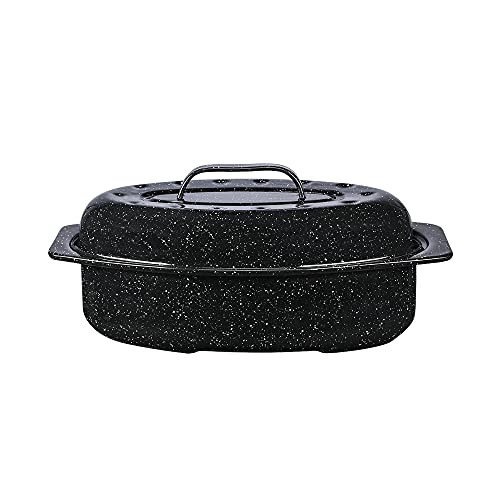
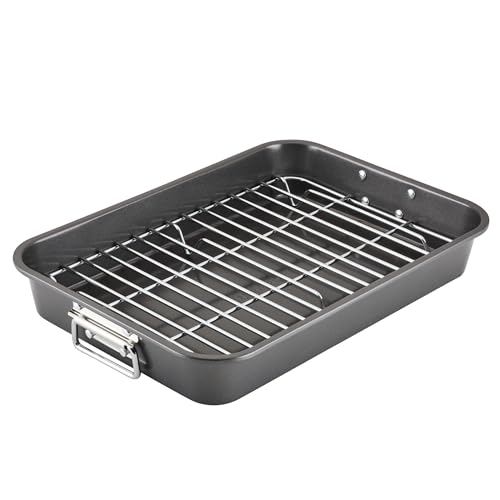
Roasting Pan: A sturdy roasting pan is crucial for even cooking and allows for proper airflow around the chicken. Look for one with high sides to catch drippings, or consider a cast iron skillet for excellent heat retention.
Meat Thermometer: This tool is vital for ensuring your chicken is cooked to the perfect internal temperature, preventing undercooking or drying out. Choose one that provides quick readings and is easy to clean.
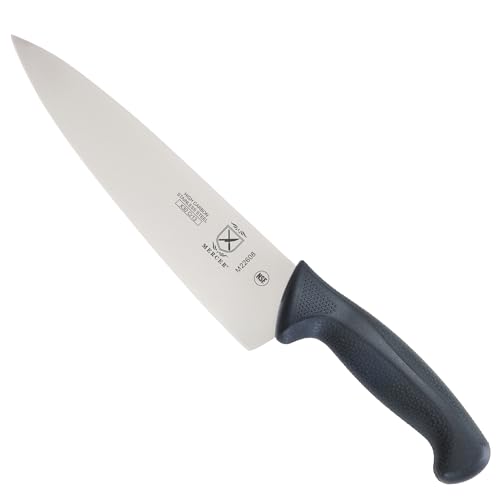
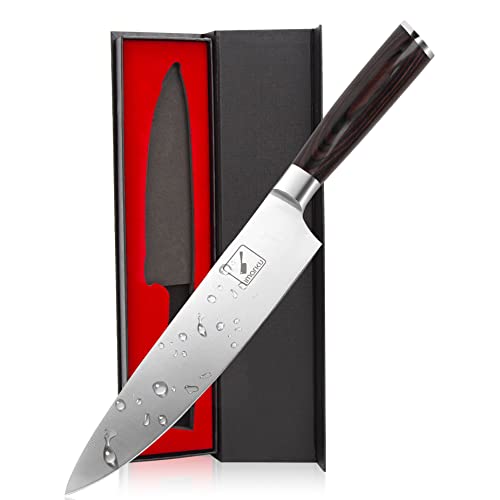
Sharp Chef’s Knife: A sharp knife is essential for cutting through the chicken once it’s cooked. It ensures clean cuts and helps maintain the integrity of the meat.


Preparation Methods
Marinating: Marinating is essential to infuse the chicken with flavor and moisture. Allow at least 30 minutes, but overnight is ideal for maximum flavor penetration.
Trussing: Trussing helps ensure even cooking by keeping the chicken’s shape intact. Use kitchen twine to tie the legs together, which helps the chicken cook uniformly.
Resting: Letting the chicken rest after cooking allows juices to redistribute, ensuring a moist result. Aim for at least 10 minutes before slicing.
Step 1: Prepare the Marinade
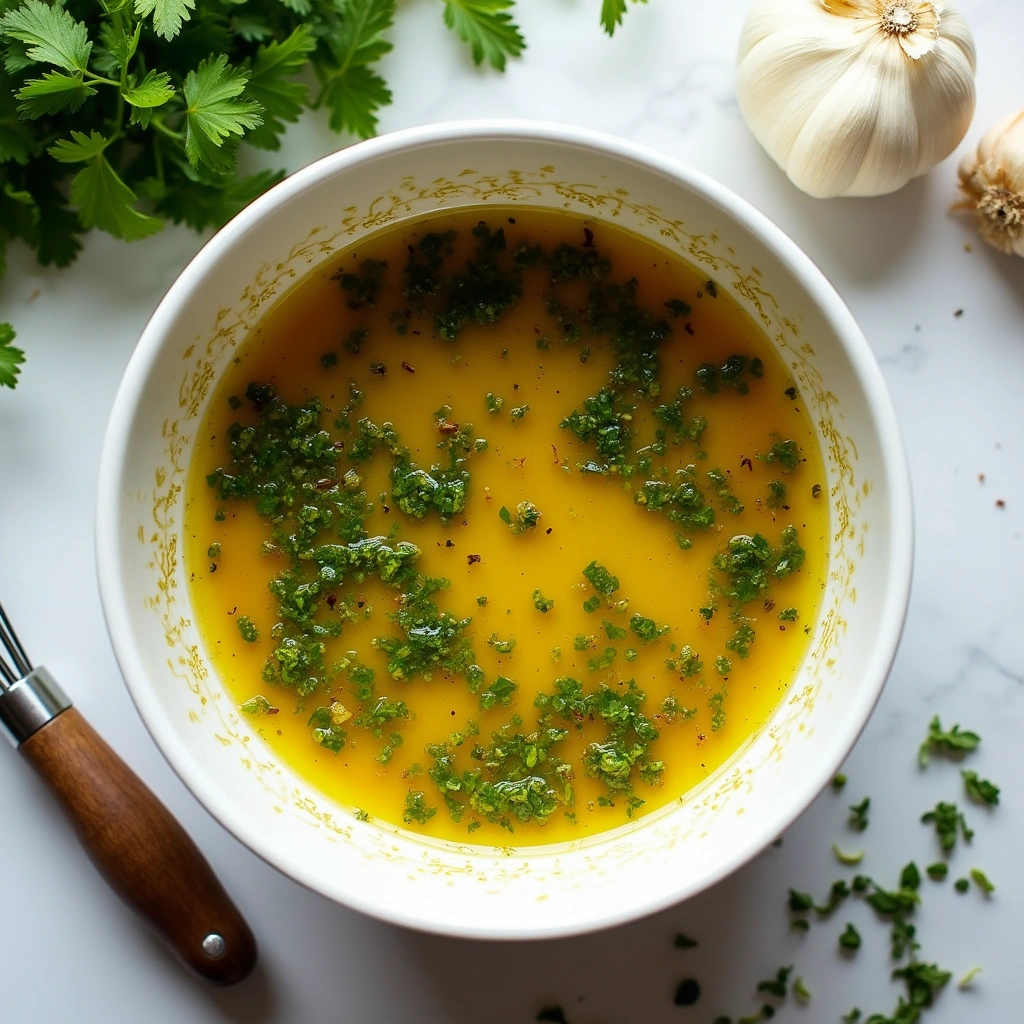
In a bowl, combine olive oil, minced garlic, chopped rosemary, lemon juice, salt, and black pepper.
Whisk the ingredients together until well blended.
This marinade should have a fragrant aroma and a slightly thick consistency.
Ensure the chicken is coated evenly before marinating.


Step 2: Marinate the Chicken
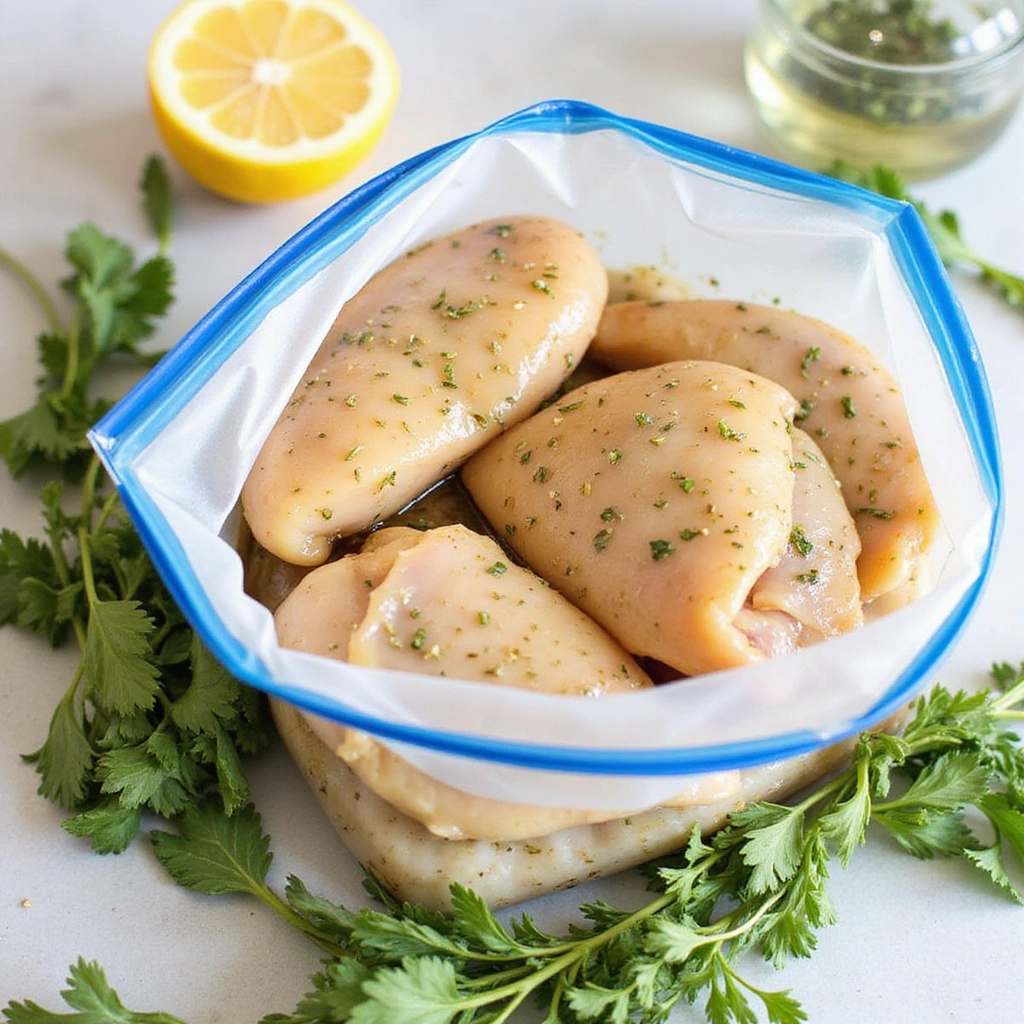
Place the chicken breasts into a large resealable bag or shallow dish.
Pour the marinade over the chicken, ensuring each piece is well-coated.
Seal the bag or cover the dish and refrigerate for at least 30 minutes or overnight for best results.
This step is crucial for maximizing flavor absorption into the meat.
Step 3: Preheat the Oven
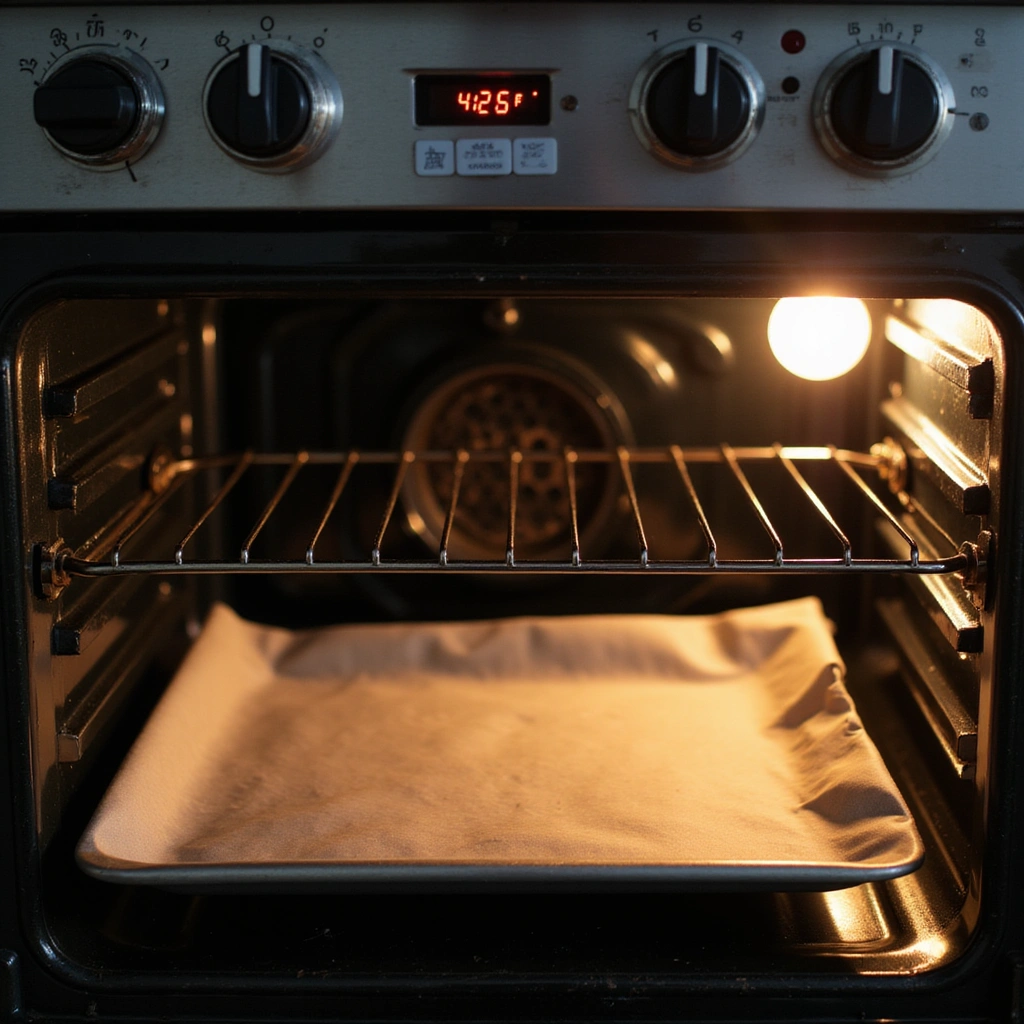
Preheat your oven to 425°F (220°C).
This high temperature is essential for achieving a crispy skin while keeping the meat juicy.
Allow the oven to fully preheat before placing the chicken inside.
Using an oven thermometer can help ensure accuracy.
Step 4: Prepare the Roasting Pan
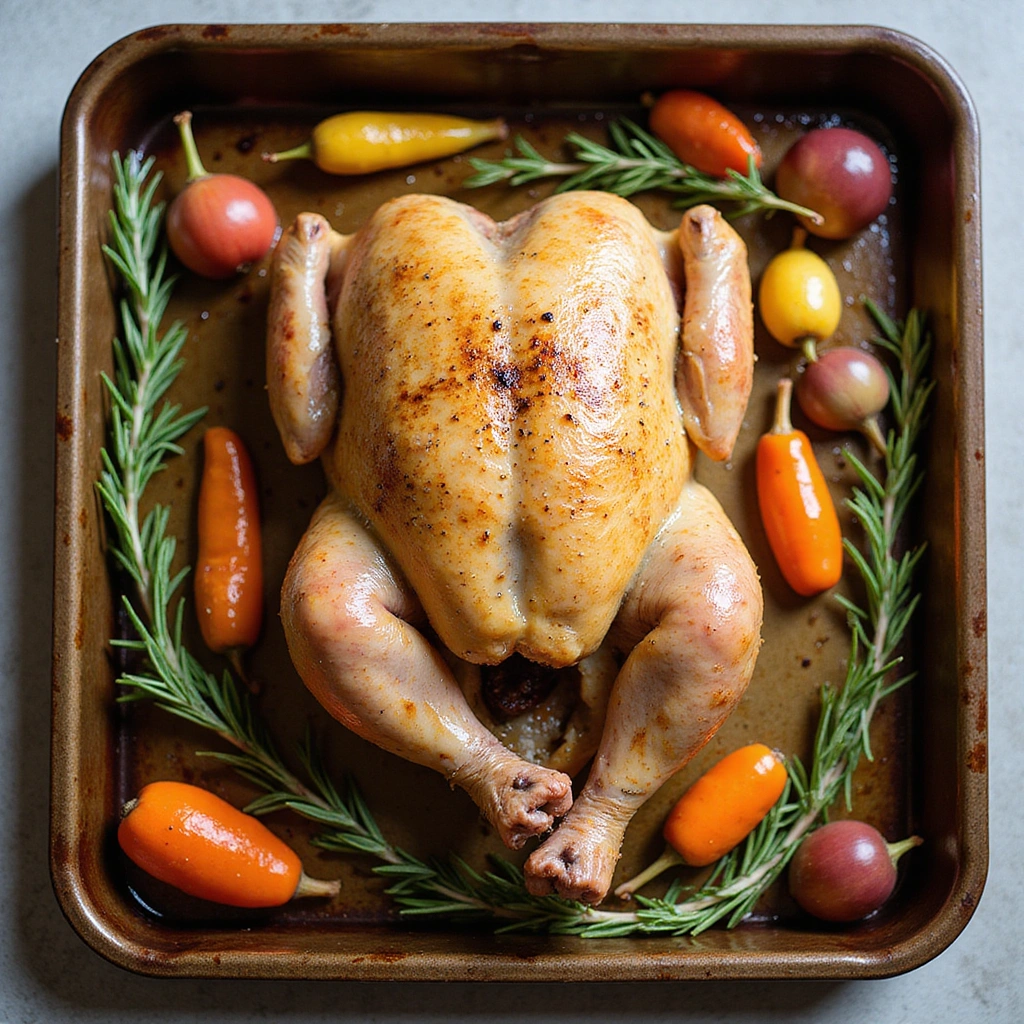
Take a roasting pan and lightly oil the bottom to prevent sticking.
Arrange the chicken breasts skin-side up in the pan, ensuring they are not overcrowded.
This allows for even cooking and browning on all sides.
You can also add vegetables around the chicken for a one-pan meal.




Step 5: Roast the Chicken
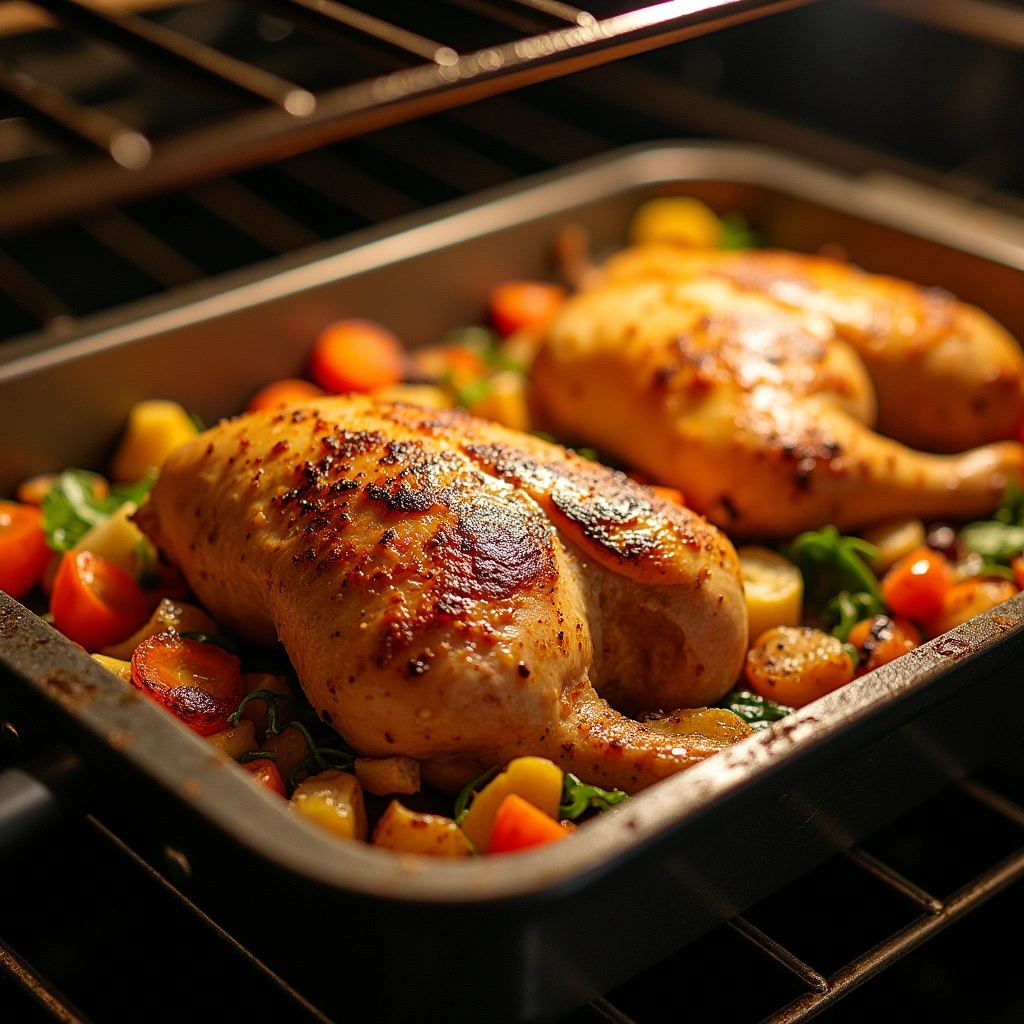
Place the roasting pan in the preheated oven and roast for 40-45 minutes.
The chicken should reach an internal temperature of 165°F (75°C) for safe consumption.
Keep an eye on the skin; it should turn golden brown and crispy.
Baste the chicken halfway through for extra moisture.
Step 6: Check for Doneness
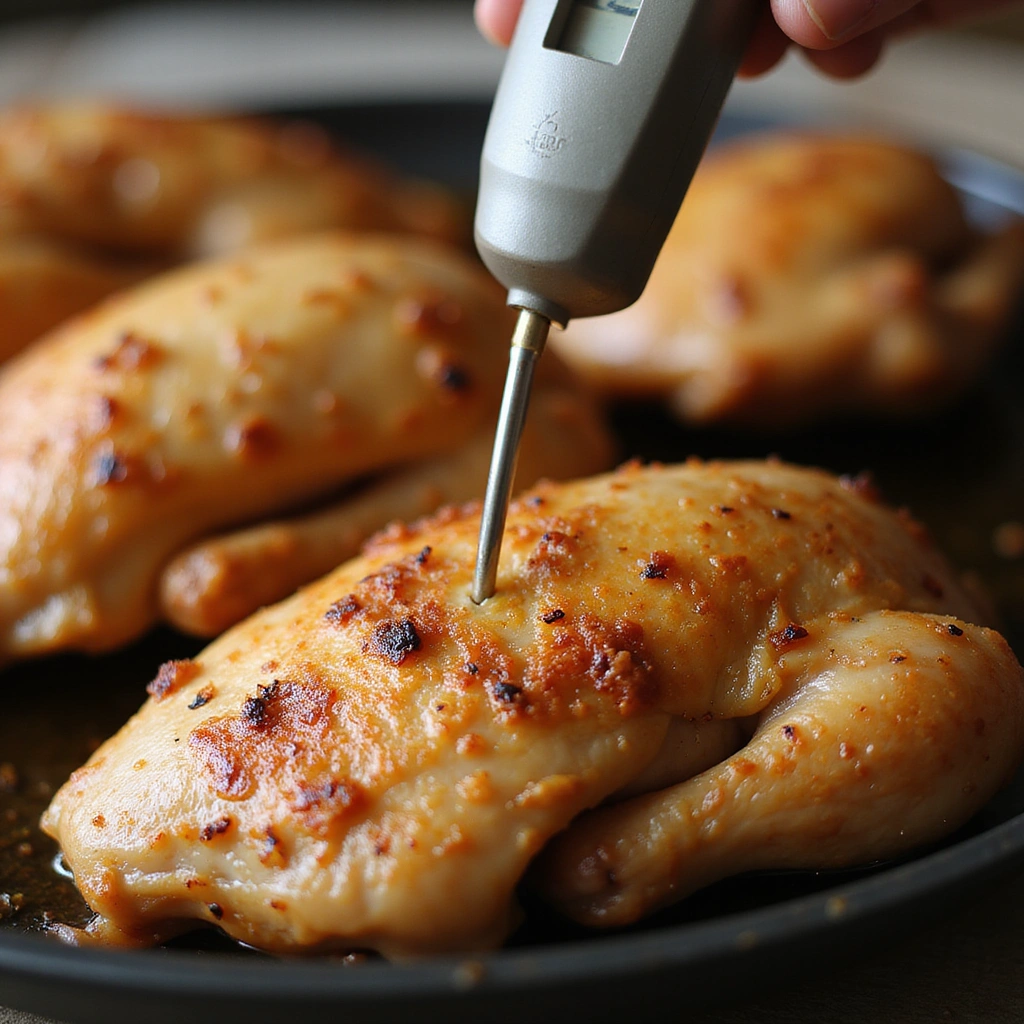
Use a meat thermometer to check the internal temperature of the chicken.
Insert the thermometer into the thickest part of the breast without touching the bone.
Once it reads 165°F (75°C), the chicken is done.
If it hasn’t reached this temperature, continue roasting and check again after a few minutes.
Step 7: Rest the Chicken
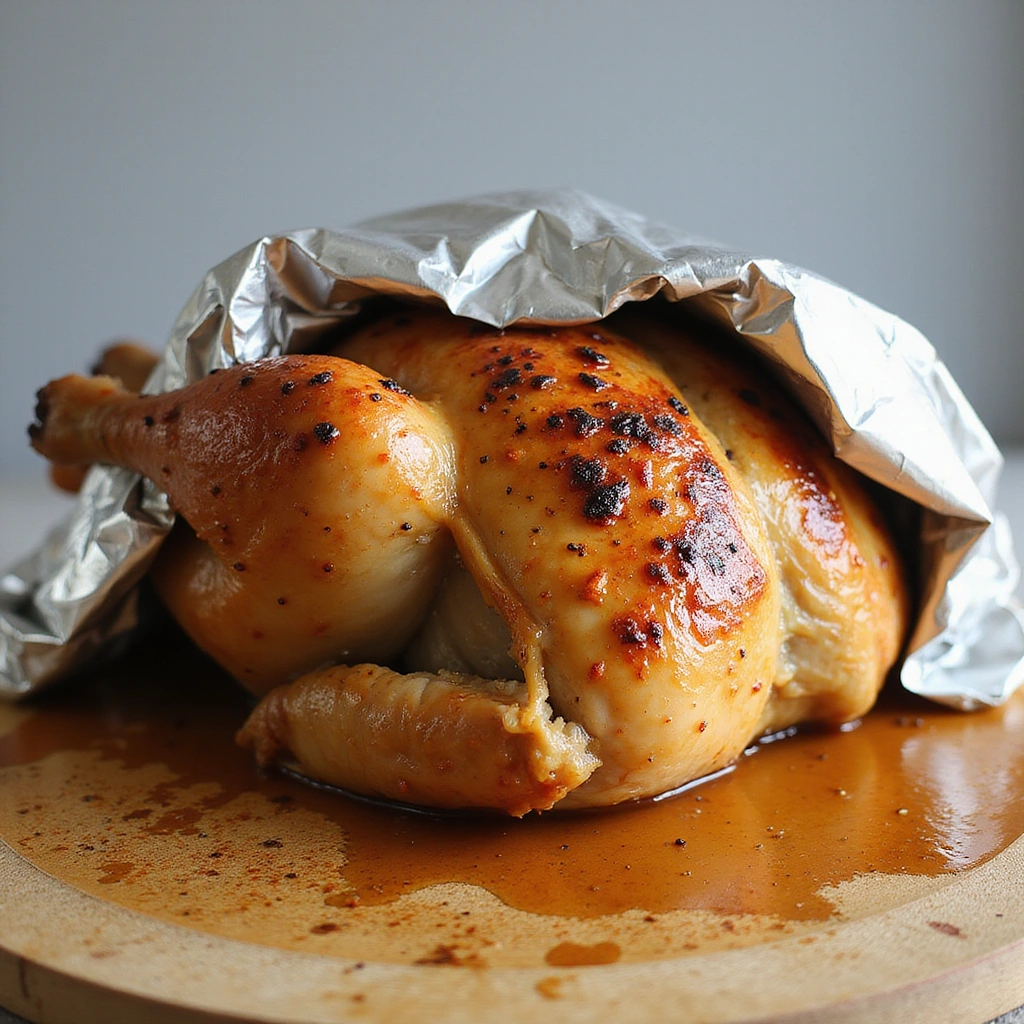
Once the chicken is cooked, remove it from the oven and let it rest for 10 minutes.
Cover it loosely with foil to keep it warm while the juices redistribute.
This step is crucial for achieving a tender, juicy bite.
Slicing too early will result in juices running out.


Step 8: Serve and Enjoy
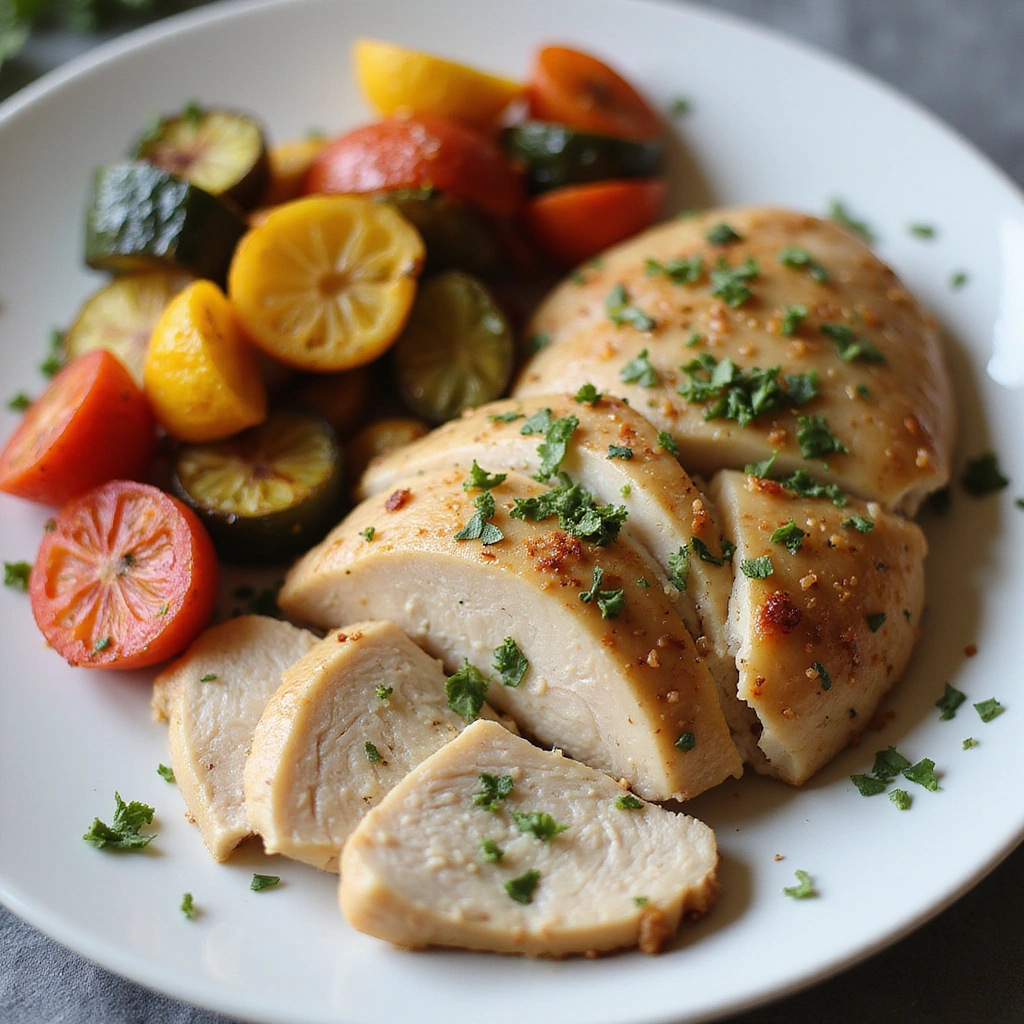
Slice the chicken against the grain for optimal tenderness.
Plate it with your choice of sides, such as roasted vegetables or a fresh salad.
Drizzle any remaining pan juices over the chicken for added flavor.
Garnish with fresh herbs for a beautiful presentation.


Critical Timing and Temperature Guide
Roasting Chicken: Roast for 40-45 minutes at 425°F (220°C). Look for golden-brown skin and an internal temperature of 165°F (75°C) for doneness. Avoid opening the oven too frequently, which can lower the temperature.
Resting Time: Allow the chicken to rest for 10 minutes after roasting. This helps retain juices and enhances flavor. Cutting too soon will lead to dryness.
Marinating Time: Marinate for at least 30 minutes, but overnight is best. This enhances flavor and tenderness. Skipping this can result in bland chicken.
Pro Tips for Bone In Chicken Breast Recipes Juicy And Flavorful
• Ingredient Selection: Choose high-quality chicken, preferably organic or free-range, for the best flavor and texture.
• Preparation Secret: For even more flavor, consider brining the chicken for a few hours before marinating.
• Temperature Management: Ensure your oven is fully preheated to avoid uneven cooking.
• Texture Enhancement: Basting the chicken during roasting helps maintain moisture and adds flavor.
• Flavor Layering: Incorporate citrus zest into the marinade for an extra layer of brightness.
• Make-Ahead Strategies: Marinate the chicken a day in advance for a quicker cooking time on the day of serving.
• Restaurant-Quality Finishing Touches: Drizzle with a homemade herb-infused oil before serving for a gourmet touch.
• Equipment Optimization: Use a heavy-duty roasting pan to ensure even heat distribution.
Troubleshooting Common Issues
• Chicken Dry or Overcooked: This can happen if the cooking time is too long or the oven temperature is too high. Use a thermometer to ensure accurate cooking times and remove the chicken promptly at 165°F (75°C).
• Flavor Lacking: If the chicken tastes bland, ensure to marinate adequately. Consider adding more seasoning or herbs to the marinade next time.
• Skin Not Crispy: Ensure the chicken is dry before marinating, and avoid covering it during roasting. High heat is crucial for crispy skin.
• Uneven Cooking: If chicken cooks unevenly, check your oven’s temperature accuracy. Rotate the pan halfway through cooking for even browning.
• Too Much Grease: If the chicken is too greasy, trim excess fat before cooking and ensure the pan is not overcrowded to allow for proper airflow.
Variations and Regional Differences
• Herb-Crusted Variation: In Provence, France, chefs often use a blend of dried herbs and garlic to create a fragrant crust on the chicken, enhancing its flavor profile with local herbs like thyme and oregano.
• Spicy Southern Style: In the Southern United States, a blend of cayenne and paprika is often added to the marinade for a spicy kick, served with classic sides like cornbread and collard greens.
• Asian-Inspired Glaze: In Asian cuisine, a soy sauce and ginger marinade is used, giving the chicken a sweet and savory flavor, often accompanied by rice and stir-fried vegetables.
• Modern Interpretations: Contemporary versions may incorporate health-oriented ingredients, such as coconut oil or gluten-free grains, for a modern twist while keeping the chicken juicy.


Food Science Behind the Recipe
• Marinade Chemistry: The acid in marinades (like lemon juice) helps break down proteins, resulting in tender meat. This is crucial for bone-in chicken, as it allows flavors to penetrate deeper.
• Maillard Reaction: The browning of the chicken skin during roasting is due to the Maillard reaction, which enhances flavor and texture. High heat promotes this chemical reaction for a crispy exterior.
• Juice Redistribution: Allowing the chicken to rest after cooking is essential for juice redistribution. Cutting too early can release moisture, leading to dry chicken.



Frequently Asked Questions
What’s the most common mistake people make when preparing bone in chicken breast? The most common mistake is not using a meat thermometer, leading to overcooked or undercooked chicken. Always check the internal temperature.
Can I prepare components of this dish in advance? Yes, you can marinate the chicken a day ahead. Just keep it refrigerated and take it out 30 minutes before cooking to bring it to room temperature.
How do I adapt this recipe for dietary restrictions? You can use gluten-free soy sauce in the marinade for a gluten-free option. Adjust the salt to taste if you’re monitoring sodium intake.
What’s the best way to store and reheat leftovers? Store leftovers in an airtight container in the fridge for up to 3 days. Reheat in the oven at 350°F (175°C) for about 15 minutes to maintain moisture.
Can I freeze this dish? Yes, you can freeze cooked chicken. Place it in an airtight container or freezer bag for up to 3 months. Thaw in the fridge overnight before reheating.
What wine or beverages pair best with this dish? A crisp Chardonnay or a light Pinot Noir complements the flavors of roasted chicken beautifully.
How can I scale this recipe up for a crowd? Simply multiply the ingredients accordingly, but make sure to use a larger roasting pan and adjust cooking time as necessary, checking each piece for doneness.
What side dishes complement this recipe best? Roasted vegetables, garlic mashed potatoes, or a fresh green salad pair wonderfully with bone-in chicken.
How do professional chefs elevate this dish for restaurant service? Chefs often add a sauce made from the pan drippings or serve with a side of seasonal vegetables for a gourmet touch.
Serving and Presentation Guide
• Traditional Presentation: Serve the chicken on a large wooden or ceramic platter, garnished with fresh herbs and lemon wedges for a rustic feel.
• Modern Plating Ideas: For a contemporary look, slice the chicken and fan it out on a white plate, drizzle with sauce, and add a side of colorful vegetables arranged artistically.
• Accompaniment Suggestions: Consider pairing with a light, citrusy salad or roasted root vegetables for a balanced meal.
• Special Occasion Presentation: For special occasions, serve with a homemade sauce or glaze, and garnish with microgreens or edible flowers for a sophisticated touch.
Conclusion
Try making bone-in chicken breast recipes for a delightful dining experience that’s both easy and rewarding.
With the right techniques and ingredients, you can create a dish that impresses at any gathering.
Embrace the flavors and traditions, and enjoy sharing this comforting meal with loved ones.