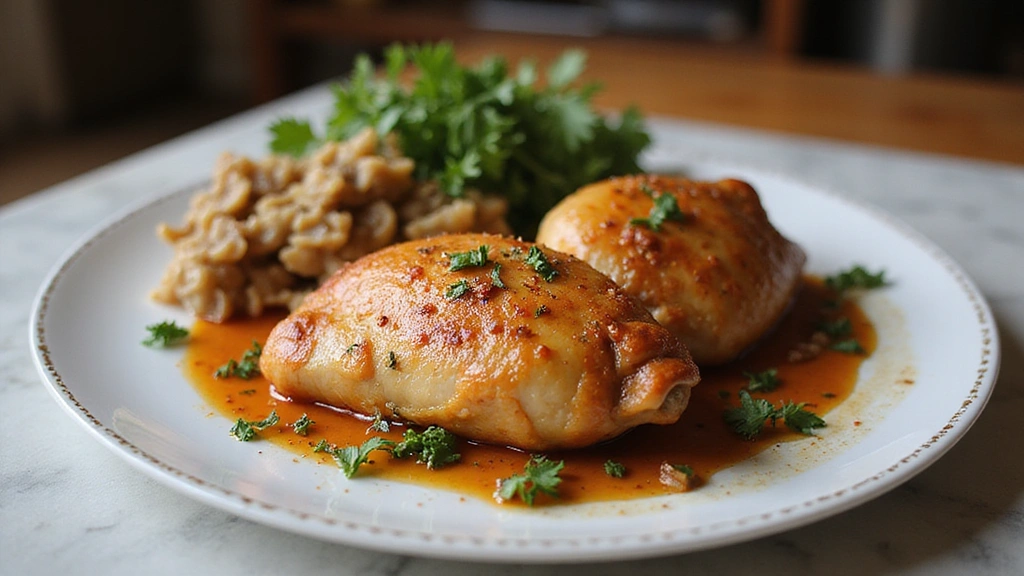
Chicken leg quarters are a beloved comfort food, cherished for their rich flavor and tender meat.
Baking them in the oven results in a crispy skin that locks in juiciness, creating a satisfying contrast in every bite.
This recipe is a favorite in my family, often prepared for gatherings where everyone can enjoy its deliciousness.
Whether you’re hosting a casual Sunday dinner or a festive holiday feast, these oven-baked chicken leg quarters will impress your guests with minimal effort.
The History and Cultural Significance
• Chicken leg quarter recipes have roots that trace back to ancient culinary practices, particularly in regions where poultry was a staple protein source.
• Over the years, the method of roasting and baking has evolved, with modern techniques enhancing the flavor and texture.
• In Southern American cuisine, this dish is often served during family reunions and picnics, symbolizing togetherness and comfort.
• While variations exist globally, the essence of crispy skin and juicy meat remains a defining characteristic of the dish.




Recipe Overview
Nutritional Information (per serving)




Ingredients


Essential Equipment Guide
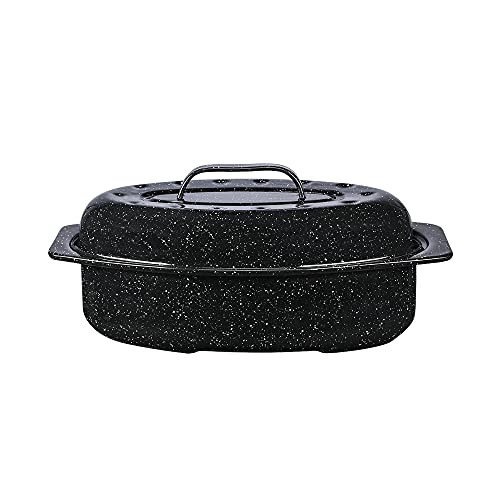
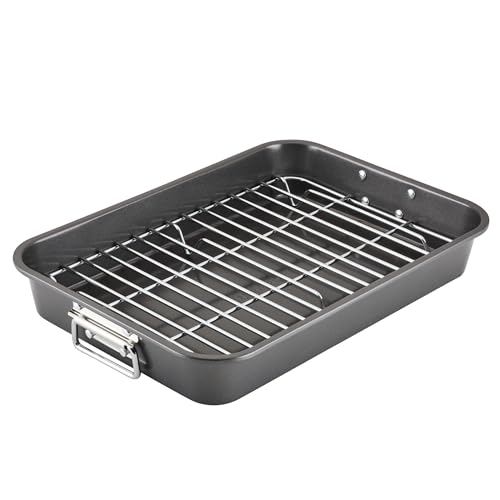
Roasting Pan: A roasting pan is crucial for even heat distribution, ensuring that the chicken cooks uniformly.
A heavy-duty pan with a rack is ideal, allowing air to circulate around the chicken for crispy skin.
If a roasting pan is unavailable, a large baking sheet can serve as an alternative, though you may need to flip the chicken for even cooking.
Meat Thermometer: This tool is essential for checking the internal temperature of the chicken.
Using a meat thermometer ensures that you achieve perfect doneness without overcooking, preventing dry meat.
Look for one with a quick-read feature for convenience.
Aluminum Foil: Foil is handy for covering the chicken during cooking to retain moisture and prevent excess browning.
You can also use it to tent the chicken during the resting phase, allowing juices to redistribute.
Opt for heavy-duty foil to withstand high heat.




Preparation Methods
Marinade Application: Properly marinating the chicken leg quarters is crucial for flavor enhancement.
Make sure to coat the chicken evenly with the marinade and allow it to sit for at least 30 minutes.
This process allows the flavors to penetrate the meat, ensuring a tasty result.
Resting the Chicken: After baking, let the chicken rest before serving.
Resting allows the juices to redistribute, preventing dryness when you cut into the meat.
A good rule of thumb is to let it rest for about 10 minutes under a tent of foil.
High-Heat Roasting: Baking at a high temperature ensures that the skin becomes crispy while keeping the meat juicy.
Preheat your oven to 425°F for optimal results.
Monitor the chicken closely in the last few minutes to avoid burning the skin.


Step 1: Prepare Marinade
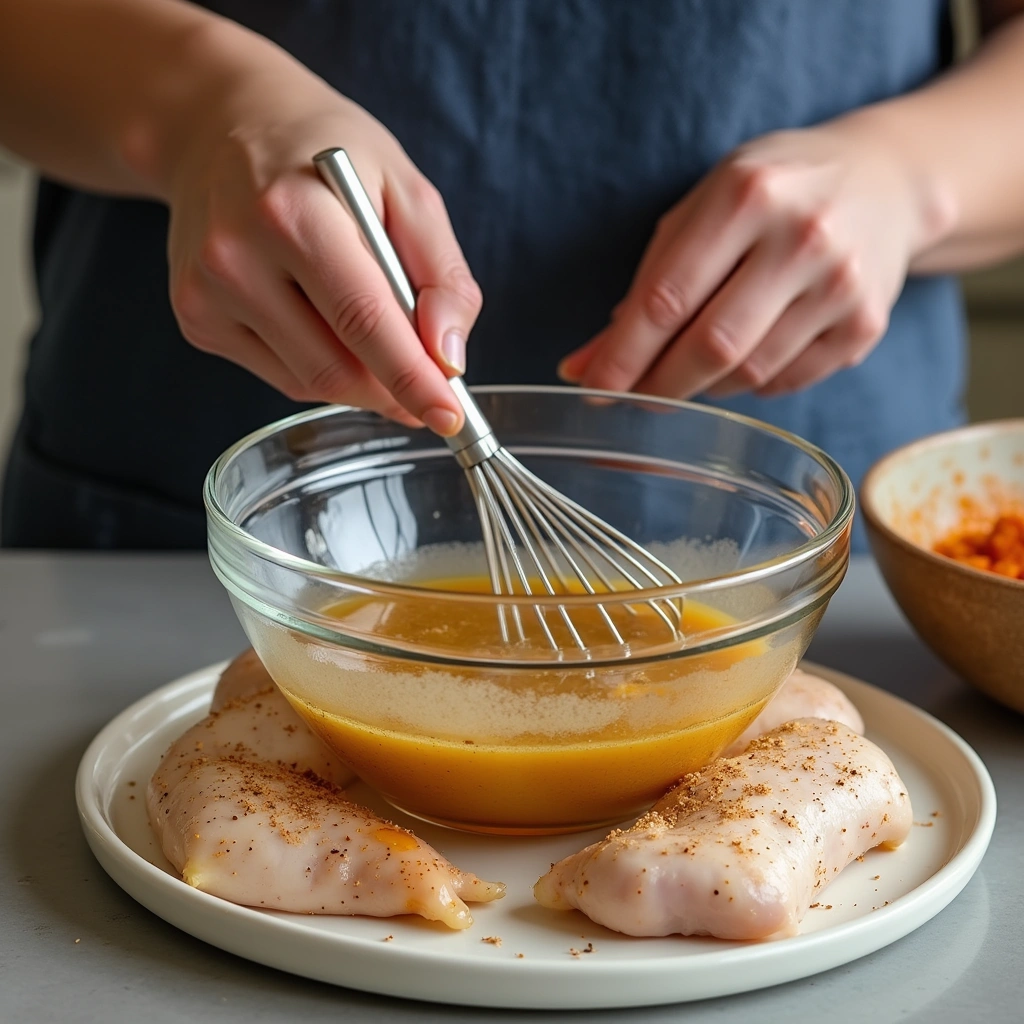
In a bowl, combine olive oil, garlic powder, paprika, salt, black pepper, and dried thyme.
Whisk the ingredients together until well blended.
The marinade should have a smooth consistency without any lumps.
Set aside while you prepare the chicken.



Step 2: Season Chicken Leg Quarters
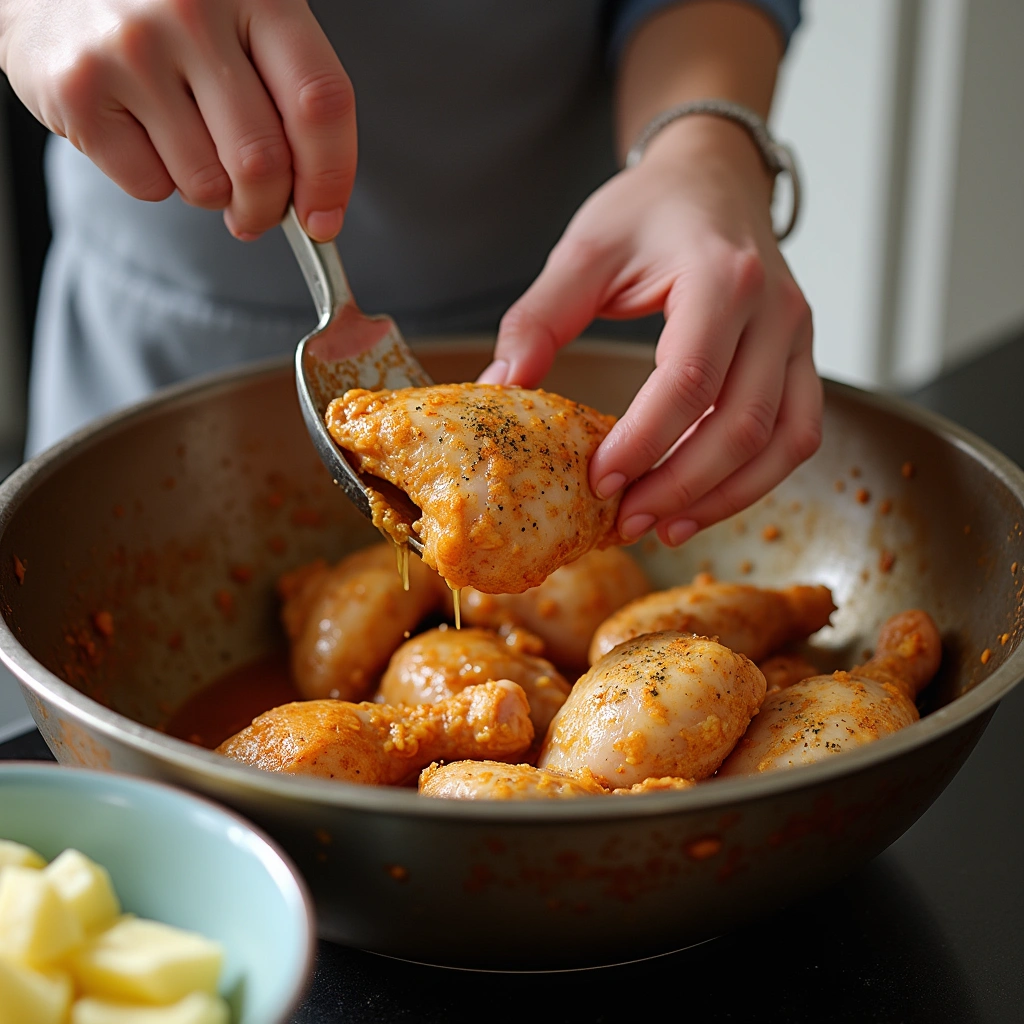
Place the chicken leg quarters in a large mixing bowl.
Pour the marinade over the chicken, ensuring each piece is evenly coated.
Use your hands to massage the marinade into the skin and meat for maximum flavor.
Let the chicken marinate for at least 30 minutes at room temperature or up to overnight in the refrigerator.
Step 3: Preheat Oven
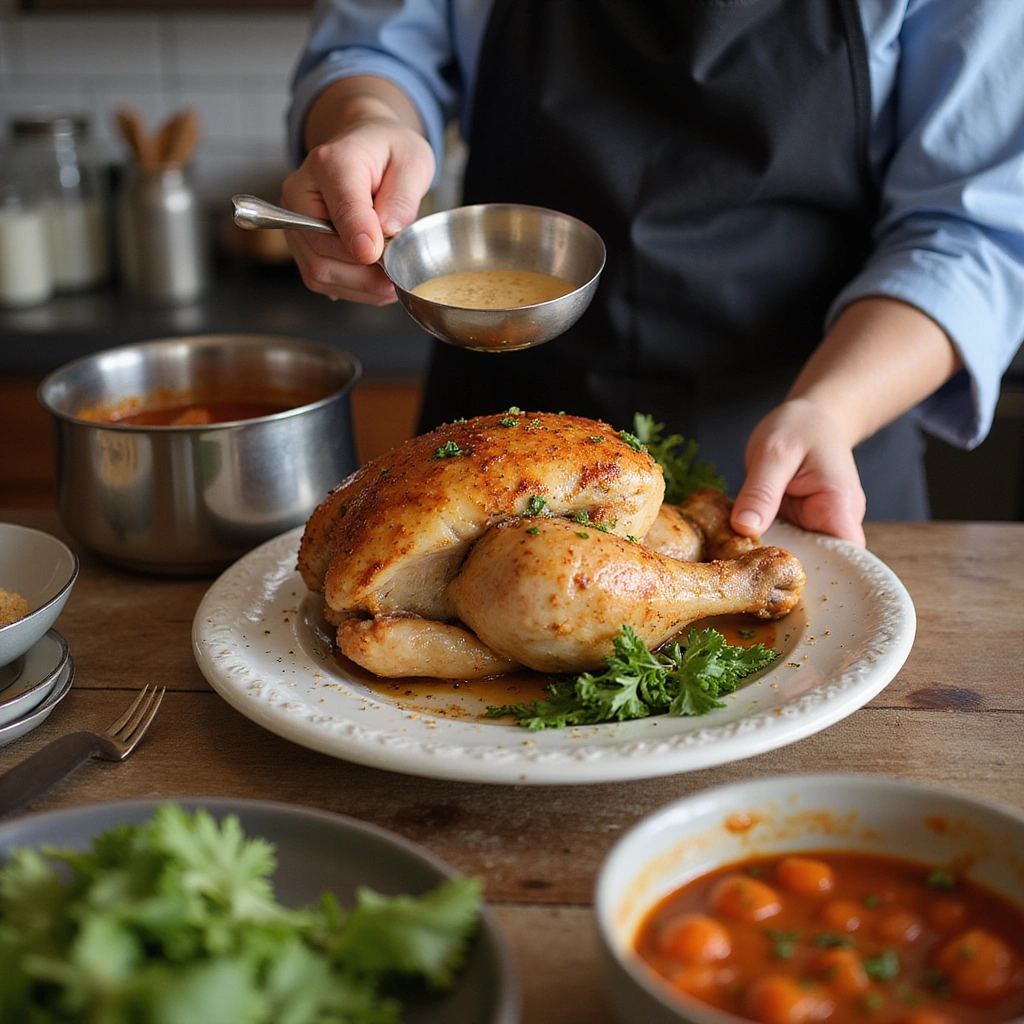
Preheat your oven to 425°F (220°C).
Ensure the oven is completely heated before placing the chicken inside.
A properly preheated oven helps achieve crispy skin right from the start.
This step is crucial for ensuring even cooking throughout.
Step 4: Arrange Chicken in Roasting Pan
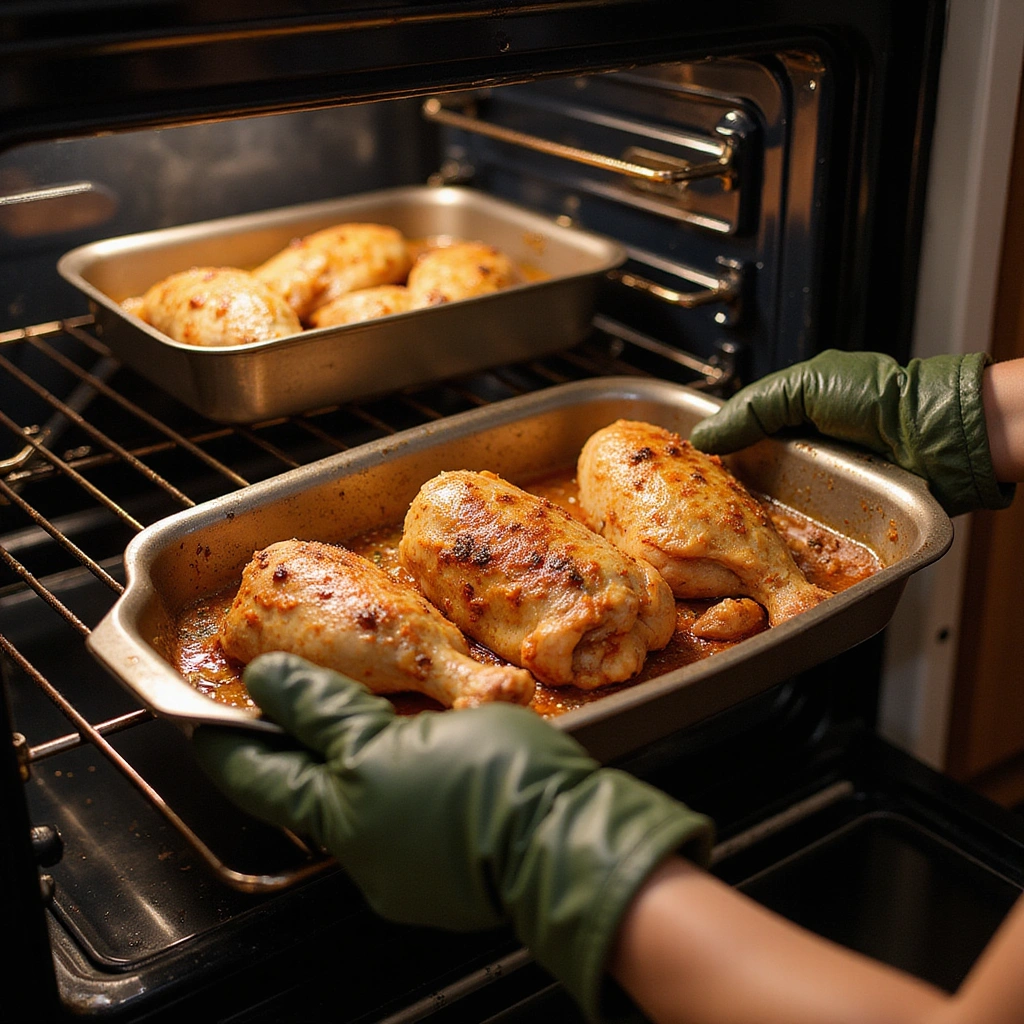
Remove the chicken from the marinade and shake off excess.
Arrange the leg quarters skin-side up in a roasting pan, ensuring they are not crowded.
Leave space between each piece for air circulation, which promotes even cooking.
This arrangement will help achieve that coveted crispy skin.


Step 5: Bake Chicken Leg Quarters
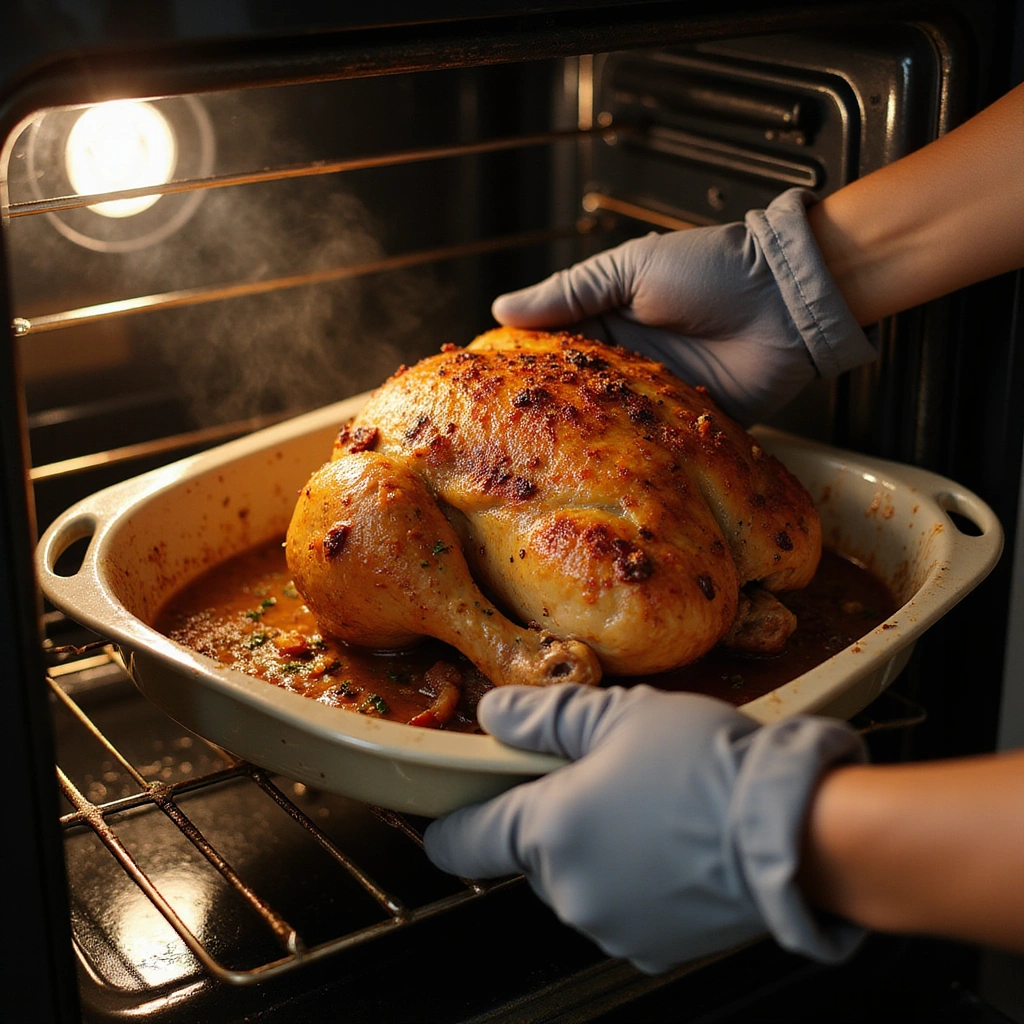
Place the roasting pan in the preheated oven.
Bake the chicken for 35-40 minutes, or until the skin is golden brown and crispy.
You can check for doneness by inserting a meat thermometer into the thickest part of the leg; it should read 165°F (75°C).
If the skin is browning too quickly, cover the pan loosely with aluminum foil.
Step 6: Rest the Chicken
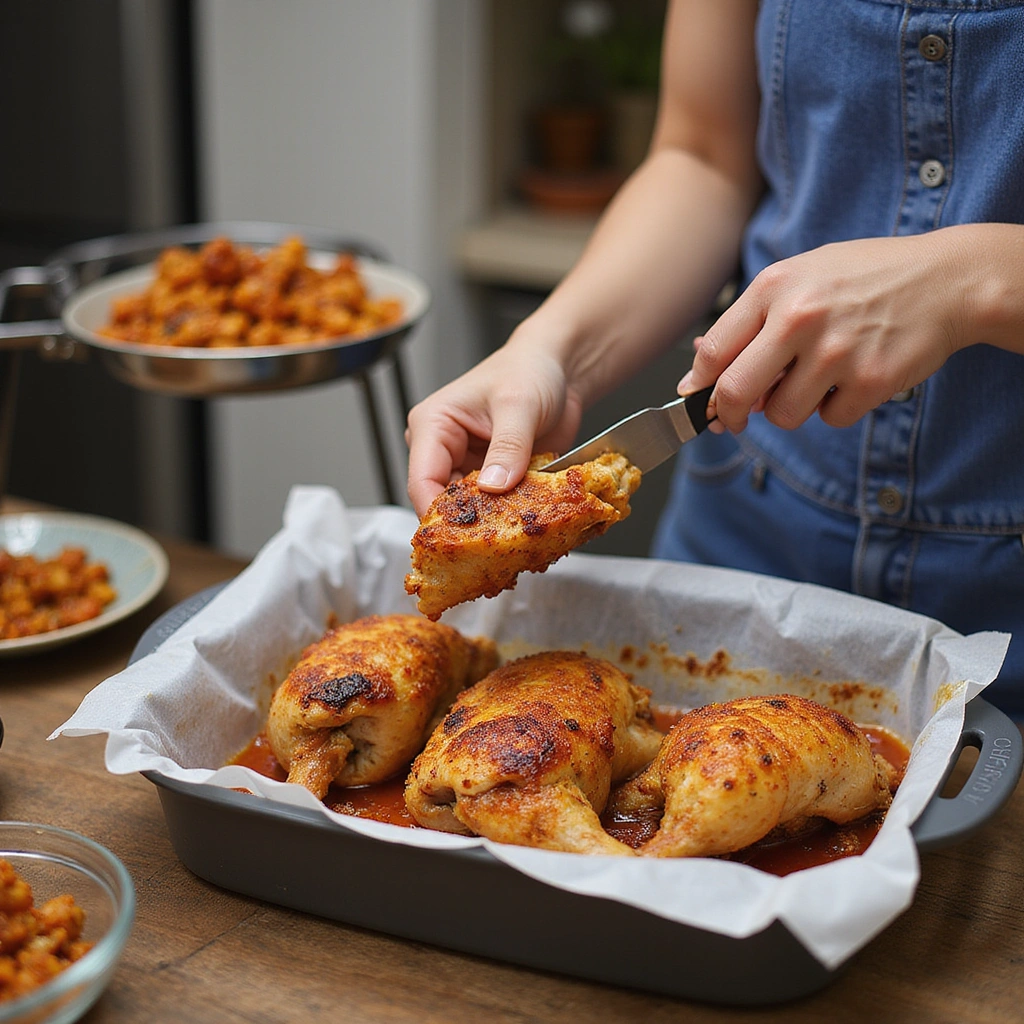
Once the chicken is done, remove it from the oven and let it rest for about 10 minutes.
Tenting the chicken with foil during this time helps keep it warm.
Resting allows the juices to settle, ensuring each bite is juicy and flavorful.
Avoid cutting into the chicken immediately to preserve moisture.
Step 7: Garnish and Serve
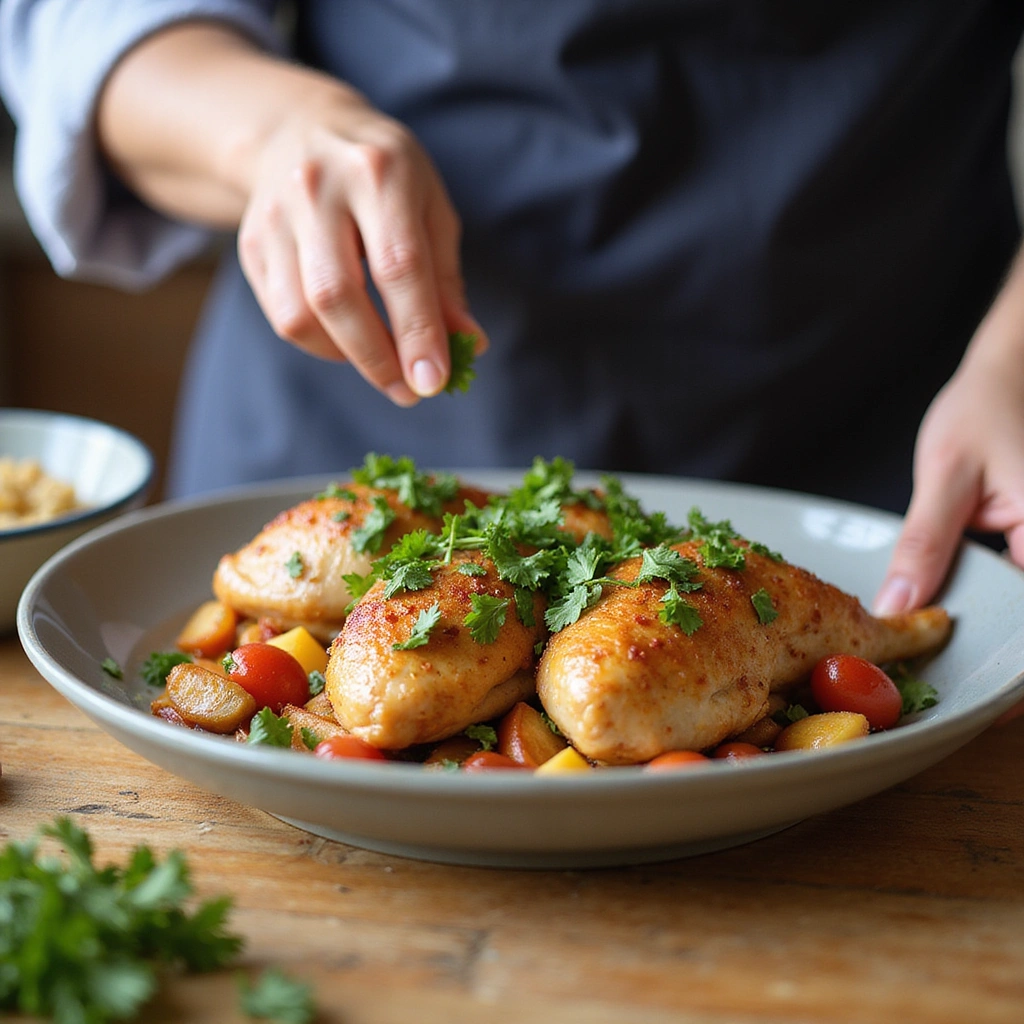
After resting, transfer the chicken leg quarters to a serving platter.
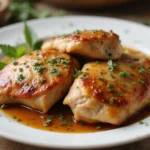
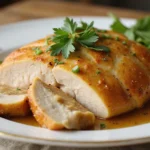
Sprinkle chopped fresh parsley over the top for a pop of color and freshness.
This garnish not only enhances presentation but also adds a layer of flavor.
Serve immediately with your choice of sides.


Step 8: Enjoy Your Meal
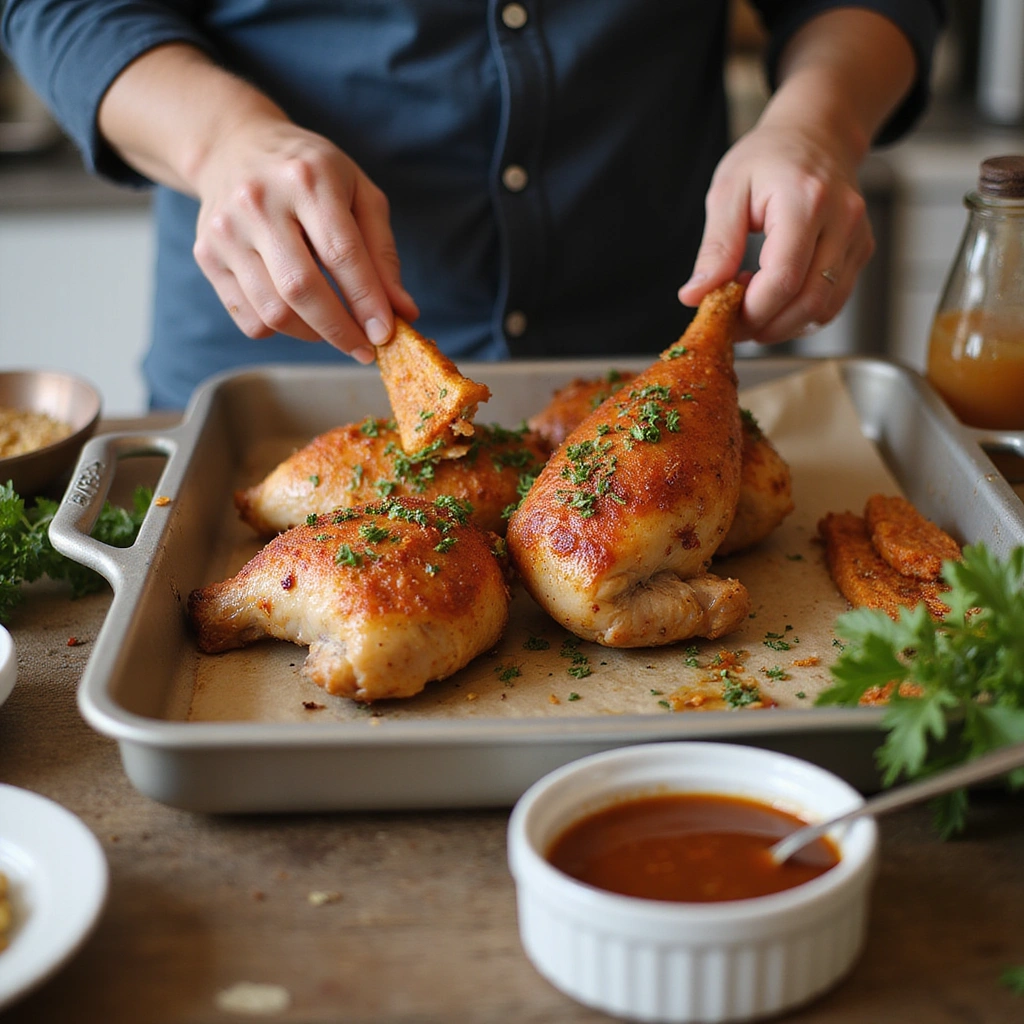
Gather your family and friends around the table to enjoy the delicious chicken leg quarters.
Pair it with your favorite sides for a complete meal.
Encourage everyone to dig in and savor the crispy skin and juicy meat.
Take a moment to appreciate the flavors and the joy of sharing a homemade meal.
Critical Timing and Temperature Guide
Baking Time: Bake the chicken leg quarters for 35-40 minutes at 425°F (220°C).
Look for golden brown skin and an internal temperature of 165°F (75°C).
Avoid opening the oven too frequently, as this will disrupt heat circulation.
Resting Time: Allow the chicken to rest for 10 minutes after baking.
This step is crucial for maintaining juiciness.
Don’t skip it; cutting too soon can lead to dry meat.
Marinating Time: Ideally, marinate the chicken for at least 30 minutes or up to overnight.
Longer marinating times enhance flavor penetration.
Be cautious if marinating overnight; the acid from certain ingredients can start to break down the meat too much.
Pro Tips for Chicken Leg Quarter Recipes Oven Baked Crispy And Juicy
• Ingredient Selection: Choose high-quality chicken leg quarters with intact skin for the best flavor and texture.
• Preparation Secret: Allow the chicken to come to room temperature before cooking to ensure even cooking.
• Temperature Management: Ensure your oven is fully preheated to maintain optimal cooking conditions.
• Texture Enhancement: Pat the skin dry before applying the marinade to promote crispiness.
• Flavor Layering: Consider adding citrus zest to the marinade for an extra layer of flavor.
• Make-Ahead Strategies: You can marinate the chicken a day ahead and store it in the refrigerator.
• Restaurant-Quality Finishing Touches: A squeeze of fresh lemon juice before serving can brighten the flavors.
• Equipment Optimization: Invest in a good roasting pan with a rack for optimal results.
Troubleshooting Common Issues
• Skin Not Crispy: This issue often arises from excess moisture on the skin. Ensure to pat the chicken dry before marinating and avoid overcrowding in the roasting pan.
• Chicken Overcooked: Overcooking can happen if you don’t monitor the temperature. Always use a meat thermometer to check doneness.
• Flavor Lacking: Insufficient marinating time can lead to bland chicken. Aim for at least 30 minutes, or overnight for deeper flavor.
• Uneven Cooking: If chicken is not cooked evenly, it may be due to uneven placement in the oven. Ensure space between pieces for air circulation.
• Too Salty: If the chicken tastes too salty, adjust the salt in the marinade next time and consider brining for a shorter time.
Variations and Regional Differences
• Southern Style: In the Southern United States, chicken leg quarters are often seasoned with a spice blend including cayenne and served with collard greens.
• Mexican Adobo: A Mexican variation uses adobo spices, marinated in a mixture of vinegar, garlic, and chili powder for a spicy kick.
• Asian-Inspired: An Asian version may include soy sauce, ginger, and sesame oil in the marinade for a completely different flavor profile.
• Modern Interpretations: Contemporary recipes may incorporate health-conscious modifications, like using air fryers or incorporating quinoa as a side.


Food Science Behind the Recipe
• Maillard Reaction: This chemical reaction occurs when proteins and sugars in the meat are exposed to heat, creating that desirable crispy skin and rich flavors.
• Marination: The process of marinating allows enzymes to break down proteins, making the meat more tender and flavorful.
• Resting: Allowing the chicken to rest after cooking lets the juices redistribute throughout the meat, preventing dryness.




Frequently Asked Questions
What’s the most common mistake people make when preparing chicken leg quarters? The most common mistake is not patting the skin dry before marinating, which can lead to soggy skin instead of crispy.
Can I prepare components of this dish in advance? Yes, you can marinate the chicken a day ahead and store it in the refrigerator until ready to bake.
How do I adapt this recipe for dietary restrictions? For gluten-free needs, ensure all seasonings and marinades are gluten-free and substitute any sauces accordingly.
What’s the best way to store and reheat leftovers? Store leftovers in an airtight container in the refrigerator for up to 3 days. Reheat in the oven at 350°F until warmed through.
Can I freeze this dish? Yes, freeze the cooked chicken in an airtight container for up to 3 months. Thaw in the refrigerator before reheating.
What wine or beverages pair best with this dish? A light red wine like Pinot Noir or a crisp white like Chardonnay pairs well with the rich flavors of the chicken.
How can I scale this recipe up for a crowd? Simply multiply the ingredients by the number of servings needed, and ensure your oven can accommodate the increased volume.
What side dishes complement this recipe best? Pair with roasted vegetables or a fresh salad for a balanced meal.
How do professional chefs elevate this dish for restaurant service? Chefs often use sous-vide techniques to cook the chicken perfectly before finishing in a hot oven for that crispy skin.
Serving and Presentation Guide
• Traditional Presentation: Serve the chicken leg quarters on a large platter with garnished herbs and lemon wedges for a classic look.
• Modern Plating Ideas: For a contemporary touch, plate individual servings with colorful sides arranged artistically on the plate.
• Accompaniment Suggestions: Consider serving with a side of garlic mashed potatoes or a vibrant coleslaw to complement the dish.
• Special Occasion Presentation: For celebrations, elevate the dish with a drizzle of balsamic glaze and serve on elegant dinnerware.





Conclusion
I hope you’re inspired to try these oven-baked chicken leg quarters for your next meal.
With their crispy skin and juicy meat, they are sure to become a family favorite.
Enjoy the process of cooking and the delightful flavors that come with it.