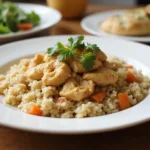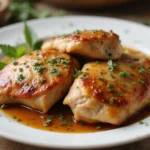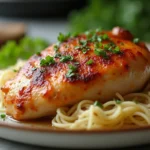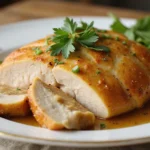
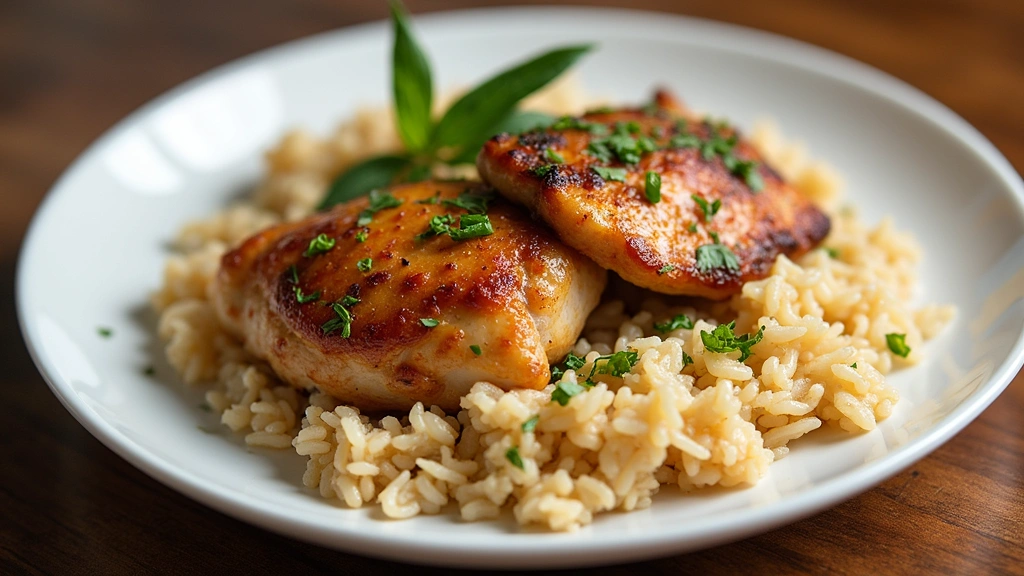
Chicken thigh and rice dishes are the epitome of comfort food, combining hearty flavors and satisfying textures in every bite.
The succulent chicken thighs meld beautifully with the seasoned rice, creating a harmonious balance that delights the palate.
I first fell in love with this dish during a family gathering, where the aroma wafting from the kitchen instantly brought everyone together.
Perfect for a cozy weeknight dinner or a festive occasion, this recipe is sure to impress with its straightforward preparation and comforting taste.
The History and Cultural Significance
• Chicken Thigh And Rice Recipes Flavorful And Hearty traces its origins to various cultures, particularly in the Mediterranean and Middle Eastern regions, where rice is a staple grain.
• The dish evolved over decades as cooking techniques and local ingredients changed, eventually becoming a beloved comfort food worldwide.
• In many cultures, this dish traditionally appears at family gatherings and celebrations, symbolizing unity and comfort.
• While many variations exist across different regions, the authentic version maintains a rich, savory broth that sets it apart from imitations.




Recipe Overview
Nutritional Information (per serving)






Ingredients


Essential Equipment Guide
Heavy-Bottomed Pot: A heavy-bottomed pot is crucial for even heat distribution, preventing burning while cooking the rice and chicken. Look for options with a tight-fitting lid to retain moisture.
Wooden Spoon: A wooden spoon is perfect for stirring without scratching your pot. It allows you to mix ingredients gently without damaging the surface.
Meat Thermometer: A meat thermometer ensures your chicken reaches the ideal internal temperature of 165°F. This tool prevents overcooking and keeps the chicken juicy.


Preparation Methods
Searing Chicken: Searing the chicken thighs before cooking them in the broth locks in juices and adds a rich, golden-brown color. Ensure the pan is hot before adding the chicken to achieve a perfect sear.
Rinsing Rice: Rinsing the rice removes excess starch, preventing it from becoming gummy. Use cold water and rinse until the water runs clear to ensure light and fluffy rice.
Deglazing: Deglazing the pot after searing the chicken captures all the flavorful brown bits stuck to the bottom. Use a splash of broth to scrape these bits up, enhancing the overall flavor of the dish.


Step 1: Prepare Ingredients
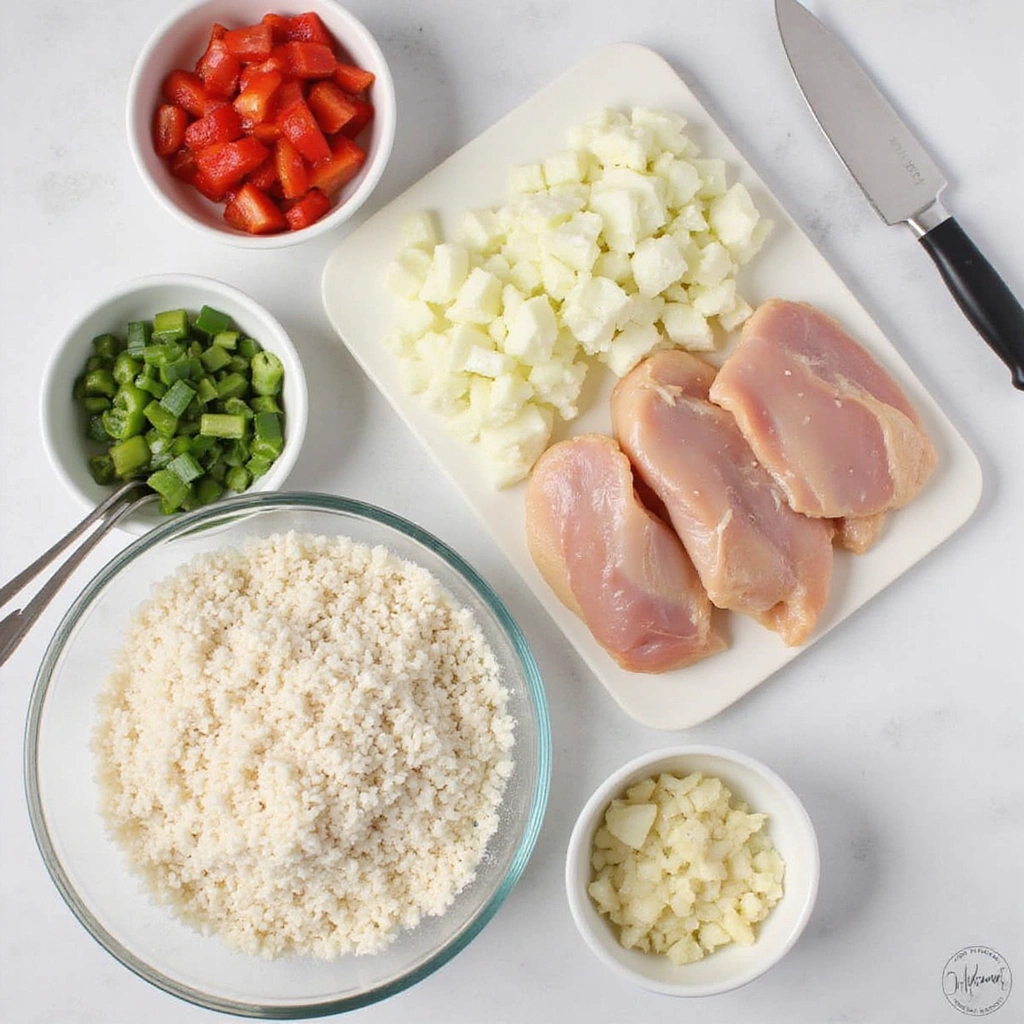
Gather all the ingredients needed for the recipe.
Make sure to rinse the rice until the water runs clear to remove excess starch.
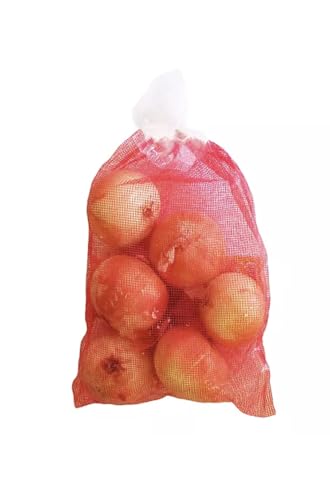
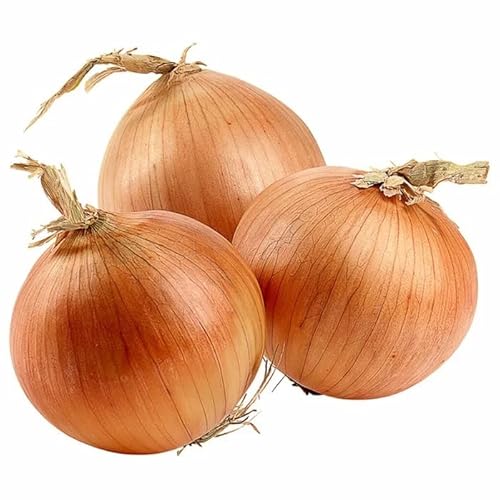
Dice the onion and chop the bell pepper while keeping the garlic minced.
Have the chicken thighs ready, ensuring they are patted dry for better searing.



Step 2: Sear the Chicken
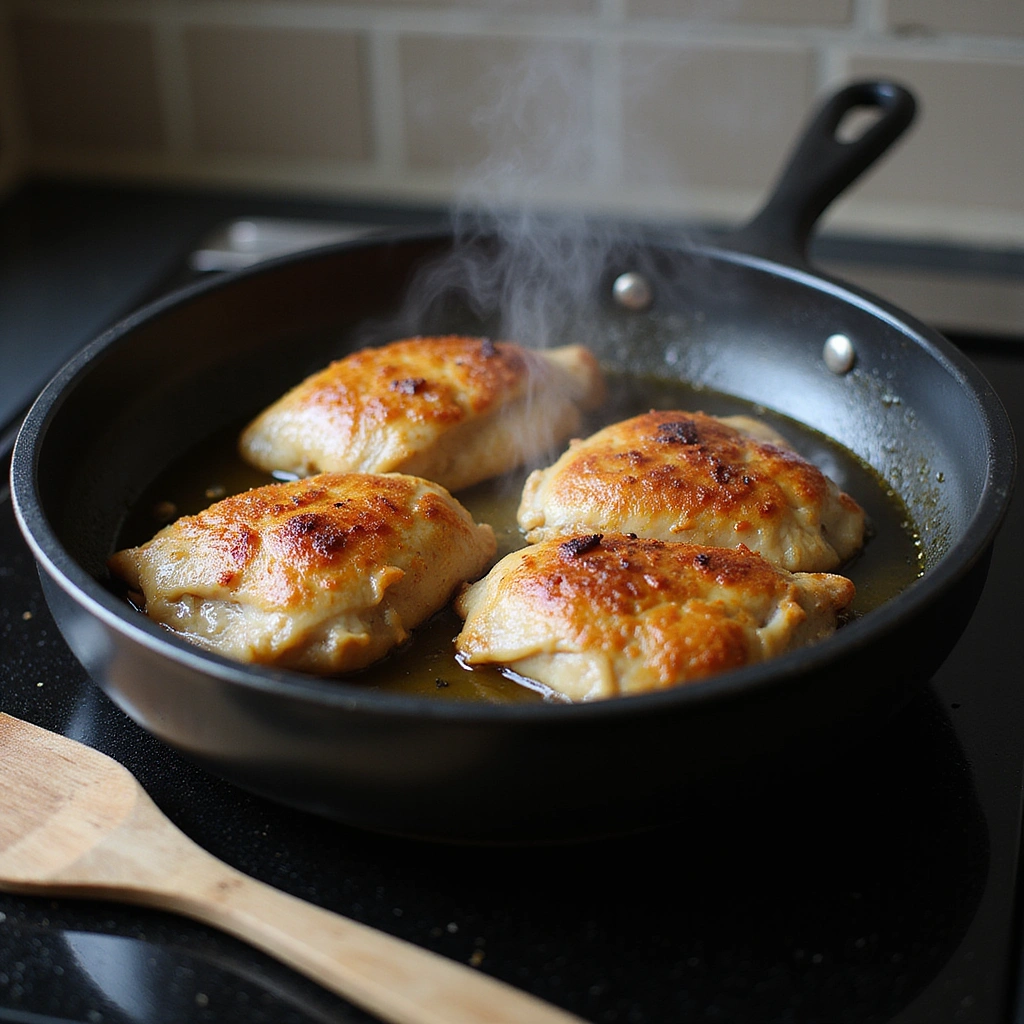
Heat a heavy-bottomed pot over medium-high heat and add a drizzle of oil.
Once the oil is hot, place the chicken thighs skin-side down in the pot.
Sear for about 5-7 minutes until the skin is golden brown and crispy.
Flip the chicken and sear the other side for another 5 minutes before removing it from the pot.




Step 3: Sauté the Vegetables
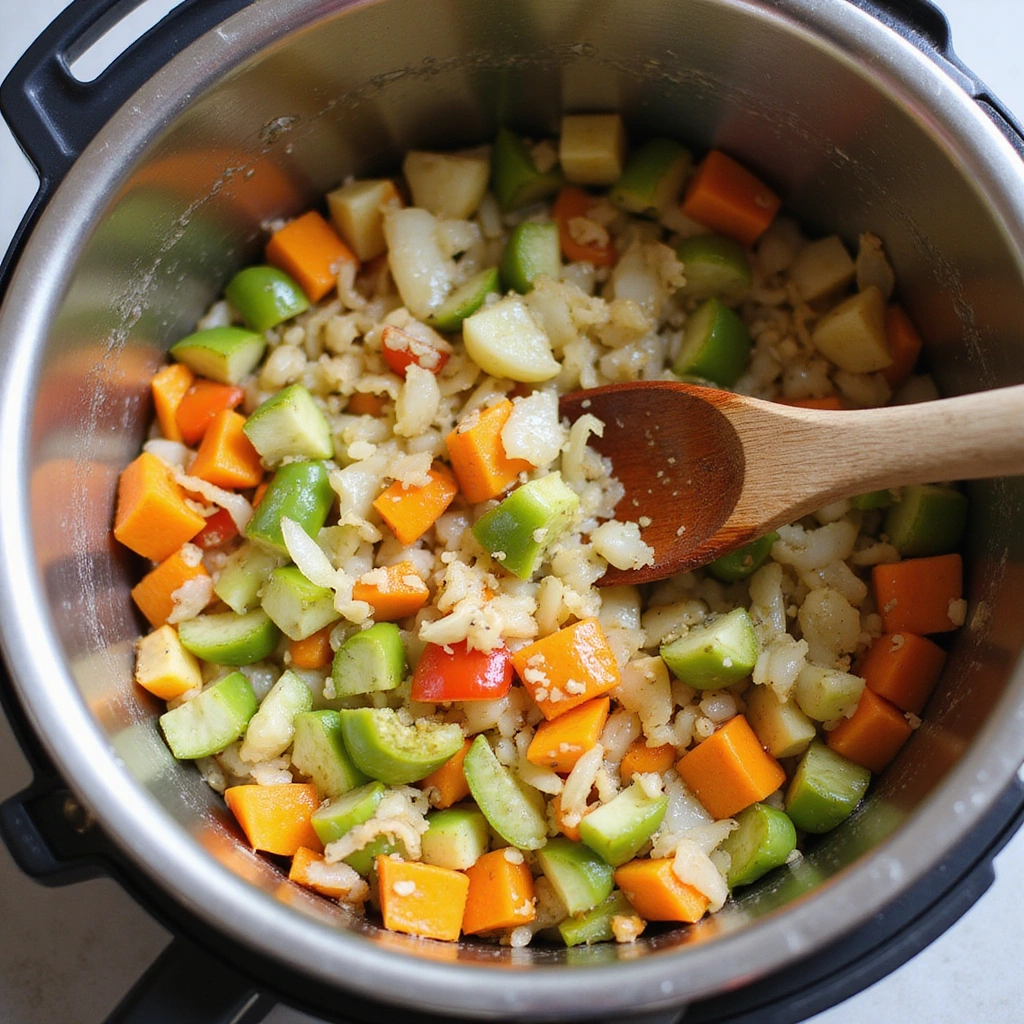
In the same pot, add the diced onion and bell pepper after removing the chicken.
Sauté the vegetables for about 3-4 minutes until they become soft and fragrant.
Add the minced garlic and cook for an additional minute, stirring constantly.
This step builds a flavorful base for the dish.
Step 4: Add the Rice
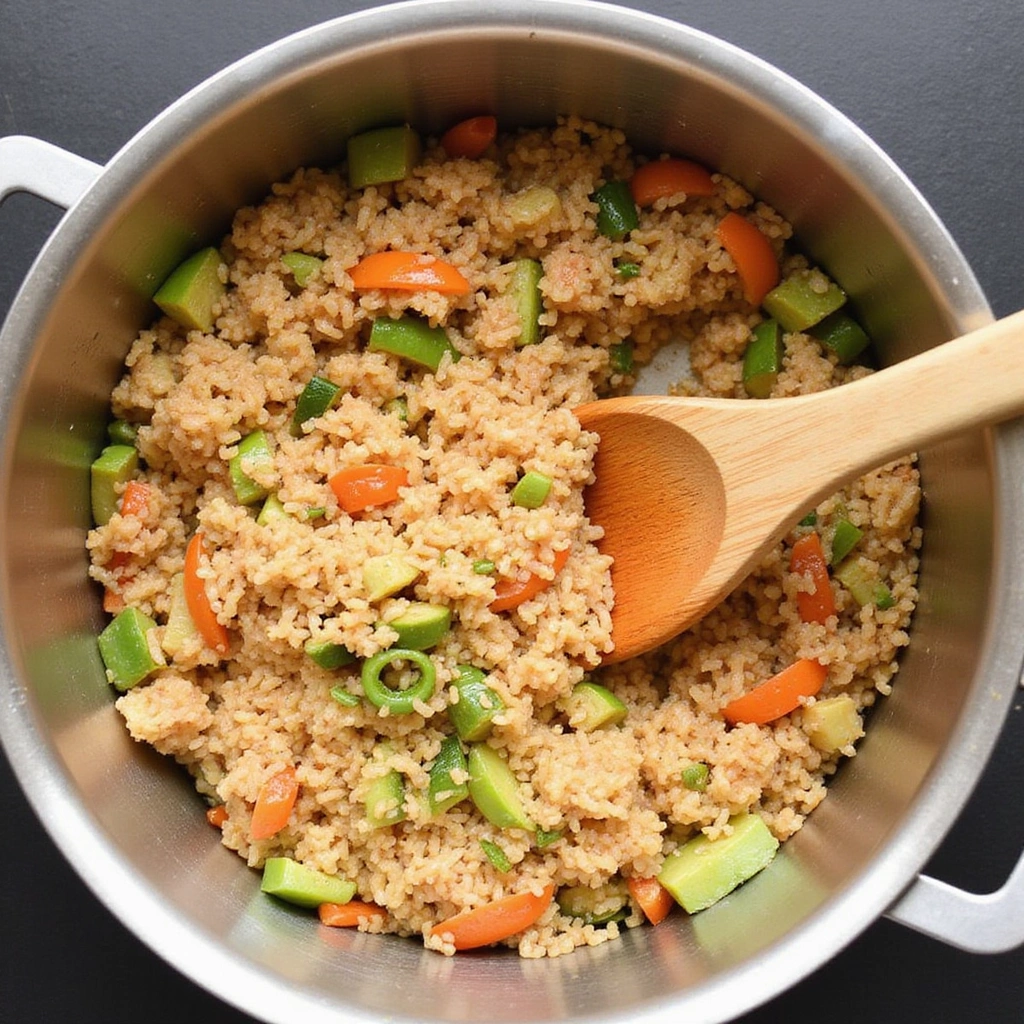
Stir in the rinsed rice, mixing it well with the sautéed vegetables.
Toast the rice for about 2 minutes until it becomes slightly translucent.
This enhances the flavor and prepares the rice for absorbing the broth.
Make sure to coat each grain well with the vegetable mixture.




Step 5: Pour in the Broth
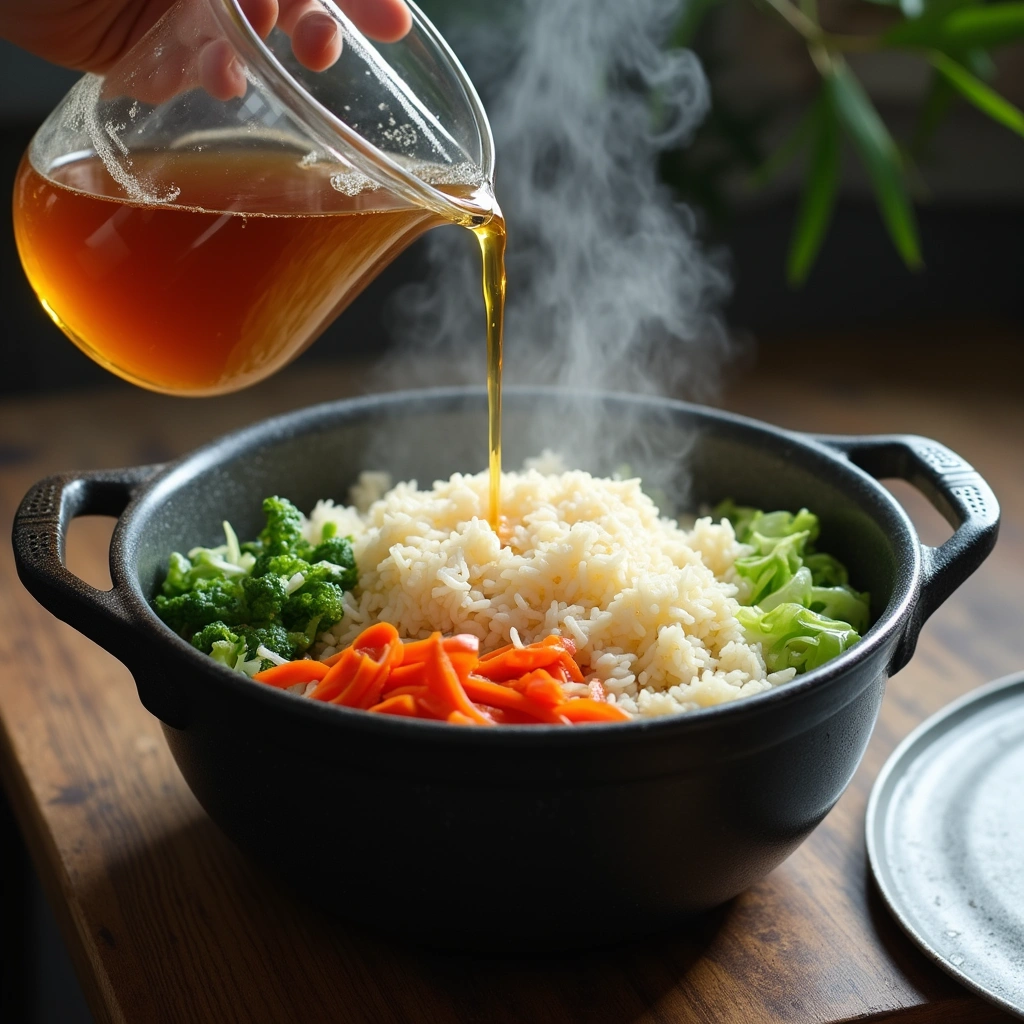
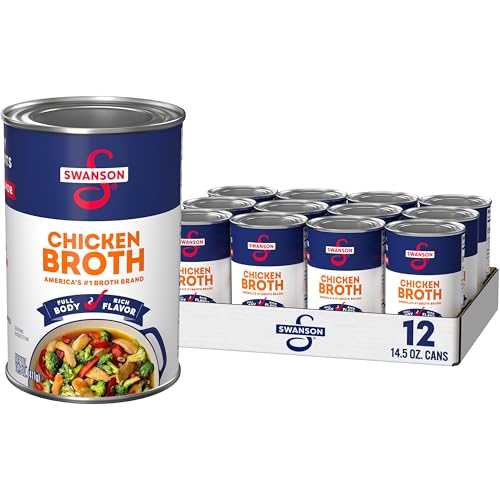
Add the chicken broth to the pot, ensuring all the rice is submerged.
Stir in the salt, paprika, black pepper, and thyme for added flavor.
Bring the mixture to a boil over high heat, then reduce to a simmer.
Cover the pot with a tight-fitting lid to trap steam.


Step 6: Cook the Chicken and Rice
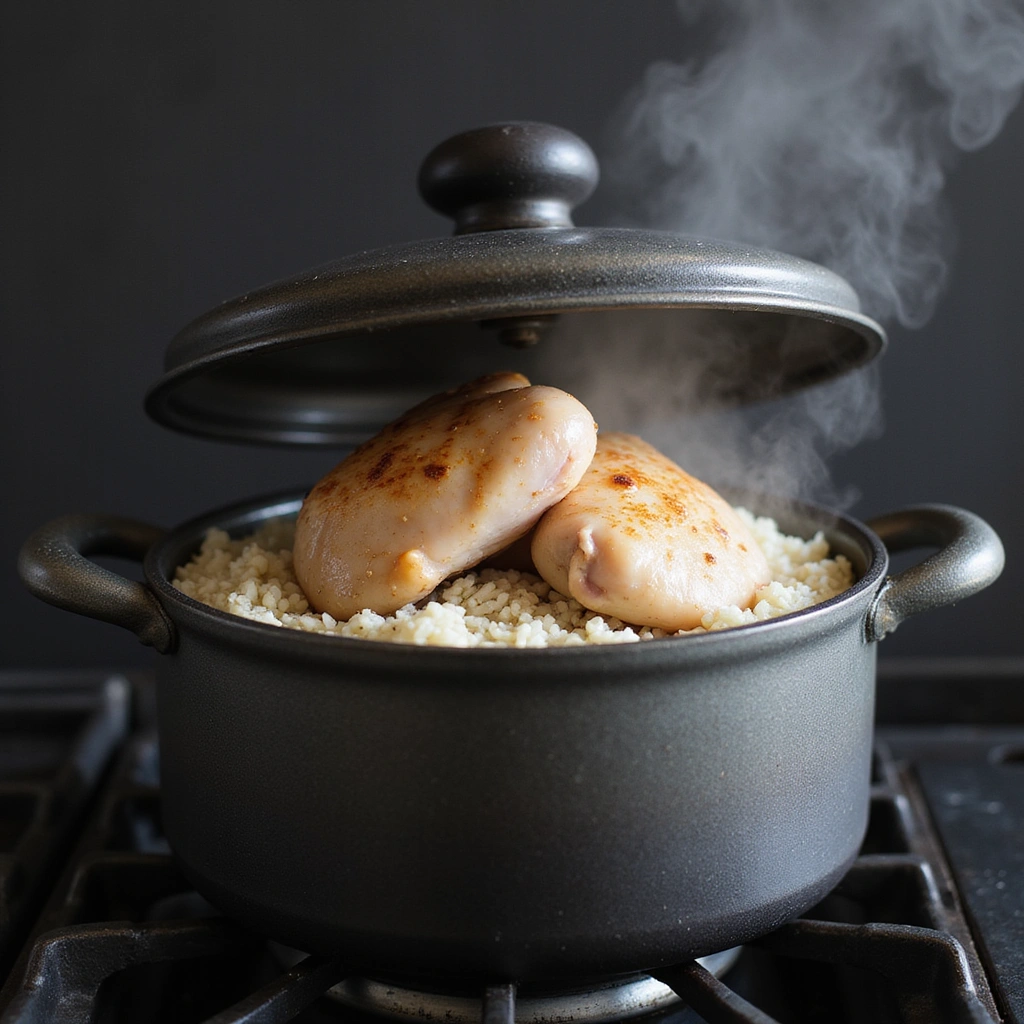
Return the seared chicken thighs to the pot, placing them on top of the rice.
Cover the pot and let it simmer for about 30-35 minutes.
Check occasionally to ensure it doesn’t stick, adding a splash of broth if needed.
The chicken should be cooked through and the rice tender.
Step 7: Rest the Dish
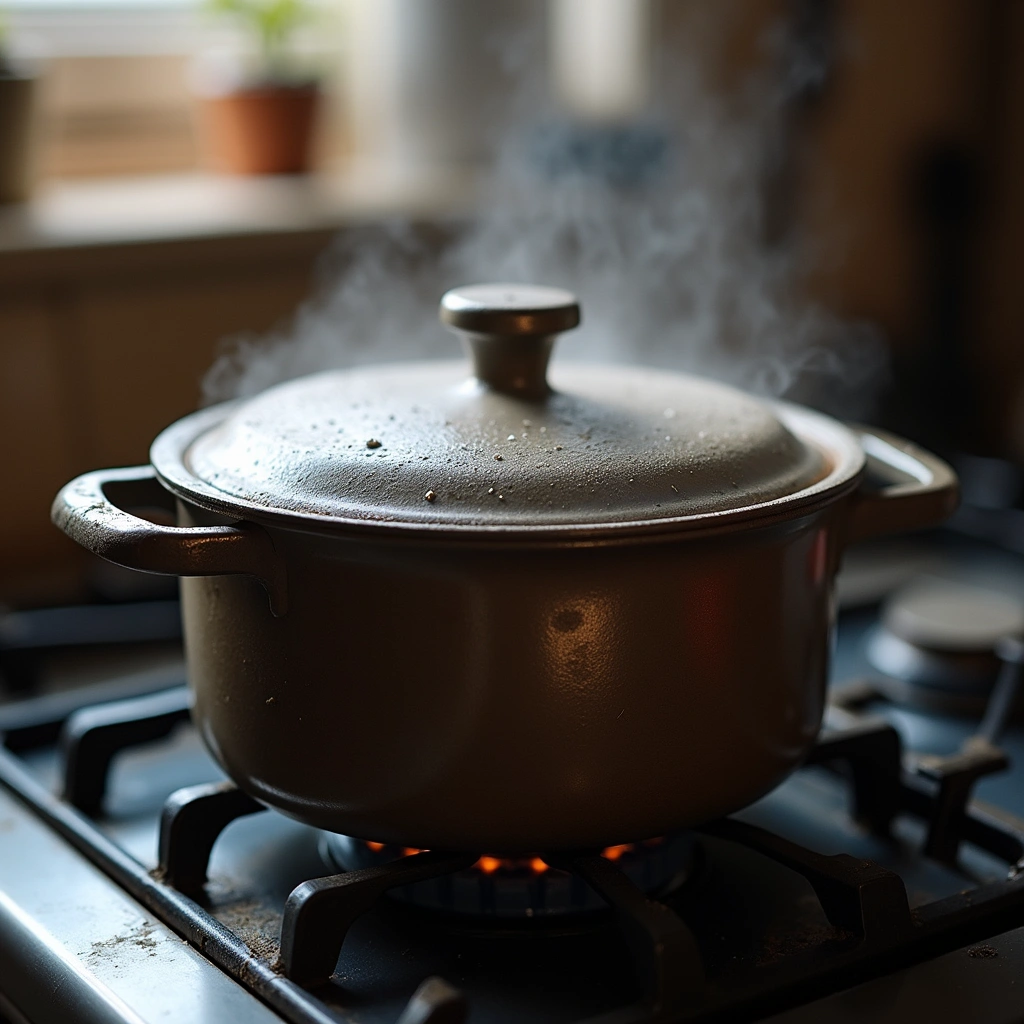
Once cooked, remove the pot from heat and let it rest for 5-10 minutes.
This allows flavors to meld and the rice to finish cooking in the residual heat.
Do not uncover the pot during this time to retain steam.
The chicken will remain juicy and tender.



Step 8: Serve and Enjoy
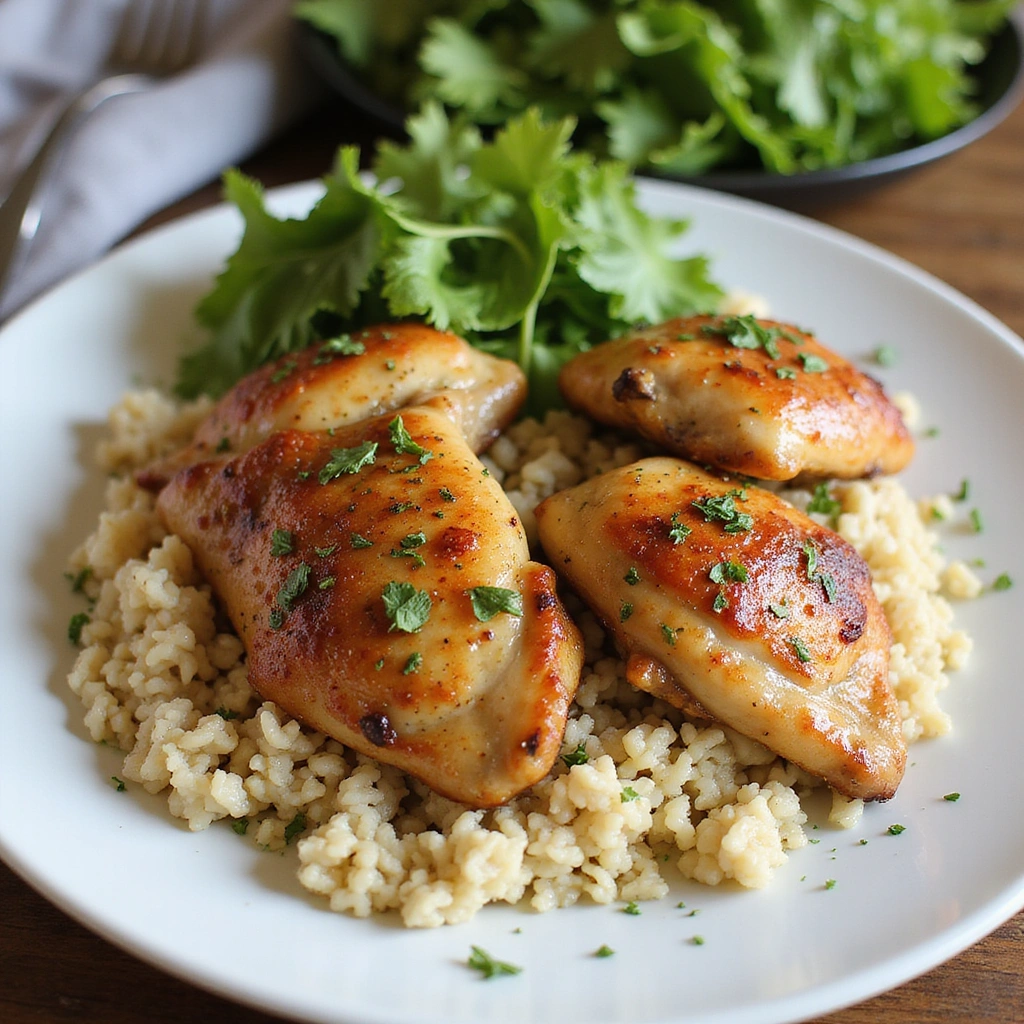
Carefully remove the lid and fluff the rice with a fork.
Plate the chicken thighs over the rice, garnishing with fresh herbs if desired.
Serve hot with a side of vegetables or a fresh salad.
Enjoy the comforting flavors of this hearty dish with family and friends.
Critical Timing and Temperature Guide
Cooking Chicken: Cook the chicken thighs for 30-35 minutes covered at a simmering temperature. Look for an internal temperature of 165°F to ensure doneness without drying out the meat.
Simmering Rice: Allow the rice to simmer for 20-25 minutes. It should be tender, and the liquid should be fully absorbed without burning on the bottom.
Resting Time: Rest the dish for 5-10 minutes before serving to let flavors meld. This step is crucial for achieving the perfect texture.
Pro Tips for Chicken Thigh And Rice Recipes Flavorful And Hearty
• Ingredient Selection: Use high-quality chicken thighs for the best flavor and texture. Fresh, organic chicken can significantly enhance the dish.
• Preparation Secret: Allowing the chicken to rest after searing helps retain moisture when it’s cooked.
• Temperature Management: Ensure your broth is at a simmer before adding it to the pot to maintain even cooking.
• Texture Enhancement: Fluff the rice gently with a fork after resting to keep it light and airy.
• Flavor Layering: Consider adding a splash of lemon juice just before serving for a bright flavor boost.
• Make-Ahead Strategies: Cook the chicken and rice separately a day ahead and combine them when reheating to avoid mushiness.
• Restaurant-Quality Finishing Touches: Drizzle with high-quality olive oil or serve with a side of yogurt for creaminess.
• Equipment Optimization: Use a heavy-bottomed pot to prevent sticking and ensure even cooking.
Troubleshooting Common Issues
• Rice Too Wet: This occurs when too much liquid is added or the lid is removed during cooking. To fix it, remove the lid and let it simmer uncovered for a few minutes to evaporate excess moisture.
• Chicken Not Cooked Through: If the internal temperature is less than 165°F after cooking, cover and simmer a bit longer. Ensure the chicken is fully submerged in the broth for even cooking.
• Flavors Unbalanced: If the dish lacks flavor, consider adding more salt or seasoning during cooking. Taste before serving to adjust as needed.
• Rice Sticking Together: This can happen if the rice isn’t rinsed properly. Rinse thoroughly before cooking to prevent stickiness.
• Chicken Dry: Overcooking can lead to dry chicken. Use a meat thermometer for accurate timing and remove from heat promptly at 165°F.
Variations and Regional Differences
• Spanish Paella: This version incorporates saffron and a variety of seafood, showcasing a vibrant color and distinct flavors. It’s typically cooked in a wide, shallow pan for a crispy bottom.
• Indian Biryani: This adaptation layers marinated chicken with spiced basmati rice and often includes yogurt and fried onions, creating a rich, aromatic dish.
• Middle Eastern Mujadara: This variation combines lentils and rice with caramelized onions, offering a hearty vegetarian alternative that’s flavorful and filling.
• Modern Interpretations: Contemporary takes on this dish might include quinoa or cauliflower rice to cater to health-conscious diners while maintaining the dish’s essence.



Food Science Behind the Recipe
• Maillard Reaction: This browning reaction occurs when the chicken is seared, creating complex flavors and a rich color. Understanding this process helps achieve that desirable crust.
• Gelatinization: The starch in the rice gelatinizes during cooking, absorbing liquid and swelling to create the perfect texture. Rinsing the rice beforehand helps control this process.
• Emulsification: When fat from the chicken renders into the broth, it emulsifies, creating a rich and flavorful cooking liquid that enhances the dish.
Frequently Asked Questions
What’s the most common mistake people make when preparing Chicken Thigh and Rice? The most common mistake is not rinsing the rice, which leads to a gummy texture. Always rinse until the water runs clear to achieve fluffy rice.
Can I prepare components of this dish in advance? Yes, you can prepare the chicken and rice separately ahead of time. Store cooked chicken in the refrigerator for up to 3 days, and reheat gently before serving.
How do I adapt this recipe for dietary restrictions? Substitute brown rice for a whole grain option and use skinless chicken thighs for a lower fat version. Adjust cooking times accordingly.
What’s the best way to store and reheat leftovers? Store leftovers in an airtight container in the fridge for up to 3 days. Reheat gently on the stove with a splash of broth to maintain moisture.
Can I freeze this dish? Yes, you can freeze the cooked chicken and rice in airtight containers for up to 3 months. Thaw overnight in the fridge before reheating.
What wine or beverages pair best with this dish? A light white wine like Sauvignon Blanc or a crisp Rosé pairs well, as their acidity complements the dish’s richness.
How can I scale this recipe up for a crowd? Simply multiply the ingredient quantities while maintaining the cooking times, ensuring to use a larger pot or multiple pots as needed.
What side dishes complement this recipe best? A fresh green salad or roasted vegetables add brightness and balance to the meal.
How do professional chefs elevate this dish for restaurant service? Chefs may use sous-vide techniques for perfectly cooked chicken or garnish with microgreens for an upscale presentation.
Serving and Presentation Guide
• Traditional Presentation: Serve the chicken thighs over a bed of rice in a large, shallow dish, garnished with fresh herbs like parsley or cilantro for color.
• Modern Plating Ideas: Plate the rice in a ring mold, arranging the chicken artfully on top, and drizzle with a reduction sauce for a sophisticated touch.
• Accompaniment Suggestions: Pair with a citrusy salad or roasted seasonal vegetables to brighten the plate and add texture.
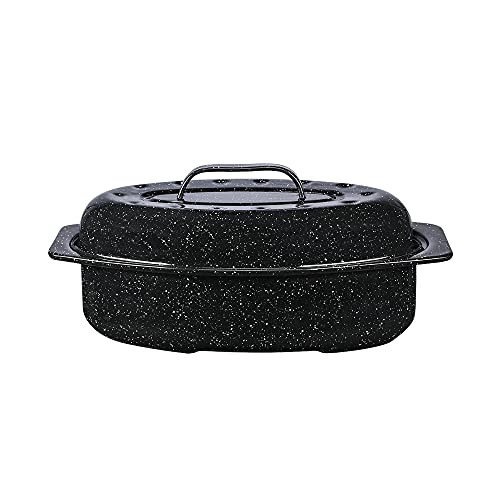
• Special Occasion Presentation: Elevate the dish by serving in individual cast iron skillets or small Dutch ovens, adding a rustic charm.


Conclusion
This Chicken Thigh and Rice recipe is not only a hearty meal but a wonderful way to bring family together around the dinner table.
With its rich flavors and satisfying textures, it’s bound to become a favorite in your home.
I encourage you to try making it and make it your own with personal touches and variations.