

Cream of Chicken Soup is a timeless classic that wraps you in warmth and comfort with every spoonful.
The rich, velvety texture combined with the savory flavor of chicken creates a dish that is both soothing and satisfying.
I remember my grandmother making this soup from scratch on chilly evenings, filling our home with its delightful aroma.
Whether enjoyed on a cold winter day or served as a comforting meal after a long week, this recipe is sure to become a beloved staple in your kitchen.
The History and Cultural Significance
• Cream Of Chicken Soup Recipes Comforting And Easy traces its origins to the early 20th century, where it was originally created as a quick and nourishing meal for busy families.
• The dish evolved over decades as canned soups became popular, eventually leading to the homemade versions we cherish today.
• In American households, this dish traditionally appears at family gatherings, symbolizing warmth, love, and comfort food.
• While many variations exist across different regions, the authentic version maintains a creamy, smooth texture that sets it apart from imitations.




Recipe Overview
Nutritional Information (per serving)






Ingredients


Essential Equipment Guide
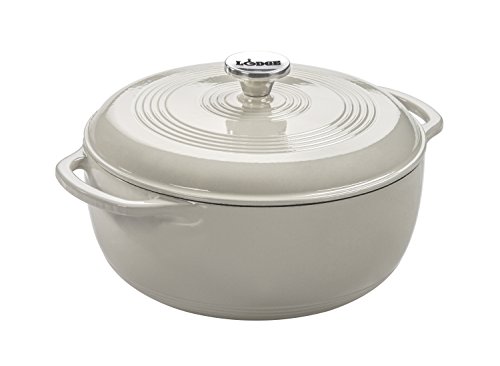
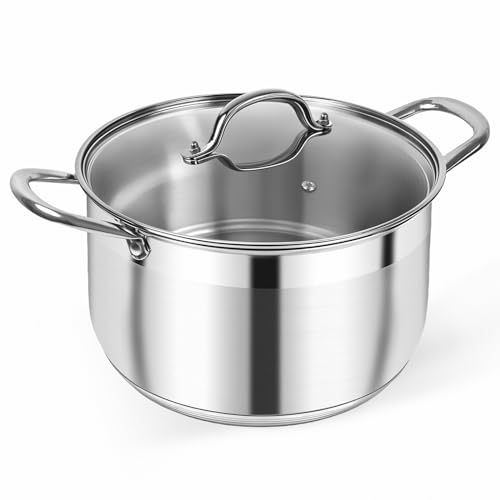
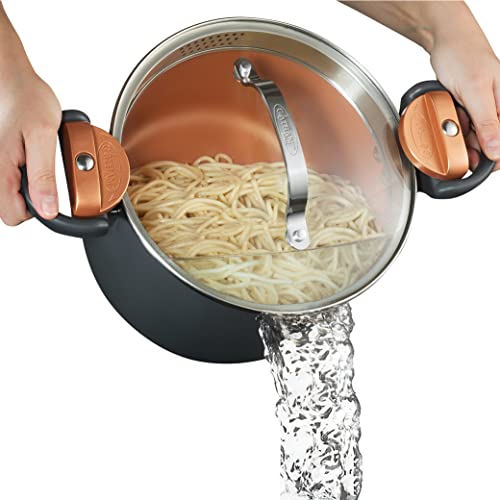
Heavy-Bottomed Pot: A heavy-bottomed pot is crucial for even heat distribution, preventing the soup from scorching. Look for a pot with a thick base and sturdy handles for easy maneuvering.
Whisk: A whisk helps incorporate the ingredients smoothly, especially when creating the roux for the soup. Opt for a stainless steel whisk for durability and effectiveness.
Measuring Cups and Spoons: Accurate measurements are essential for consistency in flavor and texture. Use clear, graduated measuring cups for liquids and nested measuring spoons for dry ingredients.




Preparation Methods
Roux Preparation: Creating a roux is essential for thickening the soup. Combine equal parts flour and butter over medium heat, stirring constantly until it forms a paste and turns a light golden color. This step is crucial for achieving that creamy texture.
Simmering: Allowing the soup to simmer melds the flavors together beautifully. Keep the heat low and let it bubble gently for at least 20 minutes, ensuring the vegetables are tender but not mushy.
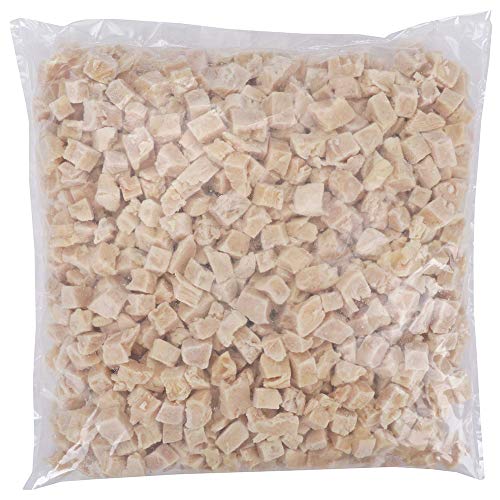
Shredding Chicken: Shredding cooked chicken can be done with two forks or your hands. This technique helps incorporate the chicken evenly throughout the soup, providing delicious bites in every spoonful.



Step 1: Prepare Ingredients

Gather all your ingredients and have them ready for use.
Chop the vegetables into uniform sizes for even cooking.
Shred the cooked chicken into bite-sized pieces.
Measuring everything beforehand makes the cooking process smoother.




Step 2: Make the Roux
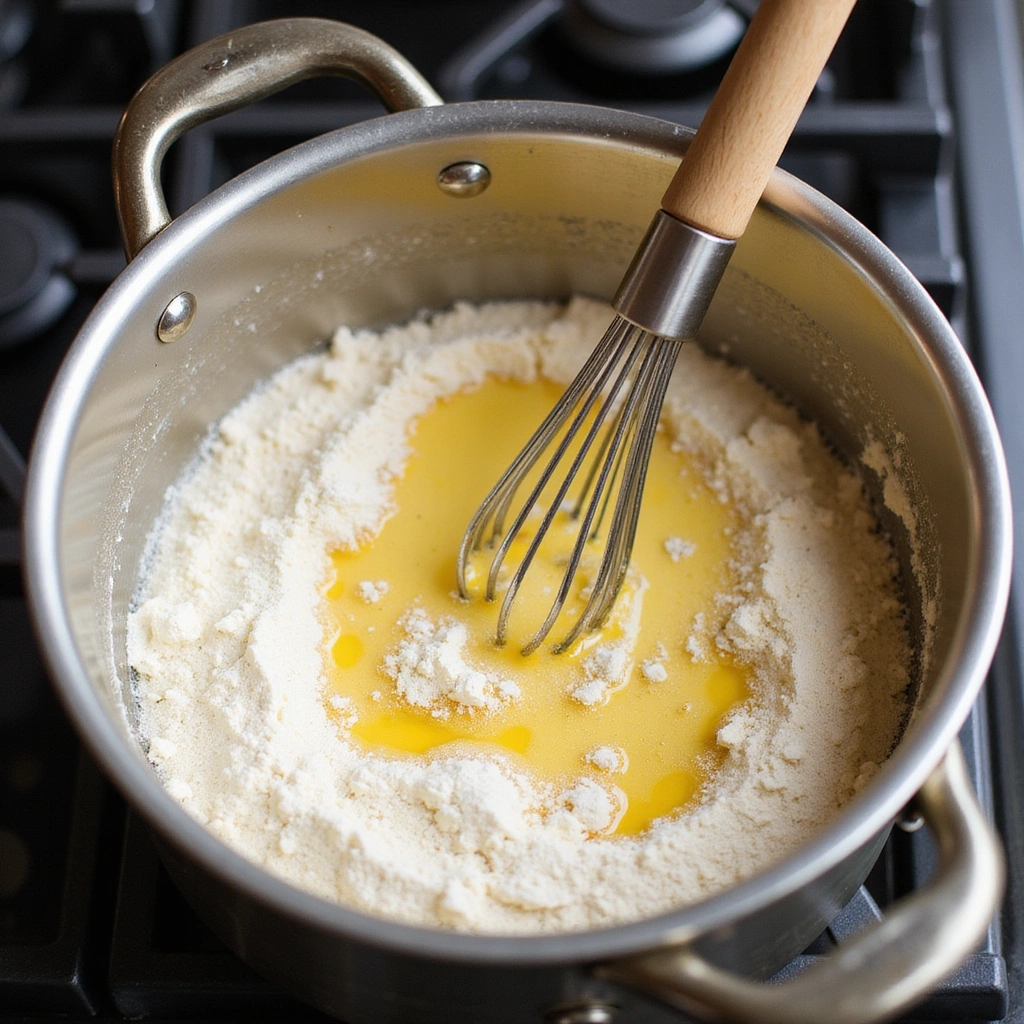
In a heavy-bottomed pot, melt the butter over medium heat.
Once melted, add the flour and whisk continuously for about 2-3 minutes.
Look for a light golden color and a bubbly texture to indicate it’s ready.
This roux will form the base of your creamy soup.




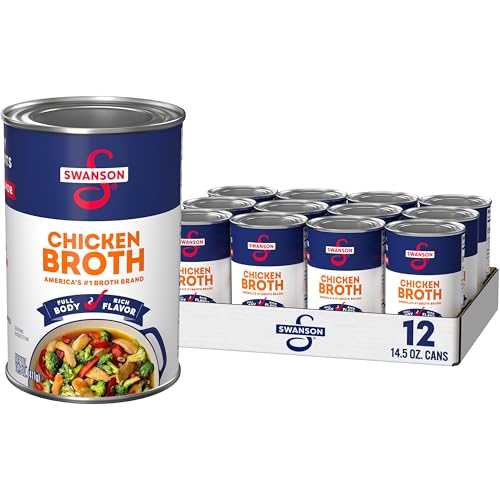
Step 3: Add Chicken Broth
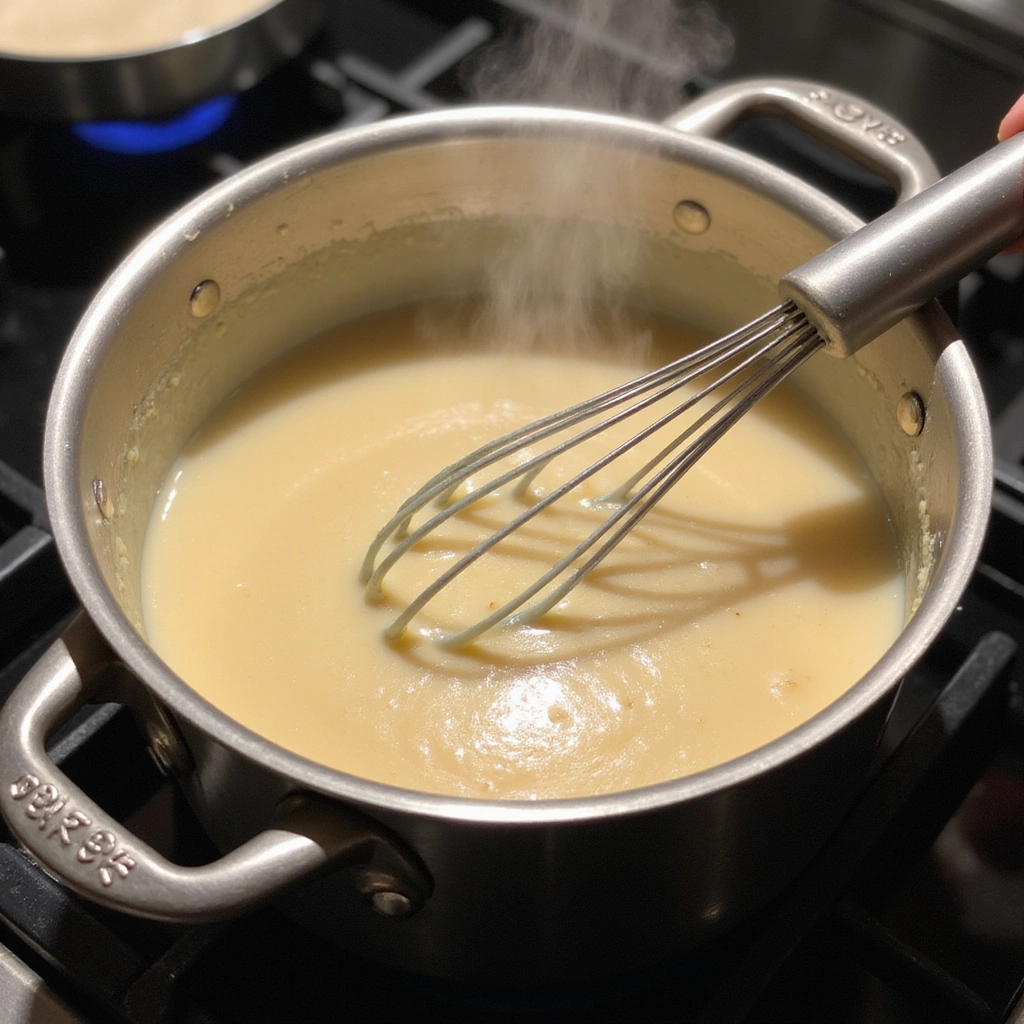
Slowly pour in the chicken broth while whisking to prevent lumps.
Continue stirring until the mixture is smooth and begins to thicken.
This will take about 5 minutes, and you should see it start to bubble gently.
The roux and broth combined create a velvety base for your soup.


Step 4: Add Vegetables
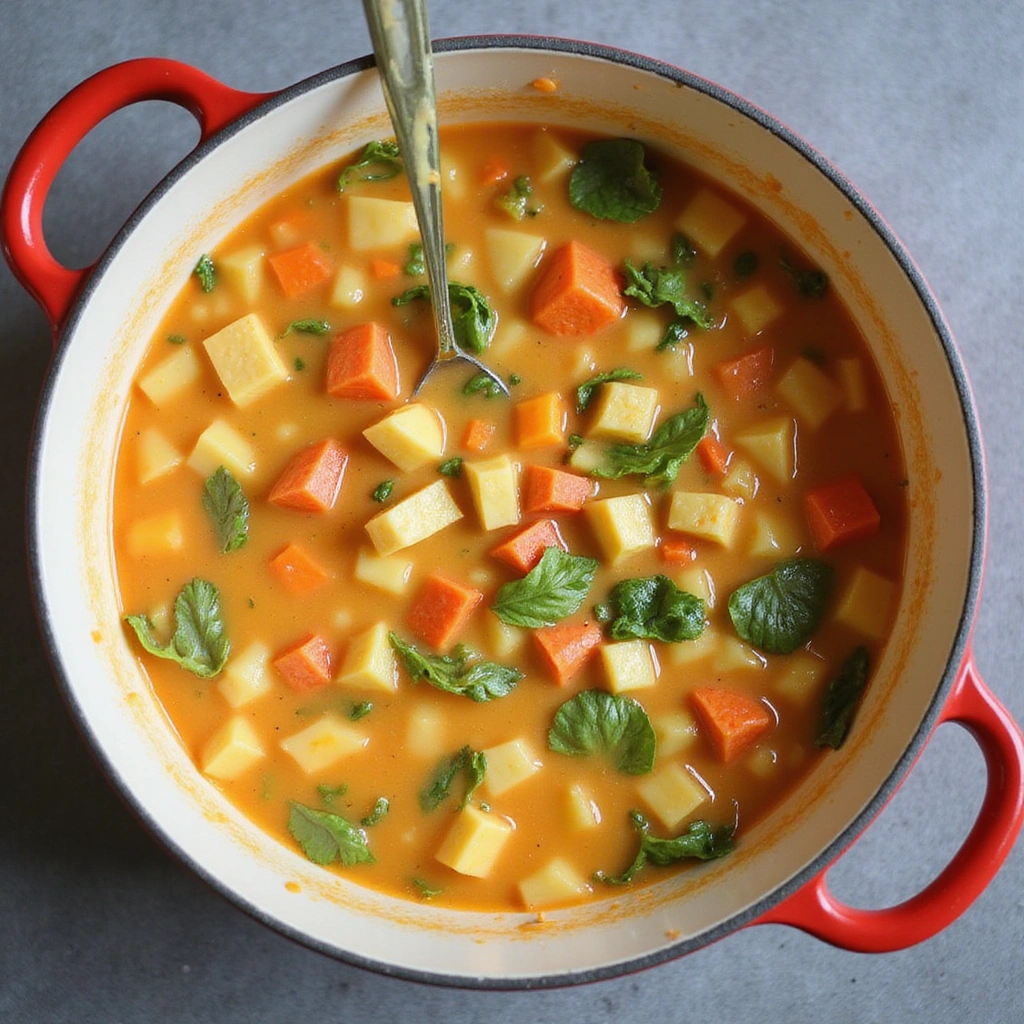
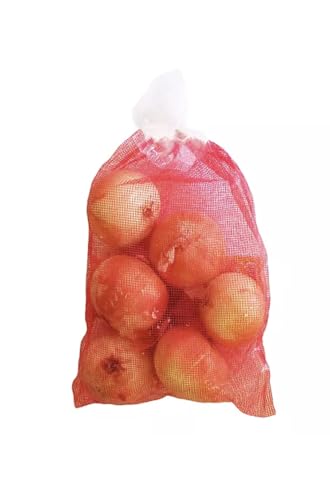
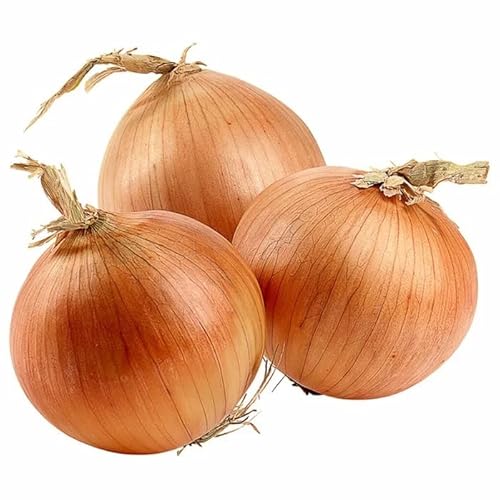
Stir in the diced carrots, celery, and onion into the pot.
Cook the vegetables for about 10 minutes, allowing them to soften.
You want them tender but still with a slight crunch for texture.
Stir occasionally to prevent sticking.



Step 5: Incorporate Chicken

Add the shredded chicken to the pot and stir well.
Allow it to heat through for about 5 minutes.
This gives the chicken a chance to absorb the flavors of the soup.
Taste and adjust seasoning with salt and pepper as needed.




Step 6: Simmer the Soup

Reduce the heat to low and let the soup simmer for another 10 minutes.
This allows the flavors to meld beautifully.
Stir occasionally to ensure it doesn’t stick to the bottom of the pot.
You should see a thick, hearty consistency.
Step 7: Serve the Soup

Ladle the soup into bowls and garnish as desired.
Fresh herbs like parsley or thyme add a pop of color and flavor.
Serve with crusty bread or crackers for a complete meal.
Enjoy the comforting warmth of your homemade cream of chicken soup.
Critical Timing and Temperature Guide
Cooking the Roux: Cook for 2-3 minutes until golden, stirring constantly to prevent burning. Look for a bubbly texture and a light golden color.
Simmering the Soup: After adding the broth, simmer for 10-20 minutes, checking for the vegetables’ tenderness. They should be soft but not mushy.
Heating the Chicken: Ensure the chicken is heated through in 5 minutes. It should be hot but not overcooked.





Pro Tips for Cream Of Chicken Soup Recipes Comforting And Easy
• Ingredient Selection: Choose high-quality chicken and fresh vegetables for the best flavor and texture.
• Preparation Secret: Always make a roux to achieve that creamy consistency, as it prevents lumps.
• Temperature Management: Use low heat while simmering to keep the soup from scorching and preserve the flavors.
• Texture Enhancement: For a creamier texture, blend a portion of the soup before serving.
• Flavor Layering: Add herbs and spices gradually, tasting along the way to build depth.
• Make-Ahead Strategies: Prepare the soup base in advance and add chicken and vegetables just before serving.
• Restaurant-Quality Finishing Touches: Drizzle with a touch of cream before serving for an elegant finish.
• Equipment Optimization: Use a whisk to ensure a lump-free soup and a heavy pot to distribute heat evenly.
Troubleshooting Common Issues
• Texture Too Thick: If your soup becomes too thick, add more broth or water gradually until you reach the desired consistency.
• Flavors Unbalanced: If the soup tastes bland, add salt or a splash of lemon juice to brighten the flavors.
• Lumps in the Soup: If lumps form, use an immersion blender to smooth out the soup.
• Vegetables Undercooked: If the vegetables are not tender, let the soup simmer longer, checking occasionally.
• Too Salty: Add a peeled potato to the soup while it simmers to absorb some saltiness, then remove before serving.






Variations and Regional Differences
• New England Style: Includes corn and potatoes, adding sweetness and heartiness to the soup.
• Southern Comfort: Often features a splash of cream and spices like paprika for a richer flavor profile.
• Vegetarian Version: Substitute chicken with mushrooms or chickpeas and use vegetable broth for a lighter option.
• Modern Interpretations: Incorporates trendy ingredients like coconut milk or cashews for a dairy-free version.




Food Science Behind the Recipe
• Emulsification: The roux acts as an emulsifier, helping to blend fat and liquid into a smooth, creamy texture.
• Gelatinization: The starch in flour thickens the soup as it cooks, creating body and richness.
• Flavor Development: Slow cooking allows flavors to meld, improving the overall taste of the soup.




Frequently Asked Questions
What’s the most common mistake people make when preparing Cream of Chicken Soup? Many forget to whisk the roux thoroughly, leading to lumps in the final soup.
Can I prepare components of this dish in advance? Yes, you can prepare the base ahead of time and add fresh ingredients before serving.
How do I adapt this recipe for dietary restrictions? Use gluten-free flour and broth for a gluten-free option, and substitute chicken with tofu for a vegetarian version.
What’s the best way to store and reheat leftovers? Store in an airtight container in the fridge for up to 3 days and reheat gently on the stove.
Can I freeze this dish? Yes, freeze in portions for up to 3 months, but avoid freezing with added cream as it can separate.
What wine or beverages pair best with this dish? A light white wine like Chardonnay complements the flavors beautifully.
How can I scale this recipe up for a crowd? Simply multiply the ingredients by the number of servings needed, ensuring to adjust cooking time as necessary.
What side dishes complement this recipe best? Fresh salads and crusty bread create a perfect balance with the creamy soup.
How do professional chefs elevate this dish for restaurant service? They often use gourmet garnishes such as truffle oil or microgreens for an upscale presentation.
Serving and Presentation Guide
• Traditional Presentation: Serve in a rustic bowl with a sprinkle of fresh parsley on top, showcasing the soup’s creamy texture.
• Modern Plating Ideas: Use a shallow white plate to show off the vibrant colors of the vegetables with a drizzle of olive oil.
• Accompaniment Suggestions: Pair with garlic bread or a simple green salad for a complete meal.
• Special Occasion Presentation: Serve in elegant bowls and garnish with edible flowers or a swirl of cream for a refined touch.



Conclusion
I hope you take the time to try this comforting cream of chicken soup recipe.
It’s a dish that not only nourishes the body but also warms the soul.
Enjoy this timeless classic with your loved ones, savoring each creamy spoonful.